
How to Actually Improve Sleep Quality Without Overhauling Your Entire Life
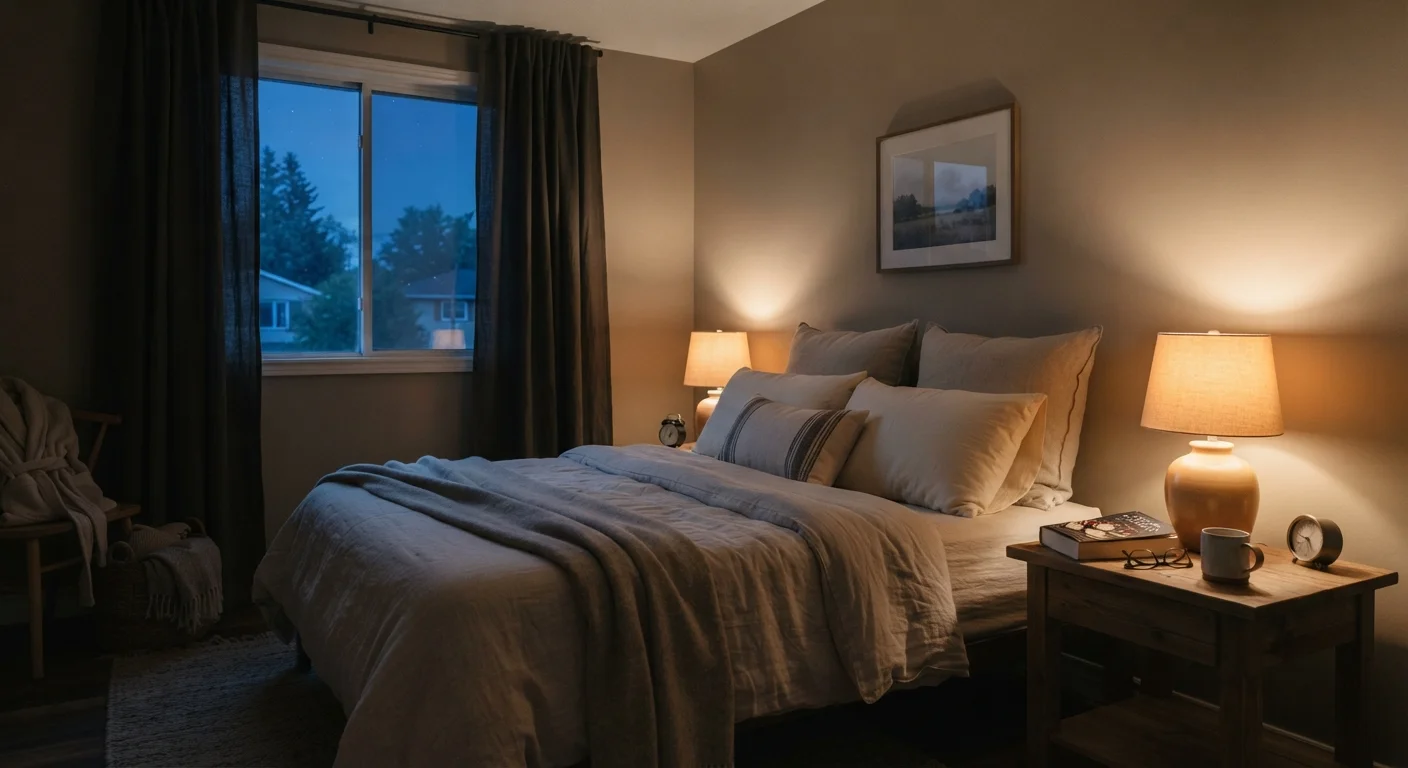
Photo credit: Wiseturt.com | Blogs Curated For You
In this article
Sleep hygiene is often oversimplified. This guide covers what research most consistently supports for getting more restorative rest.
Key Takeaways
- Consistent sleep and wake times are among the most evidence-supported ways to improve sleep quality.
- Light exposure - both getting it in the morning and limiting it at night - plays a key role in regulating your body clock.
- Caffeine and alcohol affect sleep architecture more than most people realize, even when consumed hours earlier.
- A cooling bedroom temperature and reduced noise or light are practical, low-effort improvements with real impact.
- You don't need to change everything at once - adopting one or two habits consistently outperforms overhauling your entire routine.
Why Sleep Advice So Often Falls Flat
Most sleep advice follows a familiar pattern: a long checklist of behaviors, most of which feel impractical for anyone with a job, family, or irregular schedule. The result is that people either attempt everything at once and burn out, or dismiss sleep hygiene altogether as unworkable.
The research paints a more useful picture. A handful of specific behaviors have strong, consistent evidence behind them. Others are helpful for some people but not others. Understanding the difference makes it much easier to build habits that actually stick - without overhauling your entire life. For a broader look at how sleep connects to stress, movement, and nutrition, see how the four pillars of wellness interact.
The Practices That Research Most Consistently Supports
These six approaches appear repeatedly in peer-reviewed sleep research as having meaningful, reliable effects on sleep quality for healthy adults. None require a dramatic lifestyle change.
Anchor your schedule with a fixed wake time - even on weekends
Your circadian rhythm is highly sensitive to the timing of light and wakefulness. Irregular wake times shift your internal clock, making it harder to fall asleep at a consistent hour. Research from sleep medicine consistently identifies a stable wake time as one of the most effective single behaviors for improving sleep quality and reducing daytime fatigue.
Get bright light exposure within an hour of waking
Morning light is the primary signal that resets your circadian clock each day. Exposure to bright, preferably natural light early in the morning suppresses residual melatonin and helps anchor your sleep-wake cycle to a predictable schedule. Even on overcast days, outdoor light typically exceeds most indoor environments.
Dim screens and overhead lights in the two hours before bed
Blue-wavelength light from screens and bright overhead fixtures suppresses melatonin production at night, delaying the physiological signal that it's time to sleep. Reducing light intensity in the evening - rather than eliminating it entirely - can meaningfully shift this effect without requiring strict screen curfews.
Stop caffeine intake by early-to-mid afternoon
Caffeine's half-life in the body averages around five to six hours, meaning a coffee consumed at 3 p.m. may still have half its stimulating effect present at 8 or 9 p.m. Research shows that even caffeine consumed six hours before bedtime can reduce total sleep time by an hour, often without the person noticing.
Keep your bedroom cool - typically in the mid-60s°F range
Core body temperature naturally drops as you approach sleep, and a cooler environment supports that process. Research suggests a bedroom temperature in the range of 65-68°F is associated with faster sleep onset and fewer nighttime awakenings for most adults, though individual comfort varies.
Use your bed primarily for sleep, not work or extended screen time
Spending prolonged time in bed while awake - watching content, working, or scrolling - weakens the mental association between your bed and sleep. This association, sometimes described as stimulus control in behavioral sleep medicine, is a cornerstone of cognitive behavioral therapy for insomnia (CBT-I) and has strong evidence behind it.
If you're wondering where to start, small habits with outsized impact offers a helpful framework for prioritizing low-effort changes.
Quick Wins You Can Try Tonight
You don't need to implement every recommendation at once. In fact, research on habit formation consistently shows that starting with one or two changes increases the likelihood of long-term adherence. The following actions are immediately actionable and require minimal preparation.
For more on why attempting too much at once can backfire, see where people go wrong when building healthier habits.
What the Evidence Says About Common Sleep Myths
When Sleep Problems May Signal Something More
Persistent difficulty falling or staying asleep, excessive daytime sleepiness, or loud snoring that disrupts others can sometimes indicate an underlying condition such as insomnia disorder or obstructive sleep apnea. These conditions have well-established treatments but require professional evaluation. If lifestyle adjustments haven't improved your sleep after several consistent weeks, or if your symptoms are significantly affecting daily functioning, a healthcare provider can help identify whether further assessment is warranted.
One persistent myth is that you can meaningfully "catch up" on lost sleep over the weekend. While some research suggests partial recovery is possible, the cognitive and metabolic effects of chronic sleep restriction don't fully reverse with a weekend of longer sleep. Consistency across the week matters more than compensating after the fact.
Another common misconception is that alcohol helps you sleep. While alcohol can speed the onset of sleep, it disrupts the later stages of the sleep cycle - particularly REM sleep - leading to lighter, more fragmented rest in the second half of the night. This is a well-documented effect across multiple controlled studies.
“Sleep is not a luxury or an indulgence. It is a non-negotiable biological necessity, and the consequences of shortchanging it affect every system in the body.”
— Matthew Walker, Professor of Neuroscience and Psychology, University of California, Berkeley; author on sleep science
To assess how your current sleep patterns compare to your other wellness habits, the weekly wellness self-check can help you identify where to focus.
This article is for general informational and educational purposes only and is not a substitute for professional medical advice. If you have concerns about your sleep or a suspected sleep disorder, please consult a qualified healthcare provider.

Author
Health & Nutrition Editorial Team
Health & Nutrition Editorial Team is the collective byline for our editorial team and contributor network. Articles published under this byline or an editorial pen name are researched, written, and reviewed according to our editorial standards for clarity, consistency, and independence before publication.
View all articles →