
Building a Balanced Plate: Practical Proportions for Everyday Meals
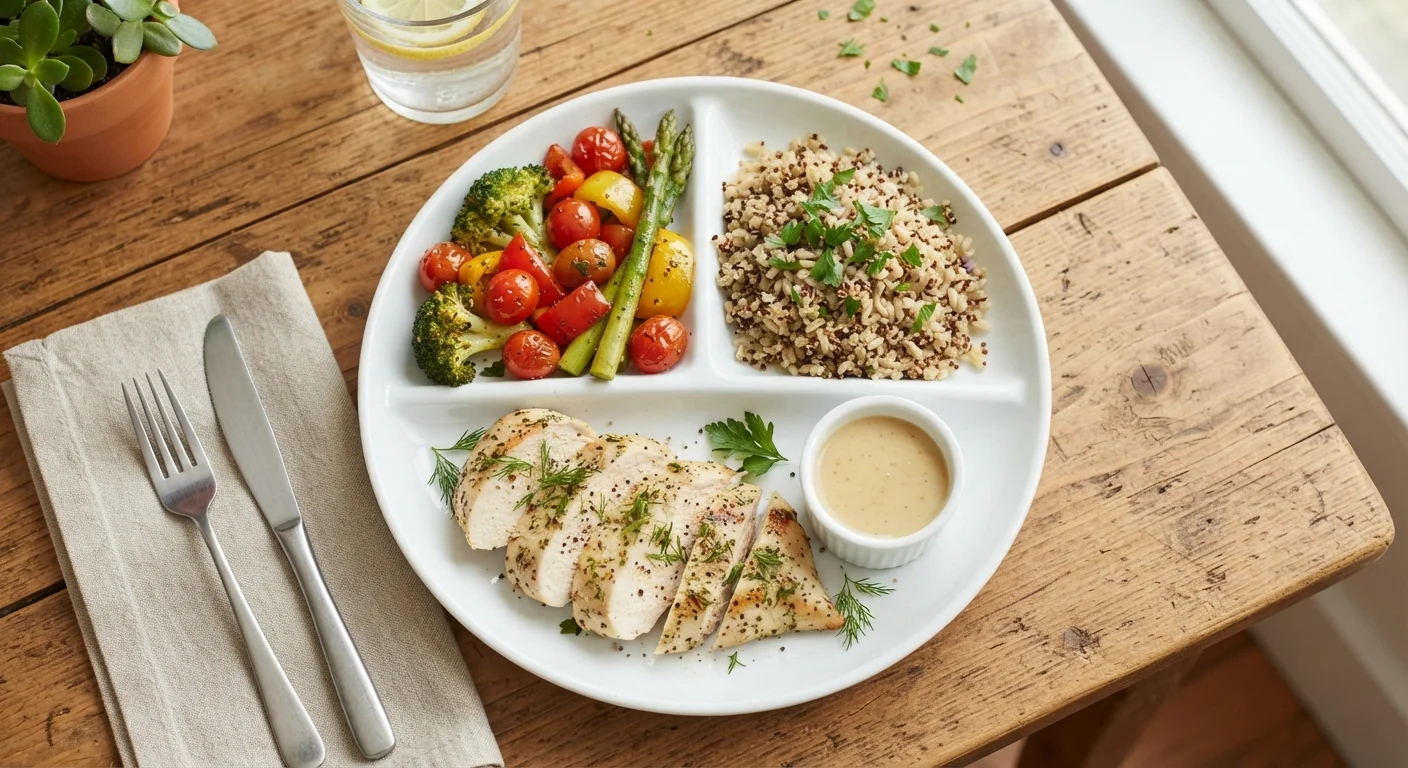
Photo credit: Wiseturt.com | Blogs Curated For You
In this article
Discover simple visual frameworks for portioning vegetables, protein, and grains that don't require counting calories or complicated math.
Key Takeaways
- Half your plate should be non-starchy vegetables at most meals for optimal nutrient density.
- A quarter plate of quality protein and a quarter of whole grains covers most macronutrient needs.
- Visual hand-based portion guides work without measuring cups or calorie-tracking apps.
- Consistent plate proportions across meals matter more than perfection at a single sitting.
- Plant-based proteins can fill the protein quarter just as effectively as animal sources.
Why a Plate-Based Approach Works for Most People
Counting calories or tracking macros precisely can be useful in certain clinical contexts, but for most everyday consumers, it introduces complexity that makes healthy eating feel burdensome. A plate-based visual framework sidesteps that friction by turning proportion into something you can see at a glance.
The concept is supported by federal nutrition guidance - the USDA's MyPlate model, introduced in 2011, uses exactly this structure - and is echoed by nutrition researchers at institutions like the Harvard T.H. Chan School of Public Health. The core insight is the same across models: structuring a meal around a large base of vegetables, a meaningful amount of protein, and a moderate portion of quality carbohydrates covers the broad nutritional territory most people need without obsessive tracking.
It's also adaptable. The same framework works whether you're assembling a stir-fry, a grain bowl, a wrap, or a traditional plate dinner. Understanding how to read a Nutrition Facts label can complement this approach when you're evaluating packaged ingredients, but the plate method itself requires no math.
What you will need
Putting It Into Practice Across Different Meals
The five steps above describe an ideal template, but real meals don't always look like a divided plate. Here's how to apply the same proportional logic to common formats:
- Grain bowls: Start with a base layer of greens or roasted vegetables (the 50%), add a scoop of cooked grain (25%), and top with your protein (25%).
- Wraps and sandwiches: Load with as many vegetables as the wrap allows, choose a whole-grain wrap or bread, and keep the protein filling moderate rather than stacked.
- Soups and stews: Aim for a broth or vegetable-heavy base with protein and grains as secondary ingredients rather than the main bulk.
- Restaurant meals: Many restaurant portions significantly exceed standard serving sizes. Consider splitting a plate or setting aside a portion before eating. Our coverage on portion distortion explains why this matters more than most people realize.
Stocking your kitchen with the right building blocks makes this significantly easier. A weekly grocery checklist for nutritional balance can help you consistently have vegetables, proteins, and whole grains on hand without overcomplicating your shopping routine.
Use Your Hand as a Portable Portion Guide
Your palm (without fingers) approximates one serving of protein. A cupped hand estimates a serving of cooked grains. A fist represents roughly one cup of vegetables. Because hand size scales roughly with body size, this method is naturally personalized and always with you.
Plate Models Are a Starting Point, Not a Rule
Visual portion frameworks are practical tools, not rigid prescriptions. Factors like physical activity, age, pregnancy, and underlying health conditions all influence how much and what kinds of food your body needs. If you find yourself feeling consistently fatigued, hungry, or unwell after adjusting your meals, speak with a healthcare professional.
This Is General Nutrition Education
The guidance in this article reflects general, evidence-informed nutrition principles and is not personalized medical or dietary advice. Individual needs vary based on health status, age, activity level, and medical history. Always consult a registered dietitian or your healthcare provider before making significant changes to your diet, especially if you have a chronic condition, are pregnant, or are managing a specific health concern.
This article is for general informational and educational purposes only and is not a substitute for professional medical or dietary advice. Consult a qualified healthcare provider or registered dietitian before making significant changes to your diet.

Author
Health & Nutrition Editorial Team
Health & Nutrition Editorial Team is the collective byline for our editorial team and contributor network. Articles published under this byline or an editorial pen name are researched, written, and reviewed according to our editorial standards for clarity, consistency, and independence before publication.
View all articles →