
Car Batteries: Lifespan, Failure Signs, and Safe Replacement
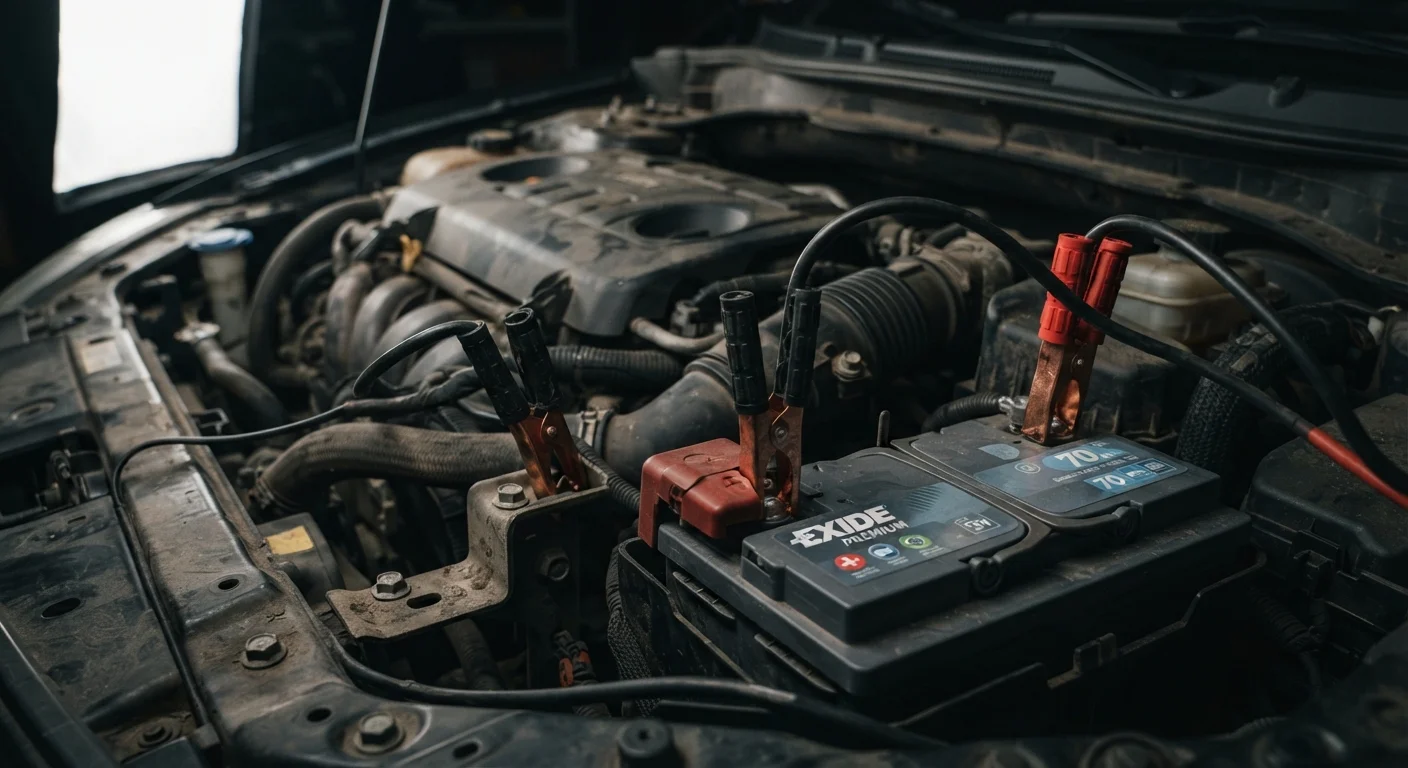
Photo credit: Wiseturt.com | Blogs Curated For You
In this article
Understand how long car batteries typically last, what causes early failure, and how replacement is safely carried out.
Key Takeaways
- Most car batteries last between 3 and 5 years under normal driving conditions.
- Extreme temperatures - hot and cold - are the leading cause of early battery failure.
- Slow engine cranking, dashboard warning lights, and dim headlights are common failure signals.
- Battery replacement is one of the simpler DIY tasks, but requires specific safety steps.
- A battery test at an auto parts store or shop can confirm whether replacement is needed.
How Long Do Car Batteries Actually Last?
The typical car battery lasts 3 to 5 years, though some reach 6 or 7 years in favorable conditions. That range isn't an arbitrary estimate - it reflects how the lead-acid chemistry inside most standard batteries degrades over hundreds of charge and discharge cycles.
A few variables tilt that range one way or the other: climate, driving habits, and how many power-hungry accessories your vehicle runs. Drivers who take frequent short trips (under 20 minutes) are particularly susceptible to early failure, because the alternator - the component that recharges the battery while you drive - never fully tops off the charge. Over months, those partial charges add up to cumulative strain.
3-5 years
Typical car battery lifespan
Industry guidance from automotive maintenance organizations consistently cites this range for standard lead-acid batteries under normal conditions.
~50%
Capacity loss in extreme cold
A fully charged lead-acid battery can lose roughly half its cranking power at 0°F compared to its performance at 80°F, according to battery engineering data.
30-50 lbs
Typical battery weight
Standard 12-volt automotive batteries weigh between 30 and 50 pounds depending on size group and reserve capacity.
If you're keeping a vehicle well past 100,000 miles, the battery deserves closer attention. Our guide to maintaining high-mileage vehicles covers what systems to watch more carefully as mileage climbs.
What Shortens a Battery's Life
Heat is the single biggest enemy of car batteries - a fact that surprises many drivers who assume cold weather is the main culprit. High ambient temperatures accelerate the internal chemical reactions that cause corrosion and fluid evaporation inside the battery. Sustained heat speeds up the breakdown of battery plates, permanently reducing capacity.
Cold weather, by contrast, doesn't destroy batteries so much as expose existing weakness. A battery that has lost 20% of its capacity in summer may struggle to start an engine at 10°F, making winter the season when failures become obvious.
Other common causes of early failure include:
- Parasitic drain - a continuous small draw from a faulty component (a stuck relay, malfunctioning module, or even a dome light left on) depletes the battery while the car sits.
- Infrequent use - vehicles left parked for weeks at a time self-discharge, and repeated deep discharges damage the battery.
- Vibration - a loose battery tray allows the battery to shake, which can crack internal plates over time.
- Overcharging - a failing alternator that delivers excessive voltage will degrade the battery faster than normal use.
Never Ignore a Swollen or Leaking Battery
A battery with a visibly bloated case or any sign of acid leakage is a safety hazard. Battery acid is corrosive and can cause serious skin and eye injury. Do not attempt to charge or test a physically damaged battery. Have the vehicle towed to a shop if you cannot safely handle it yourself.
Seasonal habits play a real role here. For a broader look at how climate affects maintenance, see our article on seasonal car maintenance.
Warning Signs Your Battery Is Failing
Car batteries rarely fail without warning. The signals are often subtle at first, then progressively harder to ignore:
- Slow or labored engine cranking
- The engine turns over sluggishly when you start the car - a sign the battery can't deliver its full current.
- Battery warning light
- This dashboard light signals a problem in the charging system, which includes the battery and alternator.
- Dim headlights or interior lights
- Noticeable dimming, especially at idle, points to a battery that isn't holding a full charge.
- Electrical gremlins
- Intermittent issues with power windows, locks, or infotainment can stem from voltage fluctuations caused by a weak battery.
- Swollen or bloated battery case
- Excessive heat can cause the plastic case to expand. A visibly distorted battery should be replaced promptly.
- Rotten egg smell
- A sulfur-like odor near the battery indicates a possible leak or overcharging - have it inspected immediately.
Mark the date on your battery with a permanent marker when it's installed. Most failures happen after year three, and knowing the age removes guesswork at the first sign of trouble.
Age is the single most reliable predictor of imminent battery failure, yet many drivers have no idea when their current battery was installed.
If your vehicle sits unused for more than two weeks at a stretch, consider using a trickle charger (also called a battery maintainer) to keep the battery at full charge without overcharging it.
Repeated deep discharges from prolonged sitting are a leading cause of premature battery failure in vehicles driven infrequently.
Many auto parts retailers offer free battery testing with a conductance tester, which measures the battery's actual capacity rather than just its current voltage. This is more reliable than a simple voltage reading.
How Battery Replacement Works
Swapping a car battery is one of the more approachable maintenance tasks for drivers comfortable with basic tools - but it must be done in the right order to avoid electrical damage or personal injury.
Here is the general process a qualified mechanic or careful DIYer follows:
- Turn off the engine and remove the key. Make sure all accessories are off.
- Locate the battery - usually in the engine bay, but sometimes in the trunk or under a rear seat on some models.
- Disconnect the negative (-) terminal first, then the positive (+). Reversing this order risks sparking or a short circuit.
- Remove the battery hold-down clamp and lift out the old battery. Note: batteries are heavy - typically 30-50 lbs - handle carefully.
- Clean the terminal connectors with a wire brush if corrosion (white or blue-green residue) is present.
- Install the new battery, secure the hold-down clamp, then reconnect the positive (+) terminal first, followed by the negative (-).
- Check that the battery is seated securely and no tools are left in the engine bay before starting.
Reconnect Terminals in the Right Order
Always disconnect the negative (-) cable first and reconnect it last. This simple rule prevents accidental short circuits that could damage sensitive electronics or cause sparking. If you're unsure about the location of your battery or the correct procedure for your specific vehicle, consult your owner's manual or a qualified mechanic before starting.
For a broader look at which maintenance tasks are genuinely DIY-friendly versus when to hand things off, see our DIY vs. shop comparison.
When to Call a Professional
Battery replacement is straightforward on most vehicles, but a few situations call for professional help:
- Battery in a difficult location - some vehicles (certain BMWs, for example) mount the battery under the rear seat or require partial disassembly. These jobs are best left to a shop.
- Battery registration required - some newer vehicles with advanced battery management systems need the new battery to be electronically registered to the car's computer using a scan tool. Skipping this step can cause charging problems.
- Charging system failure - if your new battery keeps dying, the alternator or voltage regulator may be at fault. This requires diagnostic equipment.
- Hybrid or electric vehicles - the 12-volt auxiliary battery in a hybrid or EV is separate from the high-voltage drive battery, but any work near high-voltage systems should be handled by trained technicians only.
A mechanic can test both the battery and charging system together, which gives a more complete picture than testing either alone. This is worth doing any time you're unsure whether the battery, alternator, or both need attention.
Battery health is just one piece of a well-maintained vehicle. New drivers in particular benefit from understanding how it fits into the full maintenance picture - our guide for new drivers covers the essential services and schedules to get familiar with early.
This article is for general informational purposes only. Always consult a qualified mechanic for diagnosis and repairs specific to your vehicle.

Author
Auto Editorial Team
Auto Editorial Team is the collective byline for our editorial team and contributor network. Articles published under this byline or an editorial pen name are researched, written, and reviewed according to our editorial standards for clarity, consistency, and independence before publication.
View all articles →