
Eating Well on a Budget: Nutrition Principles That Don't Require Premium Prices
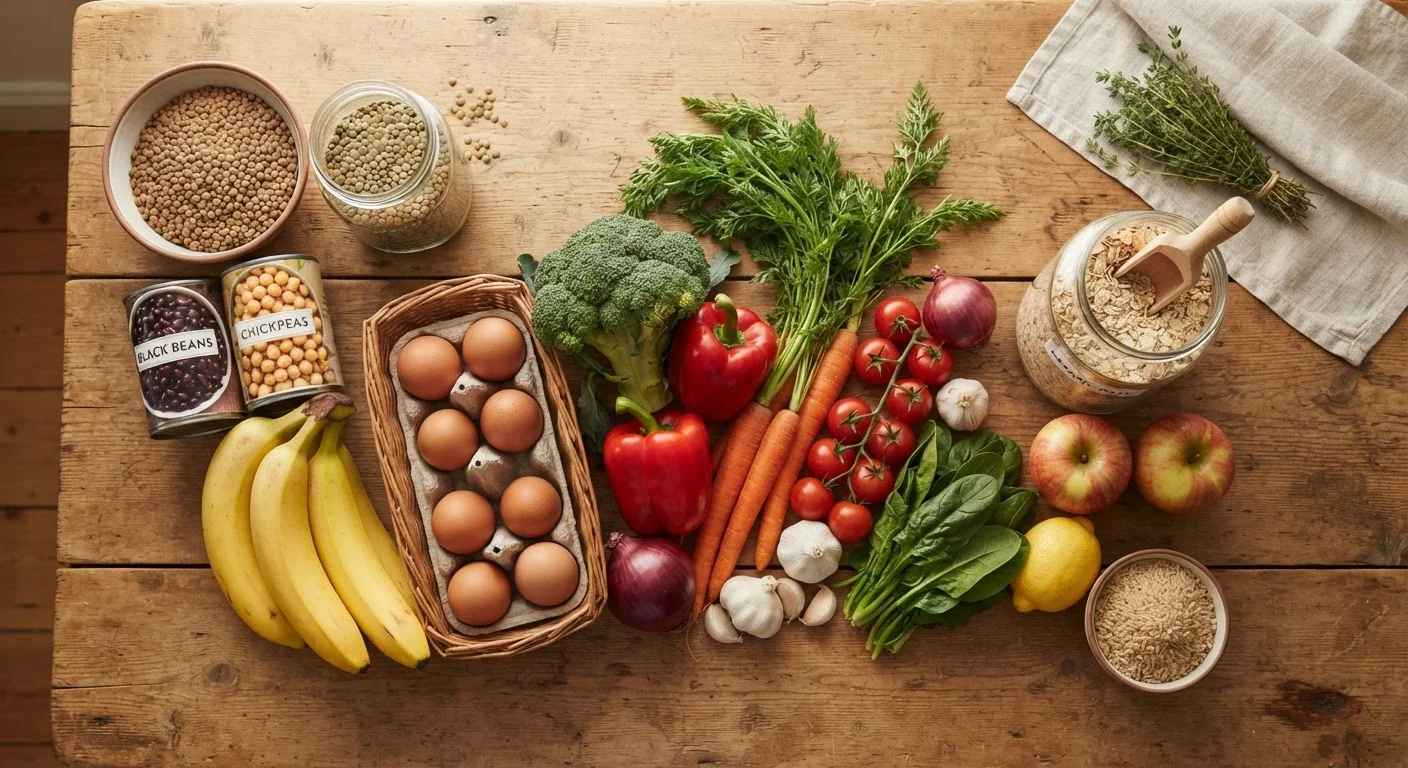
Photo credit: Wiseturt.com | Blogs Curated For You
In this article
Nutritious eating doesn't have to be expensive. These evidence-informed approaches help everyday consumers eat well without overspending.
Key Takeaways
- Whole grains, legumes, and frozen vegetables deliver strong nutrition at low cost per serving.
- Protein needs can be met with affordable sources like eggs, canned fish, and dried beans.
- Meal planning reduces waste and helps stretch a grocery budget significantly further.
- Store-brand and frozen options are nutritionally comparable to their premium counterparts.
- Cooking from scratch - even simple meals - is consistently more nutritious and cost-effective than convenience food.
Why Nutritious Eating Doesn't Have to Be Expensive
A widespread assumption holds that eating healthfully is a luxury - reserved for people with time, access, and disposable income. The evidence doesn't support this. Many of the most nutrient-dense foods available in US grocery stores are also among the most affordable, particularly when you understand a few foundational nutrition principles.
The confusion often arises from conflating marketing with nutrition. Premium packaging, health claims on labels, and trendy superfoods command higher prices, but they rarely outperform staple foods nutritionally. Understanding what your body actually needs - and where those nutrients reliably come from - is the first step toward eating well on any budget. For a helpful reality check on common food myths, see nutrition myths the evidence has debunked.
This article provides general nutrition information and education, not personalized medical or dietary advice. Consult a qualified healthcare professional for guidance specific to your health needs.
Core Practices for Budget-Friendly Nutrition
The following evidence-informed practices form a practical framework for getting strong nutritional value without overspending at the grocery store.
Build meals around legumes and whole grains as your primary base.
Dried or canned beans, lentils, chickpeas, oats, and brown rice are among the most cost-effective sources of protein, fiber, and complex carbohydrates available. These foods have consistently strong nutritional profiles and a very low cost per serving - often under $0.50. Making them the foundation of meals, rather than a side dish, dramatically improves nutritional density without increasing spend.
Choose frozen vegetables and fruit instead of fresh when fresh is out of season or budget.
Frozen produce is harvested and flash-frozen at peak ripeness, which preserves most vitamins and minerals. Research consistently shows frozen vegetables are nutritionally comparable to fresh - and often superior to fresh produce that has traveled long distances and sat on shelves. Frozen options also reduce food waste, which is a significant hidden cost for many households.
Use eggs and canned fish as affordable, complete protein sources.
Eggs provide all essential amino acids along with choline, B vitamins, and healthy fats at a very low cost per serving. Canned fish - particularly tuna, sardines, and salmon - offer omega-3 fatty acids and high-quality protein at prices well below fresh fish. Both are shelf-stable or long-lasting and require minimal preparation.
Plan meals before shopping, then buy only what the plan requires.
Meal planning directly reduces impulse buying and food waste - two of the biggest drivers of unnecessary grocery spending. When you know what meals you're preparing, you buy specific quantities with a purpose, which means less food spoils and more of your budget goes toward actual nutrition. Even planning three to four dinners ahead makes a measurable difference.
Choose store-brand staples over name-brand equivalents for packaged goods.
Store-brand canned beans, oats, pasta, frozen vegetables, and other staples are generally produced to the same food safety and nutritional standards as name-brand versions. The difference is almost entirely in marketing cost, not food quality. For commodity items like canned tomatoes or rolled oats, there is rarely a meaningful nutritional distinction.
Cook from scratch using simple, repeatable recipes rather than relying on convenience foods.
Convenience foods - pre-packaged meals, frozen entrees, and fast food - are almost always more expensive per serving than home-cooked equivalents, and they frequently contain higher levels of sodium, added sugar, and saturated fat. Even basic scratch cooking using a handful of ingredients consistently outperforms convenience options on both nutrition and cost.
If you're just starting to pay closer attention to your eating habits, this no-pressure introduction to intentional eating offers a useful foundation.
Making It Work Week to Week
Knowing the principles is one thing - applying them consistently across a busy week is another. A few structural habits make the difference between a single good shopping trip and a sustainable pattern.
~$0.13
Average cost per serving of dried lentils
USDA food cost data consistently shows dried legumes among the lowest cost-per-serving protein sources available in US grocery stores.
30-40%
Estimated household food wasted annually
According to USDA estimates, American households waste roughly 30-40% of the food supply, much of it attributable to unplanned purchasing and poor storage habits.
For a structured approach to grocery shopping that covers all key food groups without overcomplicating your routine, the weekly grocery shopping checklist is a practical companion. And if you want to sharpen your overall spending discipline at the store, these grocery budget principles translate well alongside a nutrition-focused approach.
For readers exploring plant-based options, plant-based protein sources and their nutritional profiles shows how foods like lentils and edamame compare nutritionally - and most are highly affordable.

Author
Health & Nutrition Editorial Team
Health & Nutrition Editorial Team is the collective byline for our editorial team and contributor network. Articles published under this byline or an editorial pen name are researched, written, and reviewed according to our editorial standards for clarity, consistency, and independence before publication.
View all articles →