
Brake Pads, Rotors, and Calipers: How Your Braking System Actually Works
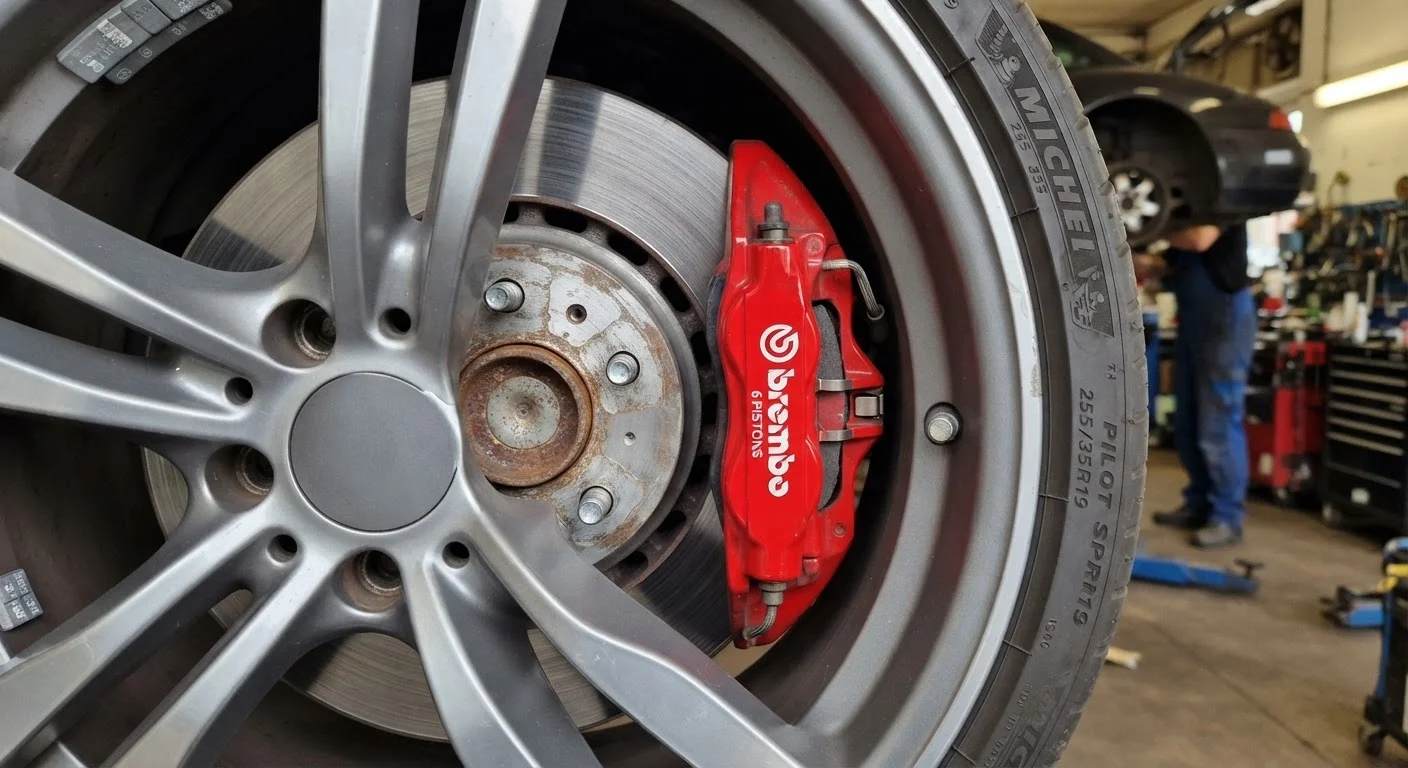
Photo credit: Wiseturt.com | Blogs Curated For You
In this article
A plain-language breakdown of your car's braking components, how they interact, and the signs that service is overdue.
Key Takeaways
- Brake pads, rotors, and calipers each play a distinct role - a problem with any one affects the whole system.
- Most brake pads include a wear indicator that produces a squealing noise when replacement is due.
- Rotors can warp from heat cycles, causing a pulsating or vibrating sensation when braking.
- Brake fluid should be checked regularly - old or contaminated fluid reduces braking effectiveness.
- Braking repairs are safety-critical; consult a qualified mechanic if you're unsure about the condition of any component.
The Three Core Components and What Each One Does
Your braking system has three components that work together every time you press the pedal: brake pads, rotors, and calipers. Knowing what each one does makes it much easier to understand what's happening when something feels or sounds off.
Brake Pads
Brake pads are friction material bonded to a metal backing plate. They're the consumable part of the system - designed to wear down gradually so the rotor doesn't. Pad material varies: organic compounds run quietly and are gentle on rotors, semi-metallic pads handle heat well and suit performance driving, and ceramic pads tend to produce less dust and noise. Each has trade-offs in longevity and stopping power.
Rotors
The rotor (also called a disc) is the large metal disc attached to your wheel hub that spins with your wheel. When the caliper squeezes the pads against the rotor's flat faces, friction slows the wheel. Rotors have a minimum thickness specification; once they're machined or worn below that threshold, they need replacement because they can't safely dissipate heat.
Calipers
The caliper is the hydraulic clamp that holds the brake pads and forces them into the rotor. When you press the pedal, brake fluid pressure pushes pistons inside the caliper outward, pressing the pads against both sides of the rotor. When you release the pedal, the pistons retract and the pads lift away. A caliper that sticks or seizes can keep a pad pressed against the rotor even when you're not braking - causing heat, uneven wear, and a pulling sensation.
Check Your Owner's Manual for Specifications
Brake service intervals and component specifications vary by vehicle make, model, and driving conditions. Your owner's manual contains the manufacturer's recommended inspection intervals and is the most reliable starting point. For help finding and reading that section, see Reading Your Owner's Manual.
Warning Signs That Service Is Overdue
Your car usually gives clear signals before a brake component fails completely. Learning to recognize them early can prevent a minor repair from becoming a major one.
- Persistent squealing or squeaking: The most common signal is the wear indicator - a small metal tab that contacts the rotor when pad material runs low. One or two squeals in cold or wet weather are normal; consistent noise is not.
- Grinding noise: If squealing goes unaddressed, pads can wear through entirely. Metal-on-metal contact produces a grinding sound and damages the rotor surface quickly.
- Pedal pulsation or vibration: A pulsating feeling through the brake pedal typically points to a warped rotor. Heat cycling - especially during aggressive or repeated hard stops - can cause the rotor to develop slight thickness variations that you feel as a rhythmic pulse.
- Pulling to one side: If the car drifts left or right during braking, one caliper may be applying more force than the other, or a caliper on one side is sticking.
- Soft or spongy pedal: A pedal that travels unusually far before the brakes engage suggests air in the brake lines or degraded brake fluid - both reduce hydraulic pressure and require prompt attention.
- Visible wear through the wheel: On many vehicles, you can look through the wheel spokes at the rotor and pad. If the pad material appears thin - generally less than a quarter inch - have it inspected.
25,000-65,000 mi
Typical brake pad lifespan range
The National Highway Traffic Safety Administration notes that driving habits, vehicle weight, and pad material all significantly affect wear rate.
~1 in 5
Vehicles found with brake deficiencies during inspections
Industry inspection data from the Car Care Council has consistently found that a significant share of vehicles on the road have brakes in need of attention.
For a broader look at vehicle health checks beyond the braking system, the Annual Vehicle Check-Up guide walks through key systems in a structured, easy-to-follow format.
Maintenance Basics and When to Call a Mechanic
Brake maintenance isn't something most drivers need to handle themselves - and for good reason. Working on brakes involves hydraulic systems, torque specifications, and safety margins that require proper tools and training. That said, being an informed car owner means knowing what questions to ask and what to expect.
Brake Fluid Has a Service Life Too
Brake fluid is hygroscopic - it absorbs moisture from the air over time. As water content increases, the fluid's boiling point drops, which can lead to reduced braking performance under hard use. Many manufacturers recommend replacing brake fluid every two to three years regardless of mileage, though your owner's manual will specify the interval for your vehicle.
What you can reasonably monitor yourself: Check brake fluid level at the reservoir under the hood periodically. Listen for unusual noises after wet weather (normal) versus persistent sounds (not normal). Pay attention to how the pedal feels - any sudden change in firmness, travel distance, or response is worth investigating.
What belongs with a qualified mechanic: Measuring rotor thickness, inspecting caliper piston seals, bleeding brake lines, and replacing any component in the hydraulic circuit are jobs that carry real safety consequences if done incorrectly. Brake work is not the category to experiment with.
If you're thinking about which maintenance tasks are reasonable to handle on your own versus which genuinely require a shop, see DIY Maintenance vs. Taking Your Car to a Shop for a balanced breakdown. And if your vehicle's service schedule feels like a mystery, Reading Your Owner's Manual: The Maintenance Schedule Section Explained can help you decode what your manufacturer actually recommends and when.
This article is for general informational purposes only and does not constitute professional mechanical advice. For concerns about your vehicle's braking system, consult a qualified mechanic. Brake components are safety-critical - never delay inspection if you notice changes in braking performance.
Frequently Asked Questions

Author
Auto Editorial Team
Auto Editorial Team is the collective byline for our editorial team and contributor network. Articles published under this byline or an editorial pen name are researched, written, and reviewed according to our editorial standards for clarity, consistency, and independence before publication.
View all articles →