
Landlord and Tenant Basics: Rights, Responsibilities, and What Leases Should Spell Out
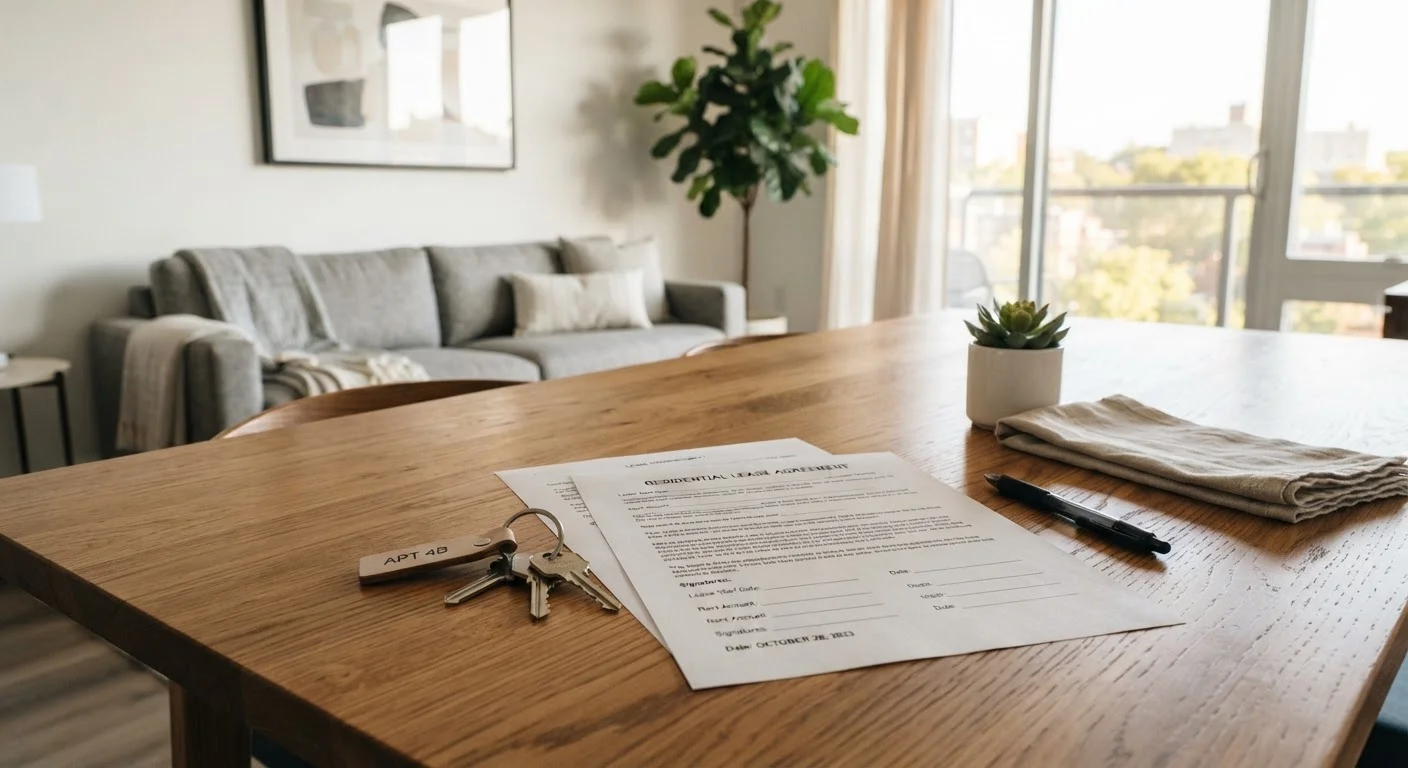
Photo credit: Wiseturt.com | Blogs Curated For You
In this article
Whether you're renting or leasing out, knowing the fundamentals of the landlord-tenant relationship helps prevent disputes before they start.
What Every Lease Should Include
A lease is not just a formality - it is your primary protection if something goes wrong. Whether you are renting an apartment for the first time or leasing out a property you own, the written agreement establishes expectations that courts will refer to in any dispute.
At a minimum, a sound lease should clearly state:
- Full names of all tenants and the landlord (or property management company)
- Property address and the specific unit being rented
- Rent amount, due date, and accepted payment methods
- Lease duration - fixed-term (e.g., 12 months) or month-to-month
- Security deposit amount and the conditions under which it may be withheld
- Rules on guests, pets, subletting, and alterations
- Maintenance responsibilities - who handles what, and how to report issues
- Entry notice requirements for the landlord
Missing clauses create ambiguity. If the lease does not address a situation, state law usually fills the gap - which may not reflect what either party intended. For a broader foundation in property terminology, see our plain-language real estate glossary.
Security Deposit
A sum of money paid by the tenant before move-in, held by the landlord to cover unpaid rent or damage beyond normal wear and tear. State laws govern maximum amounts and the timeline for return.
Habitability
A legal standard requiring landlords to maintain rental units in a condition fit for human occupation - including functioning heat, plumbing, and freedom from significant pest infestations.
Lease Agreement
A legally binding contract between a landlord and tenant that sets the terms of a rental arrangement, including rent amount, duration, rules, and each party's obligations.
Constructive Eviction
A situation where a landlord's failure to maintain habitable conditions effectively forces a tenant to vacate, even without a formal eviction notice. Courts may recognize this as grounds for ending a lease without penalty.
Notice to Quit
A formal written notice from a landlord requiring a tenant to either remedy a lease violation or vacate the property within a specified number of days.
Holdover Tenant
A tenant who continues to occupy a rental unit after the lease term has ended without renewing the agreement. Landlords may convert the arrangement to a month-to-month tenancy or pursue eviction, depending on state law.
Normal Wear and Tear
The gradual deterioration expected from ordinary everyday use of a rental property - such as minor scuffs on walls or carpet fading - as opposed to damage caused by tenant negligence.
Right of Entry
A landlord's legal right to enter the rental unit, typically requiring advance written notice (commonly 24-48 hours) except in genuine emergencies.
Core Rights and Responsibilities for Both Parties
Both landlords and tenants carry legal obligations that exist independently of what a lease says - rooted in state law and, in some cases, federal fair housing protections.
| Typical Security Deposit Limit | 1-2 months' rent (varies by state) (State landlord-tenant statutes) |
| Common Landlord Notice Period for Entry | 24-48 hours written notice (Most U.S. state laws) |
| Security Deposit Return Window | 14-30 days after move-out (state-specific) (State landlord-tenant statutes) |
| Federal Fair Housing Act Coverage | Prohibits discrimination based on race, color, religion, sex, national origin, disability, familial status (U.S. Department of Housing and Urban Development (HUD)) |
| Minimum Lease Content Required | Names, address, rent amount, duration, and key rules (General legal best practice; specifics vary by state) |
Landlord Obligations
- Maintain the unit in a habitable condition - functional heat, plumbing, and structural safety
- Make repairs within a reasonable timeframe after receiving written notice
- Provide adequate notice before entering the unit (typically 24-48 hours)
- Return the security deposit with an itemized written statement within the state-mandated window
- Not discriminate on the basis of protected characteristics under the federal Fair Housing Act
Tenant Obligations
- Pay rent on time and in full, as specified in the lease
- Keep the unit reasonably clean and avoid damage beyond normal wear and tear
- Report maintenance issues promptly and in writing
- Follow all lease terms, including rules on guests, noise, and alterations
- Provide proper written notice before vacating, as required by the lease or state law
Laws Vary Significantly by State and City
Landlord-tenant law is not uniform across the United States. Rent control, eviction protections, habitability standards, and notice requirements differ substantially by state, county, and municipality. Always verify the rules that apply in your specific location through your state's official housing agency or a licensed attorney before making legal decisions.
If you are weighing whether to rent at all, our guide to renting vs. buying can help you think through the financial and lifestyle trade-offs.
Security Deposits and Move-Out Disputes
Security deposits are among the most common sources of landlord-tenant conflict. Understanding the rules in advance reduces the chance of a dispute.
44M+
Renter households in the U.S.
According to U.S. Census Bureau American Community Survey data, over 44 million households rent their primary residence.
~50%
Security deposit disputes resolved in tenant favor
Studies by tenant advocacy organizations suggest roughly half of security deposit disputes that reach small claims court are resolved in the tenant's favor.
To protect your deposit as a tenant: document the unit's condition thoroughly at move-in and move-out with dated photographs. Submit a forwarding address in writing when you leave. If deductions seem improper, request an itemized list - most states require landlords to provide one.
As a landlord: keep all deposit funds in a separate account as required by your state, provide itemized deductions within the legal window, and distinguish clearly between damage and normal wear and tear. Disputes over the latter are often settled in small claims court, and vague documentation works against the landlord.
For context on how lease-based financial obligations compare across other major decisions, the insurance basics hub covers how renters insurance fits into tenant financial planning.

Author
Home & Appliances Editorial Team
Home & Appliances Editorial Team is the collective byline for our editorial team and contributor network. Articles published under this byline or an editorial pen name are researched, written, and reviewed according to our editorial standards for clarity, consistency, and independence before publication.
View all articles →