
The Complete Picture of Personal Budgeting: From First Dollar to Long-Term Habit
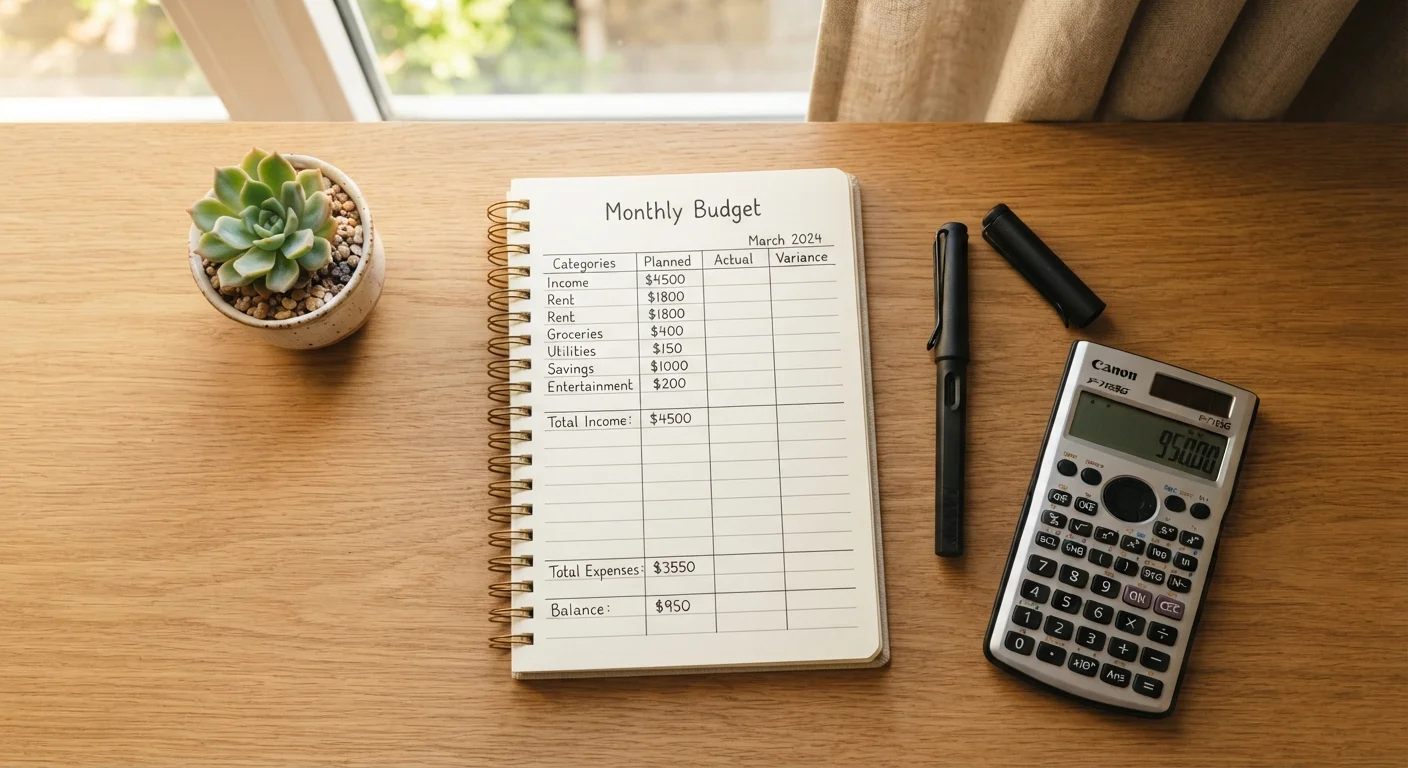
Photo credit: Wiseturt.com | Blogs Curated For You
In this article
A thorough, end-to-end resource covering budgeting fundamentals, popular methods, saving strategies, and how to sustain good habits over time.
Key Takeaways
- A budget is a spending plan - not a punishment - that aligns your money with your priorities.
- Understanding your net income and fixed versus variable expenses is the essential first step.
- Multiple budgeting methods exist; the best one is the one you'll actually stick to.
- Savings goals should be part of your budget from day one, not an afterthought.
- Regular monthly reviews are the single most effective habit for keeping a budget on track.
- Budgeting is a foundation for investing - getting spending under control opens the door to wealth-building.
Why Budgeting Matters - and What It Actually Is
A budget is simply a written plan for how you intend to use your money over a set period - typically a month. That's it. Despite the word carrying connotations of restriction, a budget is fundamentally an act of intention: you decide where your dollars go rather than wondering where they went.
Without a plan, spending decisions are made one at a time, often under impulse or habit. Research from the Consumer Financial Protection Bureau consistently shows that households with a written spending plan report higher confidence in their financial situation and are better prepared for unexpected costs. That confidence matters, because financial stress is one of the most commonly cited sources of anxiety for American adults.
Budgeting also creates the preconditions for everything else in personal finance. You can't build an emergency fund, pay down debt strategically, or begin investing for the future if you don't first know what margin exists in your cash flow. Think of a budget as the foundation the rest of your financial life is built on.
Start With One Month of Tracking First
Before building a budget, spend 30 days simply recording every dollar you spend without changing your behavior. This baseline reveals your actual spending patterns rather than assumptions - and makes your first real budget far more realistic and sustainable.
Core Budgeting Concepts You Need to Know
Before choosing a budgeting method, it helps to understand the vocabulary. A full reference is available in our plain-language budgeting glossary, but here are the concepts that matter most when starting out.
- Net income: The money that actually lands in your bank account after taxes and deductions. Always budget from net income - not gross.
- Fixed expenses: Costs that stay the same every month - rent, car loan payments, insurance premiums.
- Variable expenses: Costs that fluctuate - groceries, utilities, gas, dining out.
- Discretionary spending: Non-essential purchases you choose - entertainment, subscriptions, clothing beyond basics.
- Emergency fund: A liquid cash reserve (typically three to six months of essential expenses) held for unexpected costs, not investment.
Understanding the difference between fixed and variable costs is critical because it shows you where flexibility actually exists. Fixed costs are largely locked in the short term; variable and discretionary costs are where most budget adjustments happen.
~33%
US adults without a monthly budget
Surveys by the National Foundation for Credit Counseling have consistently found that roughly one in three American adults does not maintain a monthly household budget.
$1,400
Average monthly discretionary spending per household
According to Bureau of Labor Statistics Consumer Expenditure data, US households allocate a substantial share of spending to discretionary categories where budget controls have the most impact.
3-6 months
Recommended emergency fund coverage
This widely cited benchmark from financial planning organizations represents essential living expenses - not total income - held in a liquid, accessible account.
Popular Budgeting Methods Explained
There is no single correct way to budget. The method that works best is the one that fits your lifestyle and that you can sustain. Here are the most widely used frameworks.
The 50/30/20 Rule
Allocate 50% of net income to needs, 30% to wants, and 20% to savings and debt repayment. This proportional approach is easy to understand and flexible enough for most incomes. It's a strong starting point for anyone who has never budgeted before - see our guide to building a household budget from scratch for a step-by-step walkthrough.
Zero-Based Budgeting
Every dollar of income is assigned a job until you reach zero - meaning income minus all allocations (including savings) equals zero. This method demands more effort but gives you granular control, making it particularly useful for people working to pay down significant debt.
The Envelope (or Cash Stuffing) Method
Physical cash or digital equivalents are divided into spending categories at the start of each month. When the envelope is empty, spending in that category stops. This tactile approach has shown effectiveness for curbing overspending in discretionary categories.
Pay-Yourself-First Budgeting
Savings are transferred out automatically at the start of the month before any other spending decisions are made. The remaining balance is then available for expenses. This method makes saving the default rather than an afterthought.
When comparing budgeting methods, try one for a full 60 days before deciding it doesn't work. Most people judge a system after a single rough month rather than giving their behavior time to adjust.
Behavioral research shows that habit formation typically requires several weeks of consistent repetition; abandoning a system after one difficult month denies it a fair trial.
If zero-based budgeting feels overwhelming, start by just assigning your savings and fixed expenses first. Let variable and discretionary spending fill the remainder - then track it. You can tighten controls once the habit is established.
Reducing the initial cognitive load of a new budgeting system increases the likelihood of sustained adoption, particularly in the first 90 days.
Building Saving Goals Into Your Budget
Savings should appear as a budget line item from month one - not as whatever is left over at the end of the month. That distinction changes outcomes significantly. If saving is residual, it competes with every other spending impulse; if it's planned, it's protected.
Structure your savings goals in layers:
- Emergency fund first. Until you have at least one month of essential expenses saved in a liquid account, this is your top financial priority.
- Short-term goals. Car maintenance, a planned vacation, or an irregular but predictable cost (like annual insurance). Set aside a fixed monthly amount toward each.
- Medium and long-term goals. Down payments, education, retirement contributions. Once an emergency fund is established, these deserve consistent, automated contributions.
Automating transfers on payday removes the decision from the equation. You don't need willpower if the money moves before you see it. Many employers also allow you to split direct deposits between accounts, which makes pay-yourself-first budgeting straightforward to implement.
Once your budget generates consistent surplus, that surplus becomes the entry point to wealth-building. Our overview of personal investing from the ground up covers what comes next once your savings foundation is in place.
Build Your Emergency Fund Before Investing
Without a liquid cash reserve, any unexpected expense - a medical bill, car repair, or job disruption - can force you to take on high-interest debt or liquidate investments at an inopportune time. Financial guidance widely suggests establishing at least one to three months of essential expenses in a readily accessible account before directing surplus income toward market investments. This isn't a rule with guaranteed outcomes, but it reflects a widely accepted risk management principle.
Sustaining Good Habits Over Time
Most people who abandon a budget don't fail because the method was wrong - they fail because they never built in a review process. A budget is a living document, not a one-time exercise.
Schedule a Monthly Budget Review
At the end of each month, compare what you planned against what you actually spent. Identify any categories that were consistently over or under. Then adjust next month's plan. This 20-minute habit does more for long-term financial health than any single spending decision.
Handle Budget Breakers Without Quitting
An unexpected car repair or medical bill will throw off any budget. The solution isn't to start over from scratch - it's to acknowledge the disruption, rebuild or replenish the affected category, and continue. Imperfection is expected; abandonment is the only real failure.
Revisit Your Budget When Life Changes
A job change, move, new dependent, or shift in income all require a fresh look at every budget category. Treat any major life event as a prompt to rebuild your spending plan from the current numbers rather than inherited assumptions.
For a deeper look at making spending reductions sustainable without feeling deprived, explore the complete smart budgeting framework. And if you want to apply these habits across a broader financial picture, the Smart Budgeting hub and Personal Investing hub offer additional guidance organized by topic.
This article is for general informational and educational purposes only and does not constitute personalised financial, tax, or legal advice. Consult a qualified financial adviser before making decisions about your individual financial situation.

Author
Investment & Insurance Editorial Team
Investment & Insurance Editorial Team is the collective byline for our editorial team and contributor network. Articles published under this byline or an editorial pen name are researched, written, and reviewed according to our editorial standards for clarity, consistency, and independence before publication.
View all articles →