
Liability Coverage vs. Comprehensive Coverage: What the Distinction Means
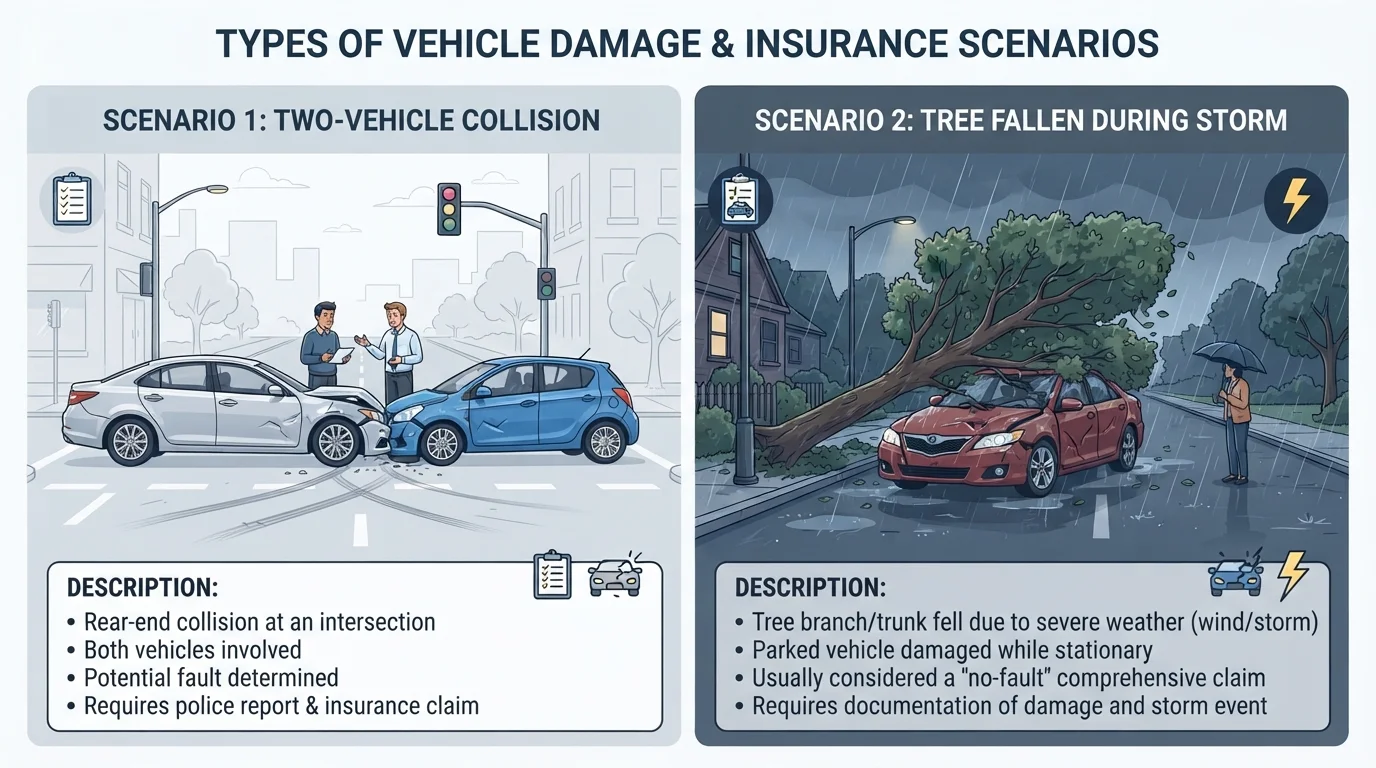
Photo credit: Wiseturt.com | Blogs Curated For You
In this article
These two terms get used interchangeably and incorrectly. Here's a clear side-by-side breakdown of what each type of coverage actually does.
Key Takeaways
- Liability coverage pays for damage or injury you cause to others - it does not cover your own vehicle.
- Comprehensive coverage protects your own vehicle from non-collision events like theft, weather, and fire.
- Liability coverage is legally required in almost every U.S. state; comprehensive coverage is optional.
- Confusing these two terms is one of the most common reasons drivers carry inadequate coverage.
- Both types can coexist in a single auto policy and serve entirely different purposes.
Why the Confusion Exists - and Why It Matters
Insurance terminology can be genuinely opaque, and few distinctions cause more real-world harm than the blurred line between liability and comprehensive coverage. Many drivers assume that being "fully covered" means both - when in practice they may have only one, or may misunderstand what either actually does. For a broader look at how common misreadings create coverage gaps, see common insurance myths that lead people to buy the wrong coverage.
The core confusion stems from loose language. Saying you have "comprehensive insurance" is sometimes used colloquially to mean thorough or complete coverage - but in the insurance world, comprehensive is a specific, defined coverage type with a narrow scope. Understanding the actual definitions is a practical financial matter, not just vocabulary.
"Full Coverage" Is Not a Legal Term
When people say they have "full coverage," they typically mean a combination of liability, collision, and comprehensive - but this phrase has no standard legal or regulatory definition. What's included in any policy depends entirely on what was selected and written into the contract. Always verify the specific coverages in your policy documents rather than relying on informal descriptions.
Liability Coverage: What It Is and What It Covers
Liability coverage pays for harm you cause to other people and their property when you are at fault in an accident. It does not pay anything toward your own vehicle or your own medical bills. There are two components under most liability policies:
- Bodily injury liability: Covers medical expenses, lost wages, and legal costs for other people injured in an accident you caused.
- Property damage liability: Covers repair or replacement costs for other people's vehicles or property you damage.
Liability limits are typically expressed as three numbers - for example, 25/50/20 - representing per-person injury, per-accident injury, and property damage limits in thousands of dollars. State minimums vary significantly, and minimum limits may not fully protect your personal assets in a serious accident. This is general information; a licensed insurance agent can help you assess appropriate limits for your situation.
| Criterion | Liability Coverage | Comprehensive Coverage |
|---|---|---|
| What it protects | Others' property and injury costs | Your own vehicle |
| Legally required? | Yes, in nearly all U.S. states | No (but may be lender-required) |
| Covers collisions you cause | Yes - for other parties | No |
| Covers theft of your vehicle | No | Yes |
| Covers weather damage to your car | No | Yes |
| Subject to a deductible | No | Yes |
| Payout cap | Policy limit per person/accident | Actual cash value of vehicle |
Comprehensive Coverage: What It Is and What It Covers
Comprehensive coverage - sometimes called "other than collision" coverage - pays for physical damage to your own vehicle caused by events that are not a collision with another vehicle or object. Common covered events include:
- Theft or attempted theft
- Weather events: hail, floods, hurricanes, tornadoes
- Fire and explosions
- Vandalism
- Falling objects (tree branches, debris)
- Animal strikes (such as hitting a deer)
Comprehensive coverage is subject to a deductible - the amount you pay out of pocket before the insurer covers the remainder. The payout is capped at your vehicle's actual cash value (ACV) at the time of the loss, not its original purchase price. This is an important distinction when estimating what a claim might realistically cover.
For a plain-language explanation of terms like deductible, ACV, and exclusions, the Insurance Terminology Decoded glossary is a useful reference.
~13%
U.S. drivers estimated uninsured
The Insurance Research Council has estimated that roughly 1 in 8 U.S. drivers carries no auto insurance, underscoring why liability coverage requirements exist.
49 of 50
States requiring liability insurance
New Hampshire is the only state that does not mandate auto liability insurance outright, though it does require drivers to demonstrate financial responsibility.
~$2,000
Average comprehensive claim payout
Industry data from the Insurance Information Institute indicates average comprehensive coverage claim payouts, though amounts vary widely by loss type and vehicle value.
How These Two Coverages Work Together in a Real Policy
Most auto insurance policies are modular - you select the coverage types you want (or are required to carry), and each operates independently. Liability and comprehensive do not overlap; they protect against entirely different categories of risk. A driver could carry both, either one, or (in rare situations involving older vehicles) liability only.
It's worth noting that comprehensive coverage is typically bundled alongside collision coverage - which covers damage to your vehicle from a crash - though they are separate line items with separate deductibles. If you're exploring how combining multiple coverages or policies under one insurer works, see how bundling insurance policies works.
The decision about which coverages to carry - and at what limits and deductibles - involves weighing your vehicle's value, your financial reserves, your lender's requirements, and your local risk environment. These are individual decisions best made with input from a licensed insurance professional. Terms, coverage, exclusions, and premiums vary significantly by provider and state.
This article is for general informational purposes only and does not constitute personalized insurance, financial, or legal advice. Coverage details, availability, and requirements vary by provider, policy, and state. Always read your actual policy documents and consult a licensed insurance agent or adviser for guidance specific to your situation.

Author
Investment & Insurance Editorial Team
Investment & Insurance Editorial Team is the collective byline for our editorial team and contributor network. Articles published under this byline or an editorial pen name are researched, written, and reviewed according to our editorial standards for clarity, consistency, and independence before publication.
View all articles →