
What a Career Ladder Actually Looks Like in 2024 and Beyond
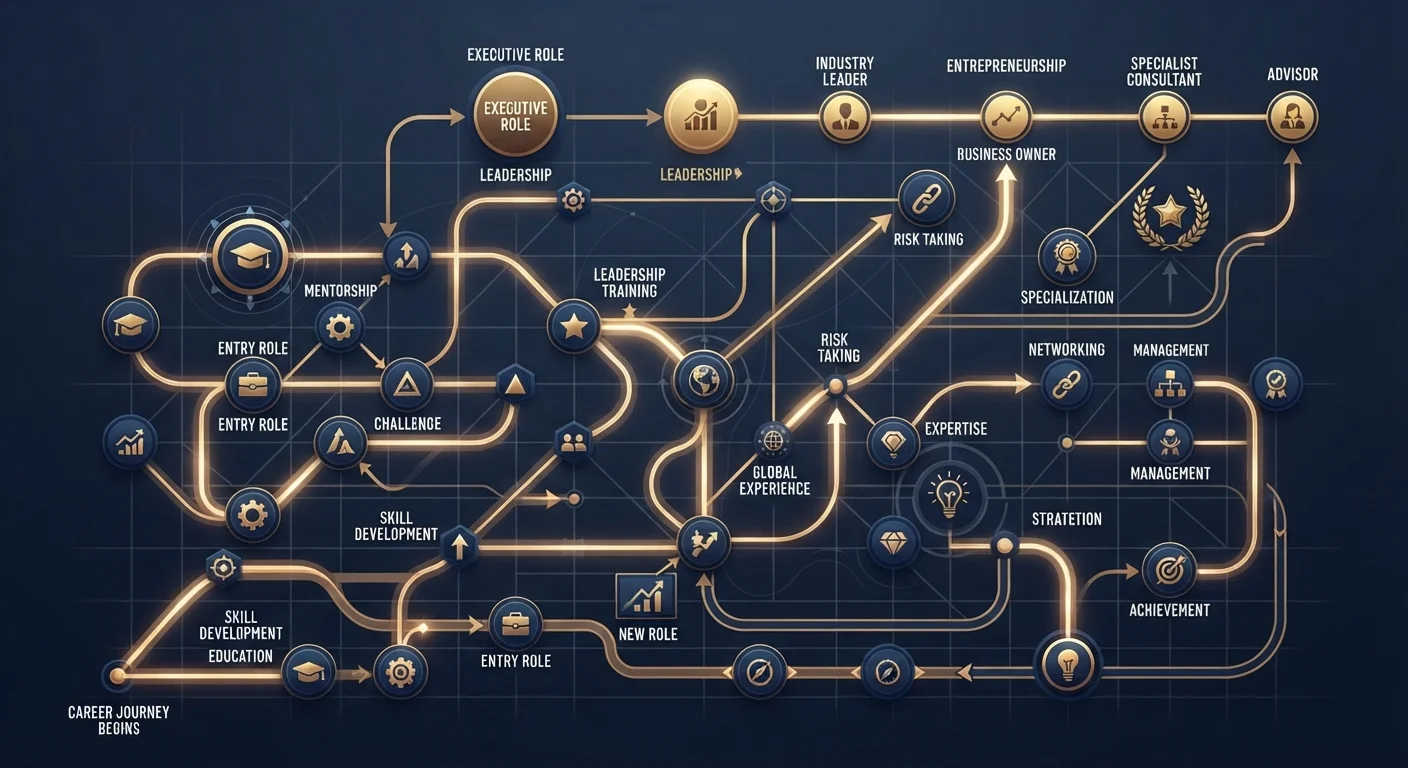
Photo credit: Wiseturt.com | Blogs Curated For You
In this article
The traditional climb from entry-level to executive has changed. Here's how modern career progression actually works across industries.
Key Takeaways
- The traditional vertical climb from entry-level to executive is now just one of several valid progression paths.
- Lateral moves, skill pivots, and cross-functional roles have become recognized and often strategic forms of career growth.
- Industries define and reward progression differently - what counts as advancement varies widely by sector.
- Ownership of your career trajectory matters more than ever, as employers offer fewer guaranteed pathways.
- A documented career development plan is one of the most practical tools workers can use to navigate change.
Why the Old Model No Longer Reflects How Most Careers Work
For much of the 20th century, the career ladder was straightforward: join a company, earn promotions on a set timeline, and retire from a senior position. That model assumed long employer tenure, predictable industry structures, and a hiring market that rewarded loyalty above all else.
None of those assumptions hold universally today. The Bureau of Labor Statistics has consistently found that the median employee tenure in the US sits around four years, with younger workers changing jobs more frequently. Entire job categories have been automated, restructured, or created from scratch within a decade. And remote work has decoupled career advancement from geography in ways that were unthinkable before 2020.
The result is that career progression now looks less like a single ladder and more like a network of connected pathways - some going up, some going sideways, and some cutting across fields entirely. Understanding this shift is the starting point for taking real ownership of your professional trajectory.
~4 years
Median US employee tenure
According to the Bureau of Labor Statistics, the median tenure for US wage and salary workers has consistently hovered around four years, reflecting how frequently workers change employers.
12+
Average jobs held in a lifetime
BLS longitudinal data suggests American workers hold an average of more than 12 jobs between ages 18 and 54, pointing to a fundamentally non-linear career experience for most people.
65%
Workers open to career pivots
A LinkedIn Workforce Confidence survey found that a majority of professionals reported being open to changing their career path, reflecting growing acceptance of non-linear progression.
The Modern Career Path: Vertical, Lateral, and Everything In Between
Career progression today typically takes one of several forms, and most workers will experience more than one during their working lives.
Vertical progression
This is the classic model - moving from individual contributor to manager to director and beyond. It's still common in structured industries like finance, law, healthcare, and government. Vertical moves usually come with title changes, salary increases, and broader decision-making authority.
Lateral progression
A lateral move means shifting to a different role at roughly the same level - perhaps from marketing analyst to product operations analyst. Done strategically, this can build a skill set that makes you far more competitive for senior roles down the line. Lateral moves aren't the same as standing still - the distinction matters when you're weighing your next step.
Cross-functional and industry pivots
Some workers deliberately move across industries or functional areas to find roles that better fit their skills or values. This is increasingly viable as transferable skills - data literacy, stakeholder communication, process management - carry real weight across sectors. For context on navigating this type of shift, career changes after 35 present both genuine challenges and real advantages worth understanding.
“The days of the linear career are largely over. What matters now is building a portfolio of experiences and skills that remain relevant as industries evolve - not simply accumulating years on a single track.”
— Lynda Gratton, Professor of Management Practice, London Business School, and author on the future of work
How Career Ladders Differ by Industry
Not all career ladders are built the same. In technology, many companies use explicit leveling systems (e.g., Software Engineer I through Principal Engineer) with published competency expectations for each tier. Advancement is tied to demonstrated impact, not tenure.
In healthcare and law, progression is often credentialed and sequential - you cannot skip steps without meeting formal requirements. These ladders are slower but more predictable.
In creative industries and media, titles matter less than portfolio quality and professional network. A freelance art director may earn more and carry more influence than a salaried counterpart with a more senior-sounding job title.
In retail and hospitality, pathways to management are often well-defined but can plateau quickly without deliberate effort to move into corporate or operational roles.
Knowing how your specific industry structures advancement helps you set realistic expectations and avoid measuring your progress against a model that doesn't apply to your field.
Map Your Industry's Actual Ladder
Before benchmarking your progress, research how your specific field structures advancement. Look at LinkedIn profiles of people in roles you aspire to and trace their career histories backward. This gives you a realistic picture of what paths actually lead where - not just what org charts say they should.
Taking Ownership: What You Can Actually Control
One of the most important shifts in thinking about modern career ladders is recognizing that your employer is unlikely to manage your progression for you. Formal mentorship programs, structured development reviews, and guaranteed promotion timelines exist in some organizations - but they're far from universal.
What workers can control is how deliberately they approach their own development. This means articulating what advancement looks like to you specifically, identifying the skill gaps between where you are and where you want to be, and seeking out roles - internal or external - that close those gaps.
A structured career development plan doesn't need to be elaborate. A practical career development framework can help you organize your goals, identify what's missing, and build toward them with intention rather than waiting for opportunity to arrive.
It's also worth monitoring for signs that your current role has stopped growing you. Stagnant responsibilities, no access to new challenges, and being consistently overlooked for opportunities are all signals worth taking seriously. Understanding how to recognize a career plateau early gives you more options for addressing it before frustration sets in.
Frequently Asked Questions

Author
Jobs & Careers Editorial Team
Jobs & Careers Editorial Team is the collective byline for our editorial team and contributor network. Articles published under this byline or an editorial pen name are researched, written, and reviewed according to our editorial standards for clarity, consistency, and independence before publication.
View all articles →