
The 50/30/20 Rule Explained: Does This Budgeting Framework Actually Work?
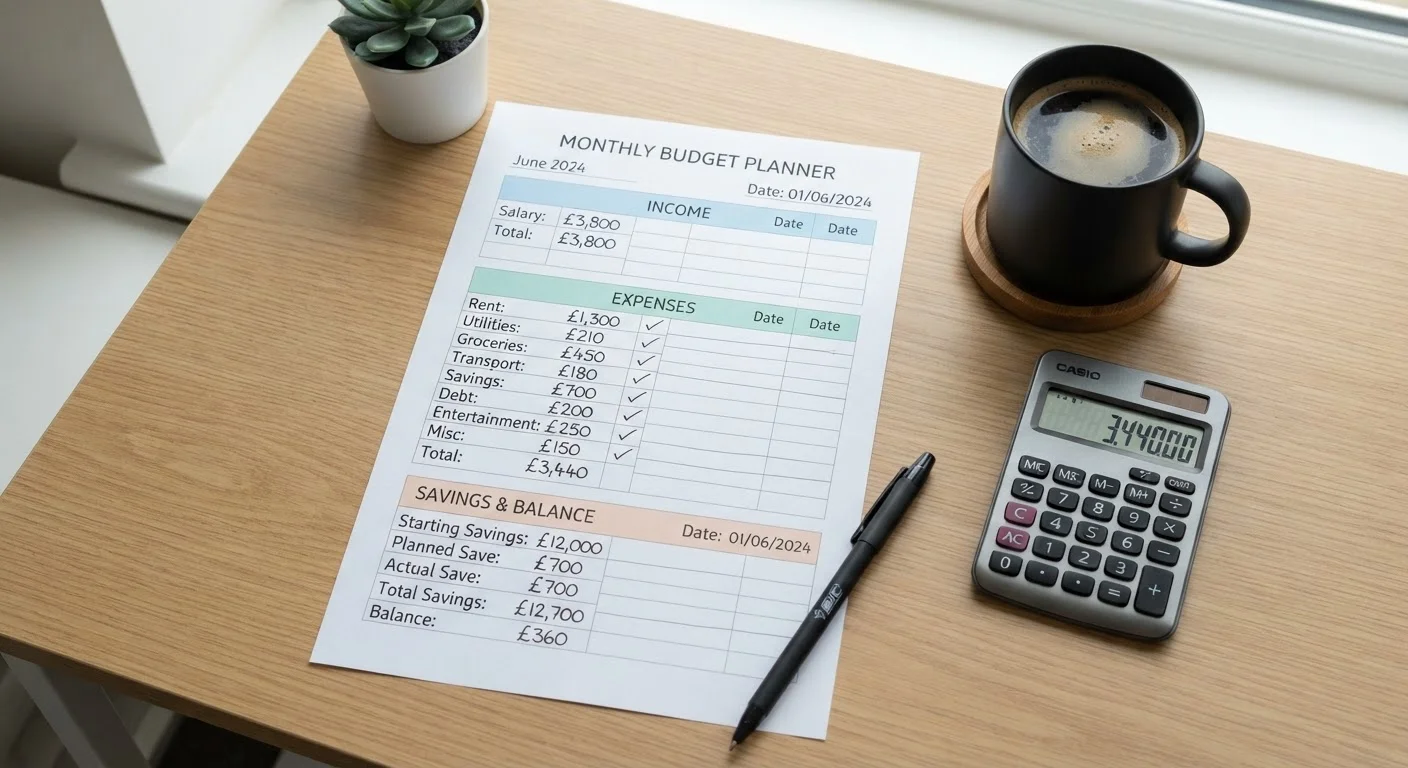
Photo credit: Wiseturt.com | Blogs Curated For You
In this article
The 50/30/20 rule is a popular budgeting guideline — but is it realistic for every household? Here's what it means and where it falls short.
Key Takeaways
- The 50/30/20 rule splits after-tax income into needs, wants, and savings/debt repayment.
- It works best as a starting framework, not a rigid prescription for every household.
- High housing costs in many US cities make the 50% 'needs' cap difficult to achieve.
- Lower-income earners often must allocate more than 50% to basic necessities alone.
- The rule can be adjusted - 60/20/20 or 70/20/10 - to reflect your real situation.
- Consistent saving and avoiding lifestyle inflation matter more than hitting exact percentages.
How the Three Buckets Actually Work
The appeal of the 50/30/20 rule is its simplicity. After calculating your take-home pay - income after taxes and payroll deductions - you assign spending to three categories:
- 50% Needs: Rent or mortgage, utilities, groceries, insurance premiums, minimum loan payments, and essential transportation costs.
- 30% Wants: Dining out, streaming services, vacations, clothing beyond basics, hobbies, and other discretionary spending.
- 20% Savings and Debt Repayment: Emergency fund contributions, retirement account deposits, and extra payments on debt beyond minimums.
The framework doesn't require you to track individual transactions in detail - it asks only that your spending roughly lands in these proportions. For people who find granular budgeting exhausting, this broad structure can help establish basic financial discipline without creating spreadsheet fatigue.
If you're new to managing household finances, see our practical guide to building a household budget from scratch before applying any percentage-based framework.
~37%
Average US household share spent on housing
According to the U.S. Bureau of Labor Statistics Consumer Expenditure Survey, housing accounts for roughly 37% of average household spending - already close to the 50/30/20 rule's entire 'needs' ceiling.
22%
Americans with no emergency savings
Bankrate's annual emergency savings report has consistently found that a significant share of US adults have no emergency fund at all, underscoring why the 20% savings target remains aspirational for many households.
$61,334
Median US household after-tax income (approximate)
Based on U.S. Census Bureau income data, the median household income figure provides context for why a fixed percentage framework may work differently across income levels.
Where the Rule Falls Short in Practice
The 50/30/20 rule was conceived as a guideline for median American households. Today, it runs into structural friction in several common situations:
High housing costs
In many metropolitan areas, rent alone can consume 35-45% of a moderate income, leaving almost nothing for other necessities before even touching wants or savings. The rule assumes housing is one line item within a 50% ceiling - in high cost-of-living cities, that assumption breaks down quickly.
Lower income households
When income is modest, fixed costs - housing, food, utilities - often represent a much larger share of take-home pay than 50%. Forcing a 30% wants allocation under these conditions isn't just unrealistic; it actively discourages people who can't meet the benchmarks from budgeting at all.
Variable income
Freelancers, gig workers, and seasonal employees face fluctuating monthly income, making fixed percentage targets hard to apply consistently. A month with high earnings and a month with low earnings require completely different approaches.
These aren't reasons to abandon the framework - they're reasons to treat it as a starting point rather than a mandate. The detailed breakdown of when the 50/30/20 rule actually works explores these scenarios in greater depth.
Start With an Honest Snapshot First
Before applying any percentage split, tally three months of actual spending to see where your money already goes. Most households find their real allocations differ significantly from what they assume. That baseline - not an idealized rule - is the right starting point for adjustments.
Adapting the Percentages to Your Real Life
The most useful adjustment most households can make is to modify the split honestly rather than pretend the standard percentages fit. Common adaptations include:
- 60/20/20: More realistic for households where fixed costs are high but savings are still prioritized.
- 70/20/10: A starting point for lower-income households working to build any savings habit at all.
- 50/20/30: Flipping wants and savings for households aggressively paying down debt or building an emergency fund.
The underlying principle - spend less than you earn, save something consistently, and keep discretionary spending in check - matters more than hitting precise percentages. If you find the 50/30/20 structure too rigid, exploring other methods such as zero-based or envelope budgeting may fit your habits better. Compare your options in our comparison of zero-based and envelope budgeting.
“A budget is telling your money where to go instead of wondering where it went.”
— Dave Ramsey, Personal finance author and radio host
The rule also applies beyond monthly household budgets. When planning for larger goals like travel, the same logic of categorizing fixed costs versus discretionary spending carries over - see how in our guide to building a travel budget that holds.
This article is for general informational purposes only and does not constitute personalized financial advice. For guidance specific to your circumstances, consult a qualified financial professional.
Frequently Asked Questions

Author
Smart Shopping Editorial Team
Smart Shopping Editorial Team is the collective byline for our editorial team and contributor network. Articles published under this byline or an editorial pen name are researched, written, and reviewed according to our editorial standards for clarity, consistency, and independence before publication.
View all articles →