
Hawaii's Six Major Islands: What Each One Actually Offers Visitors
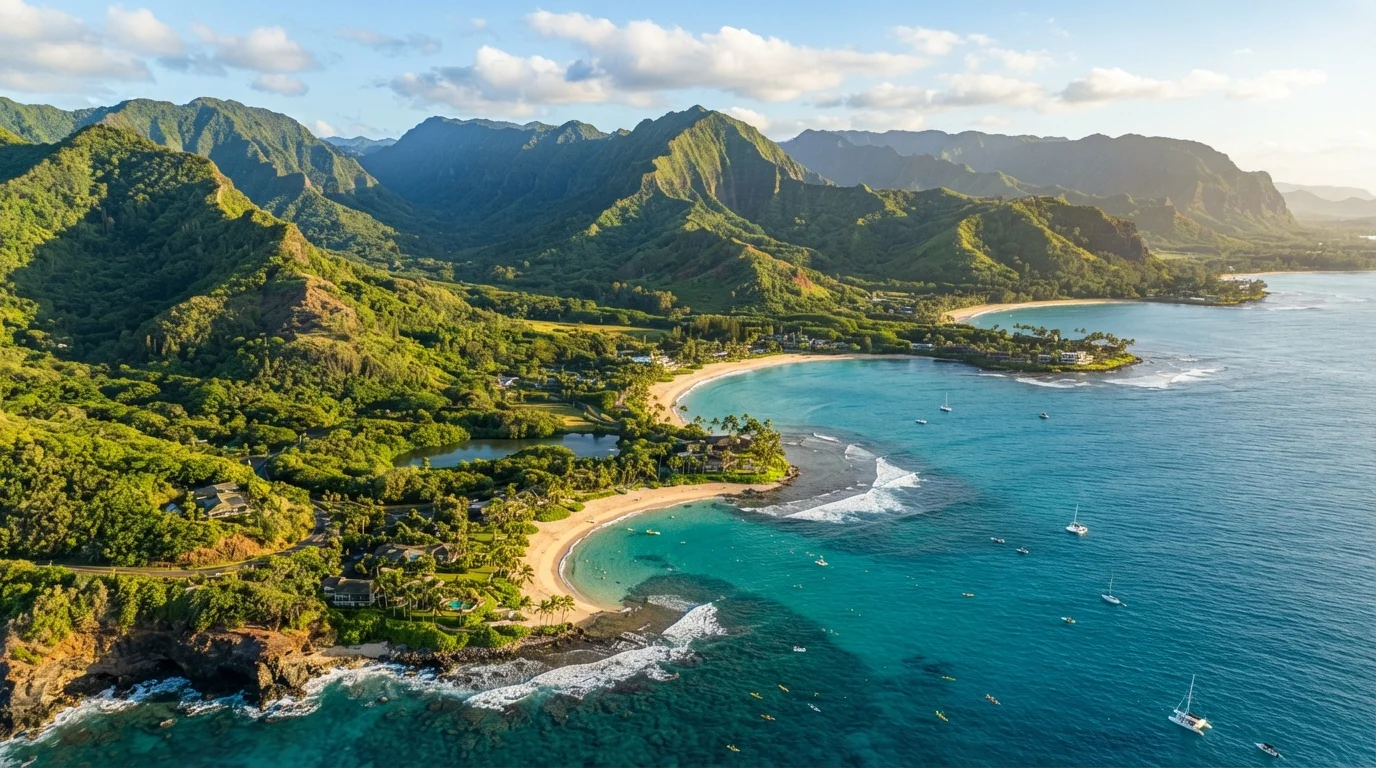
Photo credit: Wiseturt.com | Blogs Curated For You
In this article
Oahu, Maui, Kauai, the Big Island, Molokai, and Lanai each serve different traveler needs. Here's a factual breakdown of all six.
Why the Islands Are Not Interchangeable
Many first-time visitors to Hawaii treat the islands as a single destination, assuming each one delivers roughly the same experience. In reality, Oahu, Maui, Kauai, the Big Island, Molokai, and Lanai differ dramatically in terrain, infrastructure, tourism intensity, and the type of traveler each one suits. Picking the right island - or combination - makes a significant difference in what your trip actually looks like.
Just as Caribbean destinations get lumped together when they're actually quite distinct, Hawaii's islands deserve individual consideration before you book.
Island-by-Island Breakdown
Oahu is the most visited island and home to Honolulu, Waikiki Beach, and Pearl Harbor. It offers the widest range of hotels, dining, nightlife, and cultural attractions. The North Shore draws surfers during winter swells. Oahu suits travelers who want urban conveniences alongside beach access.
Maui balances resort infrastructure with natural drama. The Road to Hana, Haleakalā volcano, and whale watching (typically November through May) are its signature draws. It has a well-developed tourism economy while still feeling less congested than Oahu's core corridors. Maui appeals to couples, families, and those seeking a mix of activity and relaxation.
Kauai is the oldest and most geologically weathered island, shaped into dramatic sea cliffs and deep valleys. The Na Pali Coast and Waimea Canyon are its centerpieces. Infrastructure is deliberately limited - no large resorts dominate the landscape - making it a stronger fit for travelers who prioritize scenery and outdoor exploration over nightlife or shopping.
The Big Island (Hawaii Island) is the largest by far and the only island with active volcanic activity. Hawaii Volcanoes National Park offers a genuinely unique landscape found nowhere else in the US. The island also hosts Mauna Kea's world-class astronomical observatories, diverse climate zones, and black and green sand beaches. Its size means driving distances between attractions are substantial.
Molokai is the least developed of the six and home to the highest percentage of Native Hawaiian residents. It has no traffic lights, no large hotels, and no commercial tourist infrastructure to speak of. The sea cliffs at Kalaupapa and the quiet, unhurried pace draw visitors seeking an authentic, unmediated Hawaiian experience. It is not suited for travelers expecting resort amenities.
Lanai is small and largely privately managed, with two upscale resort properties and limited public lodging alternatives. It offers uncrowded snorkeling at Hulopoe Bay, rugged 4WD terrain, and a dramatic sense of isolation. Day trips from Maui by ferry are common, making it accessible without an overnight stay.
Na Pali Coast
A remote stretch of Kauai's northwest shore featuring towering sea cliffs, inaccessible by road. It is reachable by boat, helicopter, or the strenuous Kalalau Trail.
Haleakalā
A massive shield volcano on Maui, rising over 10,000 feet. Its summit crater is a protected national park and a popular spot for sunrise viewing.
Kalaupapa
A isolated peninsula on Molokai that served as a leprosy settlement from the 1860s until 1969. It is now a national historical park with access restricted and managed.
Shield Volcano
A broad, gently sloping volcano built from successive lava flows rather than explosive eruptions. Hawaii's islands are entirely formed by shield volcanism over the Pacific hotspot.
Matching Your Travel Style to the Right Island
Choosing between islands comes down to three practical questions: How much infrastructure do you need? How much time do you have? And what kind of experience are you after?
6
Distinct major islands open to visitors
Each island has its own terrain, infrastructure level, and traveler profile, per the Hawaii Tourism Authority.
~4,000 sq mi
Area of the Big Island
According to USGS, Hawaii Island is larger than all other Hawaiian islands combined.
20-45 min
Typical inter-island flight duration
Based on published schedules for Hawaiian inter-island routes, not including airport processing time.
Multi-island itineraries are possible but require thoughtful logistics. Inter-island flights are short - typically 20 to 45 minutes - but add cost and time once you factor in airport check-in on both ends. A week is often better spent going deeper on one or two islands rather than skimming five. Travelers with two weeks have more realistic flexibility for combining, say, Oahu with Kauai or Maui with the Big Island.
Regardless of which island you choose, verify entry requirements, tour availability, and any conservation area access rules with official state tourism sources before finalizing plans, as conditions and policies can change.
This article is for general informational purposes only. Conditions, access rules, tour availability, and travel requirements may change. Always verify current details with official Hawaii tourism and government sources before booking or traveling.
Author
Travel & Tours Editorial Team
Travel & Tours Editorial Team is the collective byline for our editorial team and contributor network. Articles published under this byline or an editorial pen name are researched, written, and reviewed according to our editorial standards for clarity, consistency, and independence before publication.
View all articles →