
What "Off-Season" Travel Actually Means at Popular Destinations
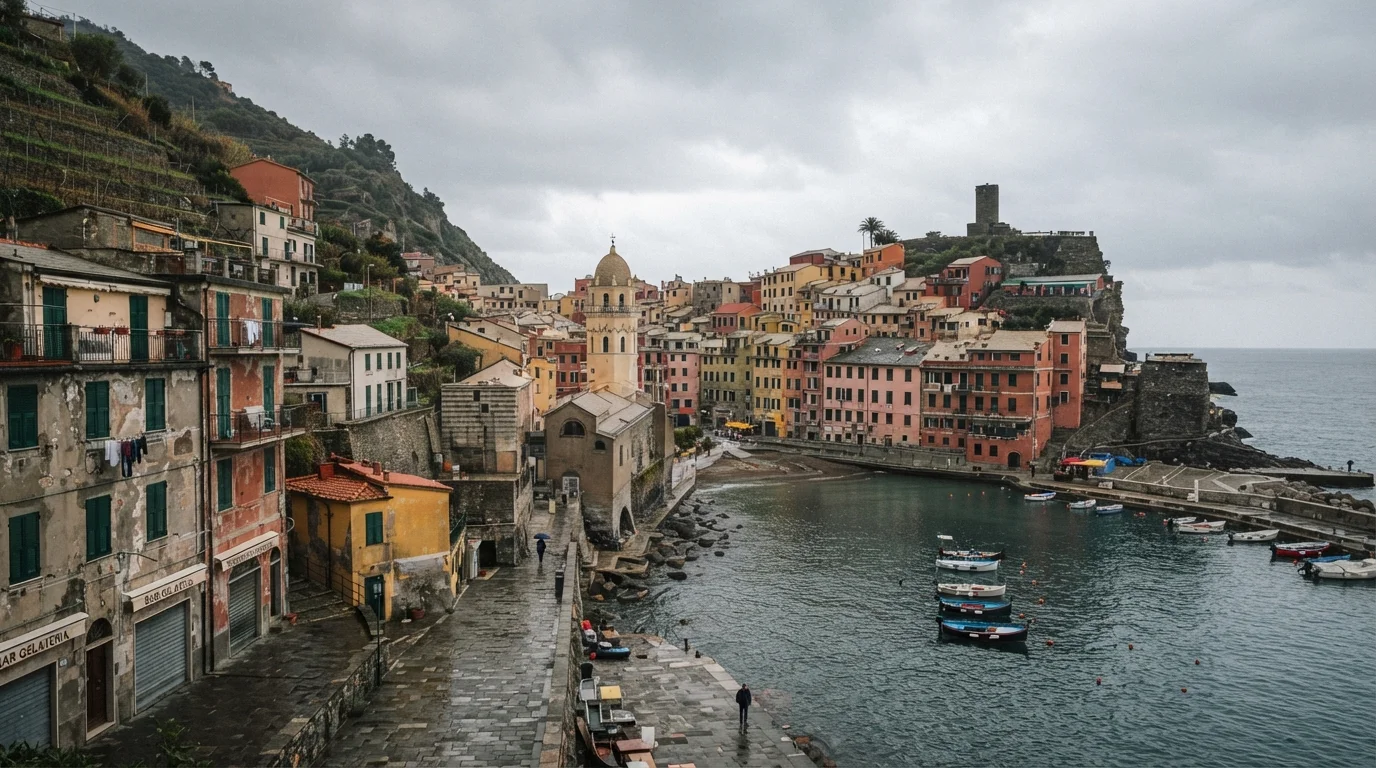
Photo credit: Wiseturt.com | Blogs Curated For You
In this article
Shoulder and off-peak seasons vary by destination. Here's how to interpret what off-season really looks like before you plan around it.
Key Takeaways
- Off-season timing varies dramatically by destination - there is no universal calendar.
- "Off-season" doesn't always mean bad weather; sometimes it simply means fewer crowds.
- Shoulder seasons often offer a middle ground between peak crowds and difficult conditions.
- Some attractions close or reduce hours during low season, which can surprise unprepared travelers.
- Always verify visa, safety, and entry requirements through official sources before traveling.
Why "Off-Season" Is a Moving Target
Ask a dozen travelers when the off-season is for a destination, and you'll get a dozen different answers - and some of them will contradict each other. That's because the concept isn't fixed. It's defined differently depending on who's doing the defining: the local hotel industry, airline revenue managers, school calendar committees, or the destination's own climate.
A beach resort in the Caribbean might label hurricane season (roughly June through November) its low season, while a ski town in the Rockies considers midsummer its quietest stretch. A cultural city like Prague sees its lowest footfall in the depths of winter, but a safari destination in East Africa goes quiet during the long rains of April and May. The lesson: off-season is always relative to a specific place and its particular rhythm.
Understanding this is the first step to interpreting any travel advice you encounter online. When an article tells you to "visit in the off-season," it's worth asking: off-season for whom, and compared to what?
"Off-Season" Is Not a Global Calendar
There is no universal list of off-season months that applies across destinations. A month that is low season in one region may be high season in another - even within the same country. Travelers should research each destination individually rather than applying a general off-season rule. Official tourism board resources are a reliable starting point for understanding local seasonal patterns.
What Actually Changes When You Travel Off-Peak
The differences between peak and off-season travel are real - but they're not always the ones travelers expect. Here's what actually shifts:
- Crowd levels: This is usually the most noticeable change. Famous landmarks, restaurants, and public transport become significantly more manageable. However, "fewer crowds" at an iconic site doesn't mean empty - popular year-round destinations rarely go truly quiet.
- Service availability: Some seasonal tours, ferry routes, and smaller accommodations close entirely during low season. A boat trip that runs daily in July might operate only on weekends in October, or not at all in January.
- Weather conditions: Off-season weather ranges from pleasantly mild to genuinely challenging. A Mediterranean coastal town in November offers cool, quiet charm; a tropical island during monsoon season may mean flooding and limited accessibility.
- Local atmosphere: With fewer tourists, the local rhythm of a place becomes more visible. Markets cater to residents, restaurants serve everyday menus, and cultural routines are easier to observe authentically.
For a deeper look at structuring your trip around what you actually want from it, see planning around experiences rather than destinations.
~30%
Typical visitor volume drop in low vs. peak season
Destination-level visitor statistics from national tourism boards commonly show visitor numbers falling by 25-40% between peak and low season at major European and Southeast Asian destinations, though this varies widely by location.
3-8 weeks
Typical shoulder season window length
Travel industry analysis generally places shoulder seasons at roughly three to eight weeks on either side of peak, though the exact window is destination-specific and shifts year to year based on calendars and climate.
The Shoulder Season Sweet Spot
Many experienced travelers find that shoulder season - those transitional weeks just before or after peak - offers the most satisfying balance. Conditions tend to be favorable, most services are still fully operational, and visitor volumes haven't yet surged.
In practice, shoulder season looks like: visiting Tuscany in late April before summer heat and tour buses arrive in full force; exploring Japan's Kyoto in early December before the New Year holiday crowds; or heading to Costa Rica in late November as the rainy season winds down and resorts haven't yet hit January capacity.
The key is to research each destination individually. Shoulder periods can be as short as two weeks or as long as two months - and what qualifies varies by the specific attraction or region within a country, not just the country itself.
Build in a Buffer for Shoulder Season Surprises
Shoulder season conditions can shift quickly - an early heat wave, a delayed rainy season, or a newly announced local festival can alter the experience significantly. Where possible, build flexibility into your itinerary and avoid back-to-back bookings that leave no room to adapt. Confirm all reservations and operating hours closer to your departure date, not just at the time of booking.
How to Research Off-Season Conditions Before You Commit
Good off-season planning requires going beyond generic travel articles. Here's a practical research approach:
- Check official tourism board resources for your destination. Many publish seasonal guides with accurate climate and event information.
- Cross-reference government travel advisories for the period you're considering - weather events, local unrest, and entry requirements can shift by season.
- Look at what's actually open. Contact hotels, tour operators, and major attractions directly if their websites don't clearly state off-season hours or closures. Reading tour operator listings carefully can reveal whether a service you're counting on is genuinely available in your window.
- Understand local events and holidays. Local festivals, national holidays, or religious observances can create mini-peaks inside what's technically the low season. This can work in your favor (richer cultural experience) or against it (unexpected crowds and closures).
All of this research feeds into the larger work of trip planning - and if you want a fuller framework for that process, the anatomy of a well-planned trip covers the key phases from first research to day-of logistics.
Travel conditions, entry requirements, visa rules, and safety advisories change frequently. Always verify current information through official government and destination sources before making any travel decisions.
Frequently Asked Questions

Author
Travel & Tours Editorial Team
Travel & Tours Editorial Team is the collective byline for our editorial team and contributor network. Articles published under this byline or an editorial pen name are researched, written, and reviewed according to our editorial standards for clarity, consistency, and independence before publication.
View all articles →