
Why Travelers Underestimate the American Southwest
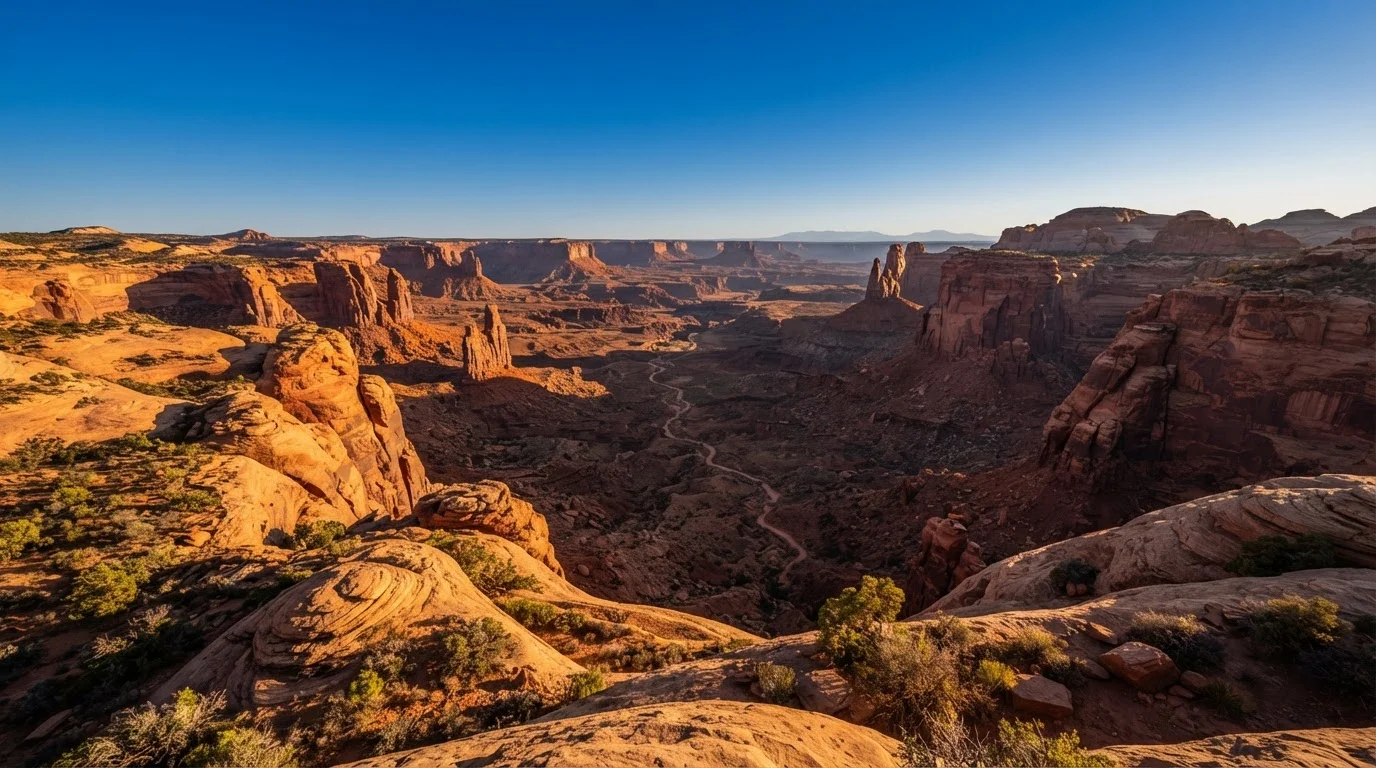
Photo credit: Wiseturt.com | Blogs Curated For You
In this article
The Southwest's scale, climate extremes, and cultural depth surprise most first-timers. Here's what makes it one of the US's most distinct travel regions.
Key Takeaways
- Distances between Southwest attractions are routinely three to six hours of driving, even between well-known parks.
- Summer heat in desert areas can exceed 110°F, making mid-day outdoor activity genuinely dangerous.
- The Southwest holds living Indigenous nations with distinct cultures, not just archaeological ruins.
- Elevation changes of several thousand feet mean dramatically different conditions within a single day's drive.
- Planning around experiences - not just a list of landmarks - leads to far more satisfying trips.
The Scale Problem: Why Maps Are Misleading
Pull up a map of the Southwest and Grand Canyon, Arches, and Zion look close together. They are not. The region covers hundreds of thousands of square miles, and a deceptively short map distance often translates to a four- or five-hour drive on two-lane desert highways. This is the single most common planning mistake first-timers make.
Travelers frequently build itineraries that would require driving eight to ten hours a day just to keep schedule - leaving almost no time to actually experience the places they drove to see. A smarter approach is to pick a geographic cluster of two or three destinations and explore them properly rather than racing between seven.
If you're approaching your trip as a connected series of moments rather than a checklist of landmarks, see how an experience-first mindset reshapes travel planning for a framework that works especially well in the Southwest.
277 miles
Length of the Grand Canyon alone
The Grand Canyon stretches 277 river miles end to end - illustrating why even a single Southwest landmark defies quick exploration.
110°F+
Peak summer temperatures in low desert areas
The National Park Service reports heat-related rescues spike sharply in summer months, particularly in the Grand Canyon's inner gorge.
4-6 hours
Typical drive between major park clusters
Driving from Zion National Park to the Grand Canyon's South Rim takes roughly four hours under normal conditions - a figure that surprises most first-time visitors.
Climate Extremes That Catch Visitors Off Guard
The Southwest is not uniformly hot. It is a region of violent contrasts. Sedona in July can hit 105°F by noon, while Bryce Canyon - just a few hundred miles north and several thousand feet higher - might see afternoon thunderstorms and temperatures in the 50s. The same day-trip can start in desert heat and end in a sudden mountain downpour.
Summer monsoon season (roughly July through September) brings dramatic afternoon thunderstorms across much of Arizona and New Mexico. Flash floods, which can surge through slot canyons with no local rain visible from where you stand, are a genuine and underreported hazard. Always check weather upstream of any canyon hike, and never camp in dry washes.
Winter travelers are often surprised by snow at canyon rims and icy roads through regions they associate purely with heat. Some scenic byways close seasonally. Verifying current conditions through official park or state transportation sources is not optional - it's essential.
Carry More Water Than You Think You Need
The standard recommendation for desert hiking is at least one liter of water per hour of activity in warm conditions - and experienced desert hikers often carry more. Dehydration in low-humidity environments progresses faster than most people expect because sweat evaporates almost instantly. Always start hikes with a full supply, and never count on finding water en route unless you've confirmed a reliable source in advance.
Cultural Depth Most Itineraries Miss Entirely
The Southwest is home to dozens of federally recognized Indigenous nations, including the Navajo Nation - the largest in the US by land area - as well as Hopi, Zuni, Pueblo, and Apache communities, among others. These are living cultures, not museum exhibits. Many sites that attract millions of visitors annually sit within or adjacent to tribal lands governed by their own laws, access rules, and protocols.
Beyond Indigenous heritage, the region's Spanish colonial past shapes its architecture, food, and place names across New Mexico and southern Arizona in ways that feel foreign to visitors expecting a purely Western-frontier aesthetic. Cities like Santa Fe and Taos have distinct art scenes, culinary traditions, and historic districts that reward slower, more curious travelers.
Rushing through the Southwest focused only on geology means missing half of what makes it singular. A thoughtful approach - spending time in a community, attending a cultural event where visitors are welcome, or simply asking questions at a local ranger station - adds dimensions that photographs alone cannot capture.
Planning a Southwest Trip That Actually Works
The travelers who leave the Southwest most satisfied tend to share a few habits. They build in buffer days. They pre-book permits for high-demand sites months in advance. They check trail conditions daily, not just before departure. And they go in with realistic expectations about physical demands.
Many popular Southwest hikes - including some well-marketed as suitable for everyone - involve significant elevation change, loose footing, or extreme exposure to sun with no shade. Understand what you're signing up for before you commit. Adventure activities carry real risks that operators don't always volunteer upfront - and canyon hiking is no exception.
If you're building your first independent Southwest itinerary, a first-timer's planning roadmap can help you move from broad destination ideas to a realistic, booked trip without the guesswork. The Southwest rewards preparation - and forgives it far less than most regions when travelers skip it.
“The canyon is not a thing you can see in an afternoon. It takes time to understand that you are looking at two billion years of Earth's history laid bare. Most visitors see the rim. Very few understand what they're standing on.”
— A National Park Service interpretive ranger, Grand Canyon National Park ranger, paraphrased from public interpretive programming
Frequently Asked Questions

Author
Travel & Tours Editorial Team
Travel & Tours Editorial Team is the collective byline for our editorial team and contributor network. Articles published under this byline or an editorial pen name are researched, written, and reviewed according to our editorial standards for clarity, consistency, and independence before publication.
View all articles →