
Reading a Vehicle History Report: What the Data Can and Can't Tell You
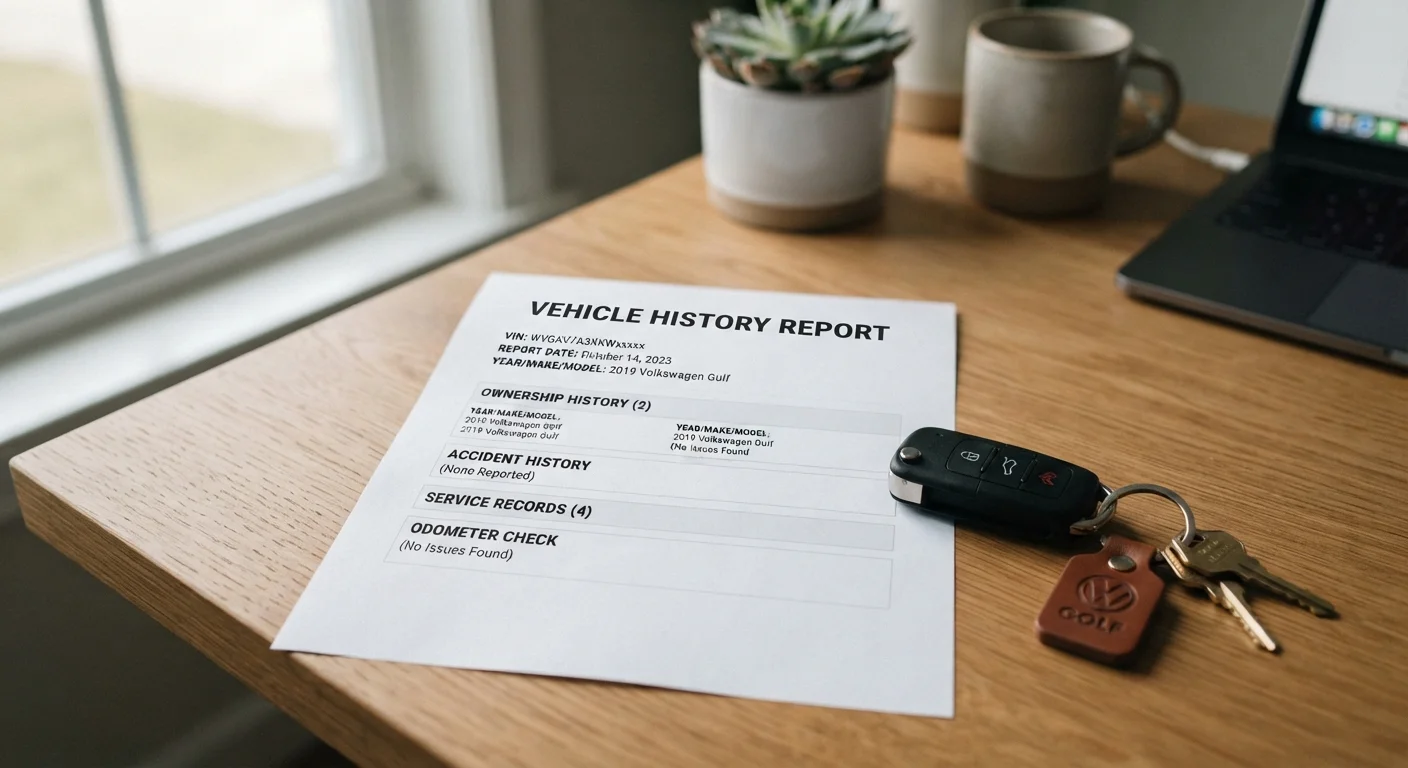
Photo credit: Wiseturt.com | Blogs Curated For You
In this article
Vehicle history reports reveal past ownership, accidents, and title status — but they have real limits. Learn to interpret them accurately.
Key Takeaways
- Vehicle history reports pull from reported events only - unreported damage is invisible to them.
- Title status, odometer readings, and ownership count are among the most reliable data points.
- A clean report does not guarantee a problem-free vehicle; always pair it with a mechanic inspection.
- Multiple providers compile reports from different data sources, so coverage can vary.
- Understanding what each section means helps you ask the right questions before purchase.
What a Vehicle History Report Actually Is
A vehicle history report is a compiled summary of officially recorded events tied to a specific vehicle's VIN. Data is drawn from sources such as state Department of Motor Vehicles (DMV) records, insurance company filings, federal odometer disclosures, salvage yards, and some repair facility databases. The result is a document that can tell you quite a lot - and miss quite a lot - depending entirely on what was formally reported.
If you're evaluating a used car and want the full picture, the report is your starting point, not your finish line. It pairs best with a physical inspection and, where relevant, a review of NHTSA and IIHS safety ratings for the model you're considering. Understanding the vehicle's category and design history - covered in our breakdown of the modern automotive landscape - can also help you interpret certain findings in context.
What you will need
How to Read the Report Step by Step
The sections below walk you through each part of the report in the order that makes the most practical sense. Title status gets your attention first because it carries the most weight; service records come last because they're the least complete. Work through each step methodically rather than jumping straight to the accident section.
Vehicle Identification Number (VIN)
The unique 17-character code used to pull the vehicle's full history from any report service.
Vehicle history report service
Aggregates data from DMVs, insurance companies, and repair facilities to produce a history summary.
Independent mechanic or inspection service
Physically inspects the vehicle to catch issues the report cannot detect.
Locate and verify the VIN
Find the 17-character VIN on the dashboard (visible through the windshield on the driver's side) or on the sticker inside the driver's door jamb. Write it down and confirm it matches the VIN printed in the listing or on any seller-provided documents. Discrepancies should be resolved before going further.
Run the report and check title status first
Enter the VIN into a vehicle history report service to generate the full report. Go straight to the title history section. Look for any of these flags: salvage title (vehicle was declared a total loss by an insurer), rebuilt/reconstructed title (a salvage vehicle later repaired and re-registered), flood damage title, or lemon law buyback. These designations have lasting implications for resale value, insurability, and safety - and should prompt very careful scrutiny, not just a lower price expectation.
Review the ownership and usage history
The report will list how many times the vehicle changed ownership and whether it was registered as a personal vehicle, rental fleet unit, taxi, or commercial vehicle. More owners in a short period can signal recurring problems. Fleet and rental use often means higher mileage accumulation and variable maintenance quality - neither is automatically disqualifying, but both deserve follow-up questions.
Examine the accident and damage records
Look for reported collisions, airbag deployments, and structural damage notations. Pay attention to how damage was described - minor cosmetic damage is different from frame or structural damage. Keep in mind that only accidents reported to insurance or law enforcement appear here. A car can have significant repair history that never generated a claim. This is why a physical inspection remains essential even after reviewing this section.
Check odometer readings across recorded events
Reports often show mileage readings logged at different points - emissions checks, service visits, registration renewals, and insurance events. Review these chronologically. Mileage should increase consistently over time. Any point where recorded mileage appears to drop or jumps implausibly should be flagged for further investigation.
Look at service and maintenance records
Some reports include service records submitted by dealerships or participating repair shops. Regular oil changes, inspections, and scheduled maintenance on record are a positive sign. Gaps in service history - particularly around high-mileage intervals - may indicate deferred maintenance. Be aware that records from independent shops and DIY maintenance rarely appear in these systems.
Identify what the report doesn't cover - then fill the gaps
Once you've read the full report, list what you still don't know: private-sale repairs, unreported fender-benders, mechanical wear, and any work done off the grid. Schedule a pre-purchase inspection with a qualified, independent mechanic to physically evaluate the vehicle. The report gives you a paper trail; the mechanic gives you the physical reality. Use both together before making a decision. Before finalizing anything, also review what to verify before signing a car purchase agreement.
A Clean Report Is Not a Green Light
A vehicle history report only reflects events that were officially reported and entered into the data systems. Cash-paid repairs, private sales, and unreported accidents leave no trace. Never skip a pre-purchase inspection by a qualified mechanic, even when a report looks spotless.
The Honest Limits of This Data
Vehicle history reports are genuinely useful, but they have structural blind spots every buyer should understand. Private repairs paid out of pocket leave no footprint. Accidents settled between drivers without an insurance claim are invisible. Maintenance done at home or at non-reporting shops won't show up. A vehicle can look spotless on paper while carrying deferred maintenance or hidden damage.
Reports also vary in completeness by provider, because each service has its own data agreements. A report from one provider may show service records another misses, or vice versa. This doesn't mean one is better across the board - coverage depends on data partnerships that shift over time.
The practical takeaway: use the report to surface red flags and build informed questions, not to issue a final verdict. Pair it with a pre-purchase inspection, ask the seller directly about any gaps you notice, and review common trade-in misconceptions if you're also factoring in a trade. If an active warning light is present during a test drive, our guide to dashboard warning lights can help you evaluate what it means before you proceed.
This article provides general educational information about vehicle history reports and is not a substitute for professional mechanical inspection or legal advice. Always verify vehicle condition independently before completing a purchase.

Author
Auto Editorial Team
Auto Editorial Team is the collective byline for our editorial team and contributor network. Articles published under this byline or an editorial pen name are researched, written, and reviewed according to our editorial standards for clarity, consistency, and independence before publication.
View all articles →