
Your Car's Warning Lights, Decoded
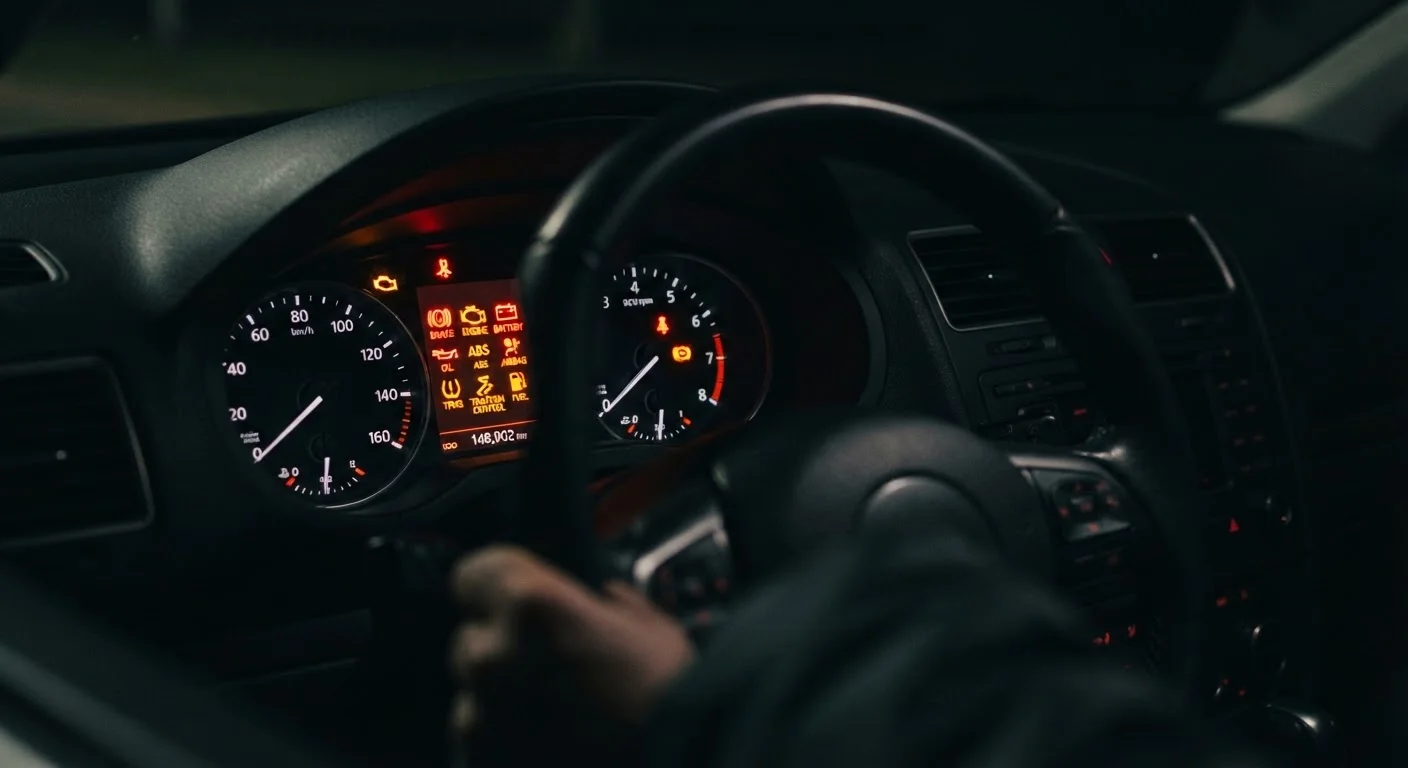
Photo credit: Wiseturt.com | Blogs Curated For You
In this article
Learn what dashboard warning lights actually mean, which ones need immediate attention, and when it's safe to keep driving.
How the Warning Light System Works
Your car's warning lights are part of the onboard diagnostics system - a network of sensors that constantly monitors engine performance, fluid levels, electrical systems, and more. When something falls outside normal operating range, a sensor triggers a signal, and a light appears on your dashboard.
Lights generally fall into three urgency levels, based on color:
- Red: Stop or act immediately. These indicate conditions that can cause injury or rapid, severe damage if ignored.
- Yellow/Amber: Service needed soon. Something is outside normal range, but you likely have time to schedule a mechanic visit.
- Green or Blue: Informational only - confirms a system (like high beams or turn signals) is active.
Color alone isn't a perfect guide - always consult your owner's manual for your specific vehicle. See how to navigate your owner's manual for help finding the right section.
OBD-II
On-Board Diagnostics, second generation - a standardized system used in most vehicles sold in the US after 1996. When a warning light triggers, the system stores a fault code that a scanner can read to identify the problem area.
TPMS
Tire Pressure Monitoring System - sensors inside each wheel that alert you when tire pressure drops below a safe threshold, typically 25% under the recommended level.
Fault Code
A numeric or alphanumeric code stored by the OBD-II system when a sensor detects a problem. Codes help mechanics identify which system or component triggered a warning light.
Coolant
A fluid that circulates through the engine and radiator to regulate operating temperature. Low or degraded coolant is a common cause of engine overheating.
Charging System
The alternator, battery, and related components that keep your car's electrical systems powered while the engine runs. A fault here means the battery is not being recharged.
The Lights That Demand Immediate Attention
If any of the following appear while driving, pull over safely as soon as possible and turn off the engine.
| Red light urgency | Stop driving as soon as safely possible |
| Amber light urgency | Schedule mechanic visit within days |
| Most common warning light | Check Engine (CEL) |
| TPMS trigger threshold | ~25% below recommended tire pressure (US NHTSA TPMS standard) |
| OBD-II applies to | Most US vehicles model year 1996 and newer (US EPA mandate) |
| Correct inflation reference | Driver's door jamb sticker, not tire sidewall |
- Oil Pressure Warning (red oil can): Engine oil pressure has dropped critically low. Continuing to drive can seize the engine within minutes. Check oil level first; if normal, do not restart - call for assistance.
- Engine Temperature Warning (red thermometer): The engine is overheating. Pull over, turn off the engine, and let it cool completely before checking coolant. Do not open the radiator cap while hot.
- Battery/Charging System (red battery icon): The charging system isn't keeping the battery topped up. Your car may continue running briefly on battery reserve, but it will eventually shut down. Get to a mechanic promptly.
- Brake System Warning (red exclamation in circle or "BRAKE"): Could indicate low brake fluid, a brake system fault, or that the parking brake is engaged. Release the parking brake first; if the light stays on, stop driving and have brakes inspected.
For high-mileage vehicles, these lights may signal deeper underlying issues. Keeping an older car road-worthy means staying especially alert to these signals.
Amber Lights: Schedule a Mechanic Visit
These lights don't require you to stop immediately, but they shouldn't be ignored for weeks on end. Delaying service often turns a minor fix into a costly repair.
- Check Engine (amber engine outline): One of the most common and most misunderstood lights. It can signal anything from a loose gas cap to a misfiring cylinder. A mechanic can read the stored diagnostic code with an OBD-II scanner to pinpoint the cause. Don't assume it's minor - and don't assume it's catastrophic.
- Tire Pressure (TPMS - horseshoe with exclamation): One or more tires are significantly under-inflated. Check pressure at a gas station and inflate to the level listed on the sticker inside your driver's door jamb, not the number on the tire sidewall.
- Low Fuel: Self-explanatory, but consistently running to empty can shorten fuel pump life over time.
- Traction Control / Stability Control: If flashing while driving, the system is actively working - normal in slippery conditions. If it stays on solid, the system may be disabled or faulty.
New drivers should build the habit of never dismissing amber lights. First-time owners' maintenance basics covers how to build these habits early.
What to Do When a Light Comes On
Stay calm and run through these steps:
- Note which light it is and whether it's red or amber.
- Check if there are any obvious symptoms - unusual sounds, smells, or handling changes.
- If red: pull over safely and turn off the engine. Call for roadside assistance if needed.
- If amber: reduce stress on the vehicle (avoid heavy acceleration or towing) and schedule a diagnostic appointment within a few days.
- Look up the symbol in your owner's manual or the manufacturer's app for your exact vehicle's definition.
An independent mechanic can read your vehicle's stored fault codes with an OBD-II scanner. Many auto parts retailers will do this at no charge, though interpreting the code accurately still requires professional judgment.
Keeping up with routine services - especially oil changes - reduces how often warning lights appear. What every driver should know about oil changes explains why this single service has such broad impact on engine health.
This article is for general informational purposes only. Dashboard warning lights vary by make, model, and year - always refer to your vehicle's owner's manual and consult a qualified mechanic for diagnosis and repair decisions.

Author
Auto Editorial Team
Auto Editorial Team is the collective byline for our editorial team and contributor network. Articles published under this byline or an editorial pen name are researched, written, and reviewed according to our editorial standards for clarity, consistency, and independence before publication.
View all articles →