
Why Buyers Regret Their Car Purchase - and the Patterns Behind It
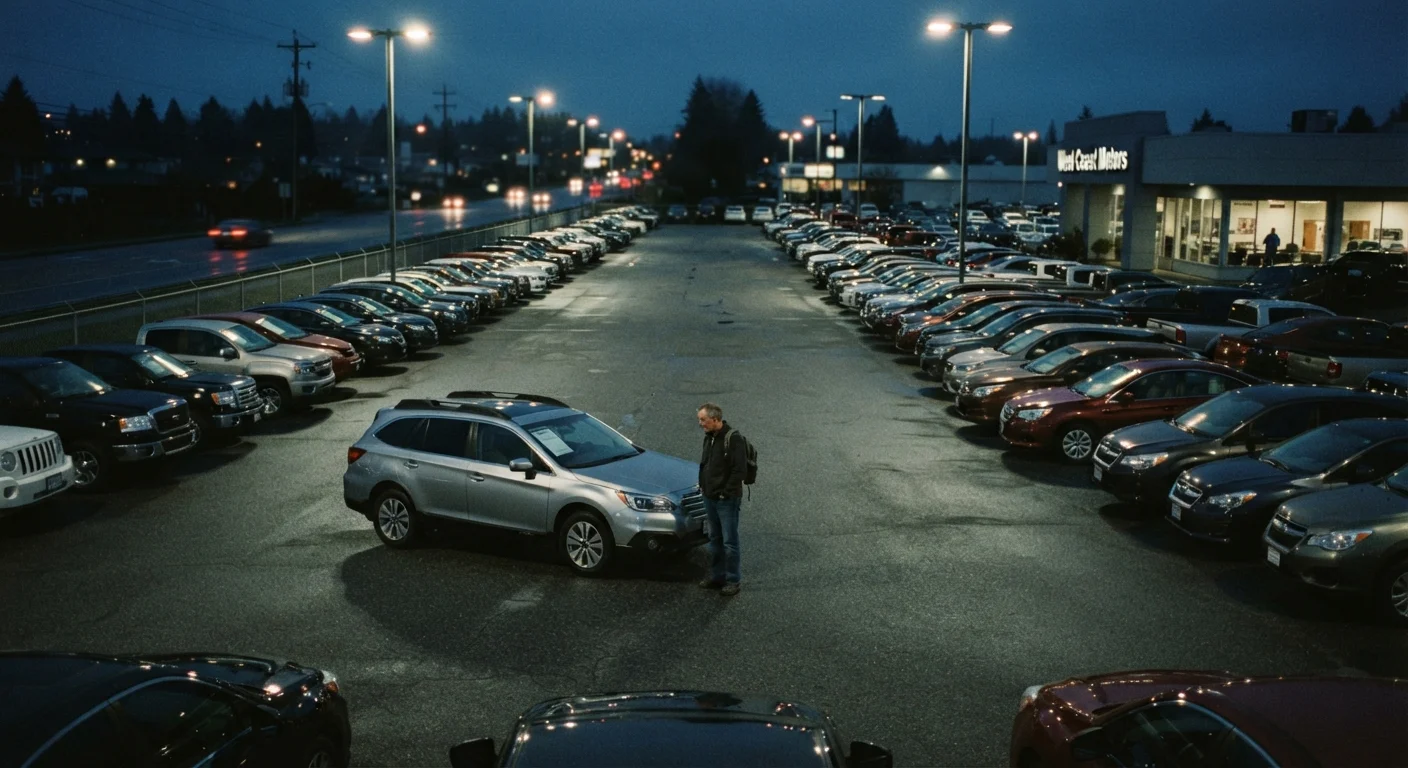
Photo credit: Wiseturt.com | Blogs Curated For You
Rushed decisions and overlooked costs are behind most car-buying regret. Understanding these patterns can help you slow down in the right places.
Key Takeaways
- Rushing through financing details is one of the most common sources of lasting regret.
- Buyers often choose the wrong vehicle class because they rely on habit rather than actual needs.
- Total ownership cost - not just the sticker price - determines whether a purchase stays comfortable.
- Skipping a test drive on real-world routes leaves buyers unprepared for daily use realities.
- Emotional pressure at the dealership frequently overrides research done at home.
The Gap Between the Lot and Real Life
Car-buying regret is more common than most people admit. Survey data consistently shows a significant share of buyers feel some level of dissatisfaction within the first year of ownership - not because the vehicle is defective, but because the decision was made under conditions that didn't reflect how the car would actually be used.
The patterns behind that regret are predictable. They tend to cluster around a few key moments: the vehicle selection phase, the financing conversation, and the moment the buyer feels social or situational pressure to close the deal. Understanding where things typically go wrong is more useful than any checklist - because the real problem is usually a mental shortcut taken under stress.
These same patterns show up in other big purchases too. Coverage decisions people regret follow a remarkably similar arc: a rushed choice, overlooked details, and a cost that only becomes visible when it's too late to change course.
Focusing on the monthly payment instead of the total cost of the loan.
Why it happens: Monthly payments are easier to compare to a current budget, and dealerships often lead with this number because it obscures the loan's true cost.
Skipping a test drive on routes that reflect actual daily use.
Why it happens: Test drives on dealership-approved routes are short and low-stress, making almost any vehicle feel acceptable in the moment.
Choosing a vehicle class based on habit or image rather than actual need.
Why it happens: Most people buy the same category of vehicle they've always owned, or choose based on what they want a car to say about them - neither of which reflects current practical requirements.
Ignoring ownership costs beyond the purchase price.
Why it happens: Sticker price and loan terms dominate attention during shopping, while insurance rates, fuel costs, and maintenance schedules stay invisible until after the sale.
Agreeing to add-ons or extended warranties under dealership pressure.
Why it happens: The financing office is the last step in an already long, tiring process, and buyers are conditioned by that point to say yes to keep things moving.
How to Build a Better Decision Process
The antidote to most of these mistakes isn't more research - it's structured research at the right time. Separating the vehicle choice from the financing conversation, for example, prevents dealers from reframing the entire negotiation around a monthly payment you find comfortable rather than a total price that makes sense.
~1 in 4
Car buyers who report post-purchase regret
Consumer research on vehicle satisfaction consistently finds a meaningful share of buyers express regret within the first 12 months, often citing cost or poor fit.
72-84 months
Common loan terms that extend financial exposure
Longer loan terms have become widespread in the US auto market, increasing the period during which buyers may owe more than the vehicle is worth.
One practical approach: establish your ownership budget before stepping onto any lot. This means calculating insurance, likely fuel costs, registration fees, and estimated maintenance - not just the loan payment. Buyers who skip this step often discover that a vehicle that fit the payment doesn't fit the month.
It's also worth examining whether your assumed vehicle class actually matches your life. Assumptions that steer buyers toward the wrong vehicle class are surprisingly common - people default to what they've always owned, or what signals a certain image, rather than what genuinely suits their commute, family size, or cargo needs.
Finally, recognize the role of in-the-moment pressure. Impulse buying mechanics don't disappear just because you're making a $30,000 purchase. Dealership environments are designed to create urgency. Naming that pressure when you feel it - and giving yourself a built-in pause before signing - is one of the most practical tools available to any buyer.
Urgency Tactics Are a Signal, Not a Fact
Phrases like 'this deal ends today' or 'someone else is looking at this car' are common dealership pressure techniques. In most cases, the offer can be revisited or a comparable vehicle found elsewhere. If you feel rushed, that feeling itself is worth pausing on - not acting on.

Author
Auto Editorial Team
Auto Editorial Team is the collective byline for our editorial team and contributor network. Articles published under this byline or an editorial pen name are researched, written, and reviewed according to our editorial standards for clarity, consistency, and independence before publication.
View all articles →