
Assumptions That Lead Buyers to the Wrong Vehicle Class
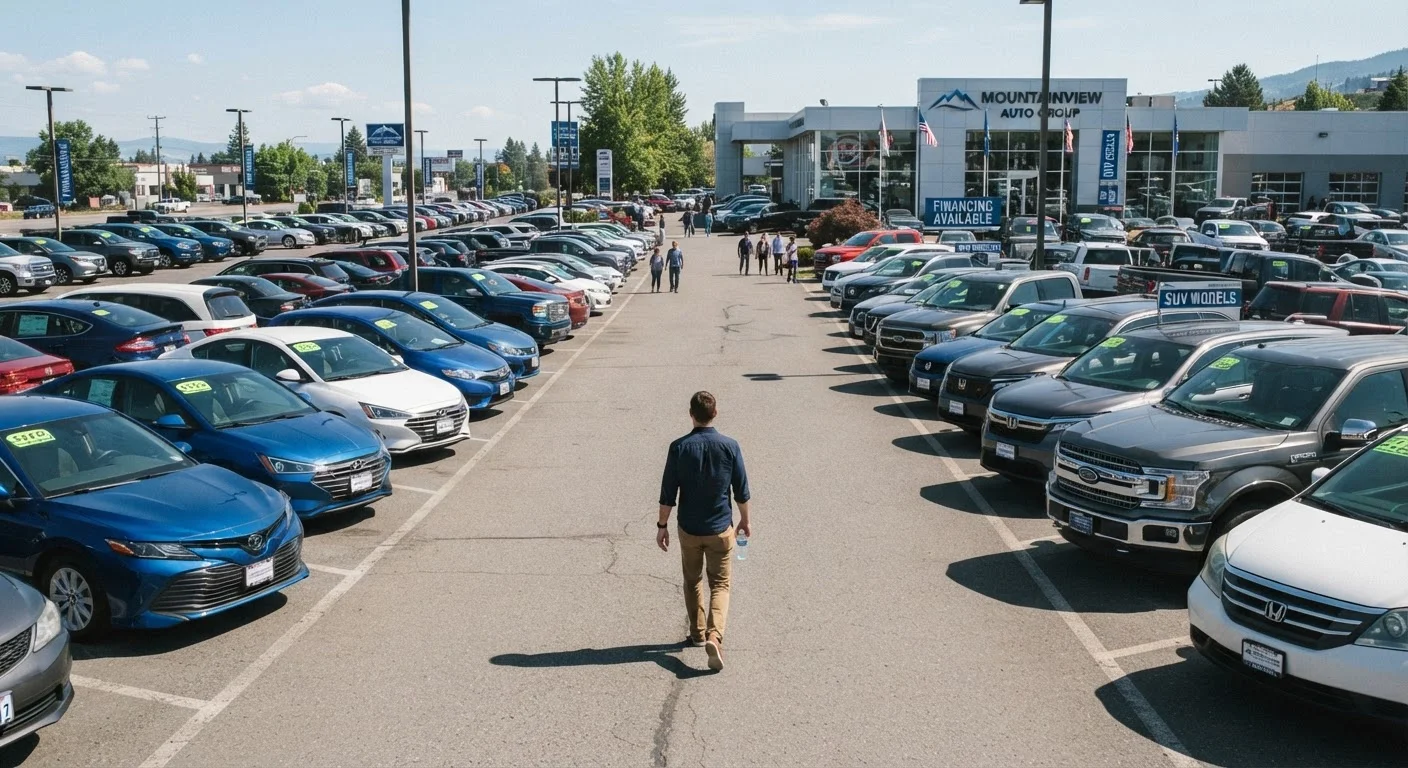
Photo credit: Wiseturt.com | Blogs Curated For You
In this article
Many car buyers lock onto a body style too early based on habit or image. These are the most common misjudgments and how to reconsider them.
Key Takeaways
- Most buyers settle on a vehicle class before honestly evaluating their real daily needs.
- SUVs are not always more practical than sedans or wagons for everyday use.
- Truck ownership costs and limitations often surprise buyers who rarely haul or tow.
- Minivans consistently outperform SUVs on passenger space and family utility per dollar.
- Cargo needs, fuel costs, and parking realities should all factor into class selection.
- Taking a vehicle class for a realistic test drive-not just around a block-reveals a lot.
Why Vehicle Class Decisions Go Wrong Early
Most buyers arrive at a dealership with a body style already in mind. They want an SUV because they've always driven one, or a truck because it projects capability they may never actually use. The problem is that this mental shortcut happens before any real evaluation of how the vehicle will be used day to day.
Vehicle class shapes nearly every aspect of ownership: fuel costs, parking ease, cargo practicality, insurance rates, and long-term comfort. Locking onto the wrong class early means those factors get rationalized rather than honestly weighed. The result, for many buyers, is regret. See why car-buying regret follows predictable patterns to understand how this plays out.
If you're starting from scratch, a structured overview of vehicle types can ground your thinking before assumptions take hold.
Choosing an SUV by default because it feels like the practical, safe choice for any lifestyle.
Why it happens: SUVs dominate advertising and parking lots, making them feel like the obvious all-purpose option. Buyers assume bigger means more capable, even when their actual use case doesn't require it.
Buying a full-size pickup truck based on occasional hauling or towing needs.
Why it happens: Trucks carry a strong aspirational image, and buyers justify them based on rare use cases-moving furniture once a year, towing a small trailer-while underweighting daily driving costs.
Ruling out minivans based on image or perception rather than actual capability.
Why it happens: Minivans carry a cultural stigma that has persisted despite significant improvements in features, ride quality, and versatility. Many buyers dismiss them before comparing cargo volume and seating flexibility.
Selecting a vehicle class based on a previous car rather than current life circumstances.
Why it happens: Habit is a powerful default. Buyers who have always owned sedans or trucks tend to return to the same class even when their household size, commute, or storage needs have changed.
Overweighting towing or off-road specs that will rarely or never be used.
Why it happens: Manufacturers prominently market maximum capabilities, and buyers equate high specs with value. Many choose a capable 4WD truck or SUV for commutes that never leave paved roads.
The Hidden Costs of the Wrong Class
Choosing the wrong vehicle class doesn't just affect driving enjoyment-it affects your wallet consistently over years of ownership. Larger vehicles typically carry higher insurance premiums, consume more fuel, and cost more to maintain. A buyer who chose a full-size truck for occasional weekend projects but commutes 40 miles daily will feel that mismatch at the pump every week.
~20%
Fuel economy gap between large SUVs and mid-size crossovers
EPA data consistently shows a meaningful mpg difference between full-size body-on-frame SUVs and unibody crossovers in the same market segment.
1 in 3
Car buyers who report post-purchase regret
Multiple consumer surveys conducted by automotive research organizations suggest roughly one-third of buyers wish they had chosen differently within the first year of ownership.
Cargo assumptions are another culprit. Many buyers overestimate how much interior space they actually need. A mid-size crossover's cargo area, for example, is often comparable to or larger than many three-row SUVs when the rear seats are folded-yet buyers gravitate toward the bigger vehicle based on perceived need rather than measured reality.
It's also worth noting that insurance costs vary significantly by vehicle class, not just by model. Understanding how insurance coverage decisions work can help you factor that into any class comparison.
Don't Mistake a Test Drive Loop for Real-World Evaluation
A short spin around a dealership block tells you almost nothing about how a vehicle class fits your life. Before committing, try to drive the vehicle in conditions that mirror your actual use-highway commuting, tight parking lots, or loading gear. Many dealers allow extended test drives; it's worth asking.
The full buying-a-car resource covers how to build a complete cost picture before committing to any vehicle.
Rethinking the Class Before You Shop
The most effective way to avoid a class mismatch is to write down your three most common driving scenarios before visiting a dealer-not your aspirational ones. If two of three involve urban commuting and school pickup, that should anchor the decision more than the one annual camping trip.
Minivans are a good example of a class that loses buyers to assumption. The stigma is largely outdated. Most minivan criticisms don't hold up to scrutiny, and families who switch from large SUVs frequently report better value and practicality.
Similarly, buyers drawn to high-tech trim packages should consider whether those features will actually be used. Many standout features go largely untouched, and paying for them through a larger, more expensive vehicle class compounds the cost.
Once you've settled on the right class, the lease vs. buy decision becomes much easier to navigate with clarity.

Author
Auto Editorial Team
Auto Editorial Team is the collective byline for our editorial team and contributor network. Articles published under this byline or an editorial pen name are researched, written, and reviewed according to our editorial standards for clarity, consistency, and independence before publication.
View all articles →