
Pickup Trucks as Daily Drivers: The Real Trade-Offs
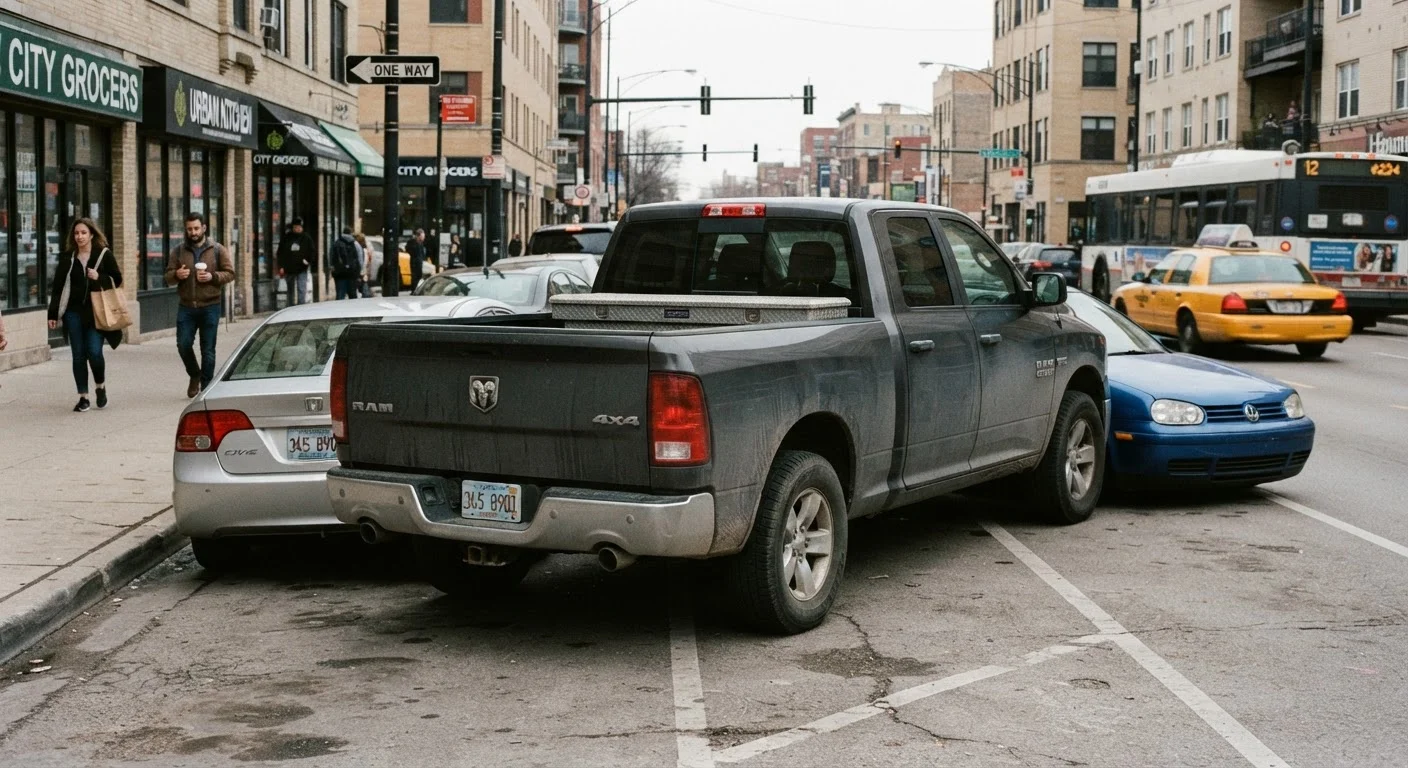
Photo credit: Wiseturt.com | Blogs Curated For You
In this article
Pickup trucks offer genuine utility, but they come with real compromises in fuel economy, parking, and maneuverability for everyday commutes.
Key Takeaways
- Pickup trucks offer genuine towing and hauling capability that sedans and SUVs cannot match.
- Fuel economy is consistently lower in full-size trucks compared to most other daily-driver options.
- Parking, visibility, and maneuverability are real challenges in urban and suburban environments.
- Crew cab configurations seat five or more, making trucks surprisingly practical for families.
- Sticker prices and insurance costs for trucks tend to run higher than comparable non-truck vehicles.
Exceptional towing and payload capacity
Half-ton trucks are rated to tow thousands of pounds and carry substantial cargo, covering tasks that SUVs and crossovers simply cannot handle at the same scale.
Crew cab models seat five comfortably
Modern crew cab configurations offer rear legroom comparable to many mid-size sedans, making trucks a workable family vehicle without sacrificing utility.
Strong all-weather and off-road capability
Four-wheel-drive systems, high ground clearance, and available off-road packages mean trucks handle rough terrain, snow, and unpaved roads with confidence.
Open bed handles oversized or messy loads
Hauling lumber, mulch, or furniture is straightforward in a bed - no concern about damaging an enclosed cargo area or strapping awkward items to a roof rack.
Durable build often supports long service life
Trucks are engineered for work-duty cycles, and many owners report high mileage with regular maintenance, which can spread the cost of ownership over a longer period.
Lower fuel economy raises day-to-day costs
Full-size gasoline trucks typically return 15-20 mpg combined, which translates into meaningfully higher fuel spending over a year of commuting compared to cars or crossovers.
Parking is harder in urban and suburban settings
The width and length of full-size trucks can make standard parking spaces tight and structured garages difficult or impassable, adding stress to routine errands.
Higher purchase price and insurance costs
Full-size trucks command premium prices, and insurance costs often reflect the higher vehicle value and repair expenses - both factors that increase overall ownership cost.
Bed goes unused most of the time for many buyers
Research consistently shows a large share of truck owners rarely use the bed for hauling, meaning the primary utility that justifies the trade-offs often isn't fully realized.
Limited rear and side visibility without aids
The tall, long body creates larger blind spots than most passenger cars, requiring greater reliance on cameras and sensors for routine maneuvers.
What You Actually Get With a Pickup Truck
Pickup trucks occupy a unique space in the US vehicle market. They consistently rank among the highest-selling vehicles in the country, and for good reason - they are genuinely capable tools. A half-ton truck can typically tow between 8,000 and 13,000 pounds when properly equipped, and most full-size beds can carry between 1,500 and 2,300 pounds of payload. For contractors, weekend boat owners, or anyone who regularly moves equipment or materials, that utility is hard to replicate with any other vehicle class.
Modern trucks have also closed the comfort gap considerably. Crew cab models offer rear-seat legroom comparable to many sedans, and most trim levels now come with infotainment systems, driver-assist features, and noise insulation that would have seemed out of place in a work truck a decade ago. If you need to understand where trucks fit in the broader vehicle landscape, a comprehensive vehicle-class overview can help frame the comparison.
Exceptional towing and payload capacity
Half-ton trucks are rated to tow thousands of pounds and carry substantial cargo, covering tasks that SUVs and crossovers simply cannot handle at the same scale.
Crew cab models seat five comfortably
Modern crew cab configurations offer rear legroom comparable to many mid-size sedans, making trucks a workable family vehicle without sacrificing utility.
Strong all-weather and off-road capability
Four-wheel-drive systems, high ground clearance, and available off-road packages mean trucks handle rough terrain, snow, and unpaved roads with confidence.
Open bed handles oversized or messy loads
Hauling lumber, mulch, or furniture is straightforward in a bed - no concern about damaging an enclosed cargo area or strapping awkward items to a roof rack.
Durable build often supports long service life
Trucks are engineered for work-duty cycles, and many owners report high mileage with regular maintenance, which can spread the cost of ownership over a longer period.
The Costs You Might Underestimate
The sticker price of a new full-size truck frequently exceeds that of a comparable SUV or crossover, and the gap can be significant once you move into higher trim levels. Beyond the purchase price, fuel costs are a consistent pressure point. Most full-size, gasoline-powered pickup trucks return fuel economy in the range of 15-20 mpg combined - figures that add up quickly at the pump over a daily commute.
15-20 mpg
Typical combined fuel economy, full-size gas trucks
EPA fuel economy data shows most full-size half-ton trucks with gasoline V8 or turbocharged V6 engines falling in this range for combined city/highway driving.
~8,000-13,000 lbs
Typical max towing capacity, half-ton trucks
Manufacturer specifications for popular half-ton truck models show this range when properly equipped with the right engine, hitch, and tow package configurations.
Insurance premiums also tend to be higher for trucks, partly due to repair costs and the vehicle's value. If you're weighing how ownership or lease structure affects total cost, the real trade-offs between leasing and buying are worth understanding before you commit. And if you're trading in a current vehicle, be aware that common trade-in misconceptions can cost you money.
Lower fuel economy raises day-to-day costs
Full-size gasoline trucks typically return 15-20 mpg combined, which translates into meaningfully higher fuel spending over a year of commuting compared to cars or crossovers.
Parking is harder in urban and suburban settings
The width and length of full-size trucks can make standard parking spaces tight and structured garages difficult or impassable, adding stress to routine errands.
Higher purchase price and insurance costs
Full-size trucks command premium prices, and insurance costs often reflect the higher vehicle value and repair expenses - both factors that increase overall ownership cost.
Bed goes unused most of the time for many buyers
Research consistently shows a large share of truck owners rarely use the bed for hauling, meaning the primary utility that justifies the trade-offs often isn't fully realized.
Limited rear and side visibility without aids
The tall, long body creates larger blind spots than most passenger cars, requiring greater reliance on cameras and sensors for routine maneuvers.
Daily Driving: Where Trucks Struggle
The same dimensions that make trucks capable haul vehicles create friction in everyday environments. Standard parking spaces - typically 8.5 to 9 feet wide - are tight for a full-size truck that may measure 6.5 to 7 feet wide before mirrors. Structured parking garages add another layer of difficulty, with low clearance levels that some truck beds and cab heights cannot clear. Rear visibility is also limited without relying on backup cameras, and lane changes require more spatial awareness than smaller vehicles demand.
Parking Garage Clearance: A Practical Consideration
Many urban parking structures have clearance heights of 6.5 to 7 feet. Some full-size truck cab and bed configurations - particularly those with tonneau covers or bed accessories - can approach or exceed these limits. Before committing to a truck as a daily driver, it's worth checking the clearance specs of any garage you regularly use. This is especially relevant if you work in a downtown area or frequently visit large shopping centers.
Urban driving patterns also expose trucks' weight penalty. Heavier vehicles accelerate more slowly from stop lights and consume more fuel in stop-and-go traffic, where efficiency typically drops well below highway figures. For drivers curious about lower-emission alternatives, it's worth reviewing how EVs, hybrids, and gas vehicles compare in running costs. And for those who want the family-hauling utility without the truck-sized footprint, minivans deserve a second look before being dismissed.

Author
Auto Editorial Team
Auto Editorial Team is the collective byline for our editorial team and contributor network. Articles published under this byline or an editorial pen name are researched, written, and reviewed according to our editorial standards for clarity, consistency, and independence before publication.
View all articles →