
Plug-In Hybrid vs. Standard Hybrid: Which Architecture Does What
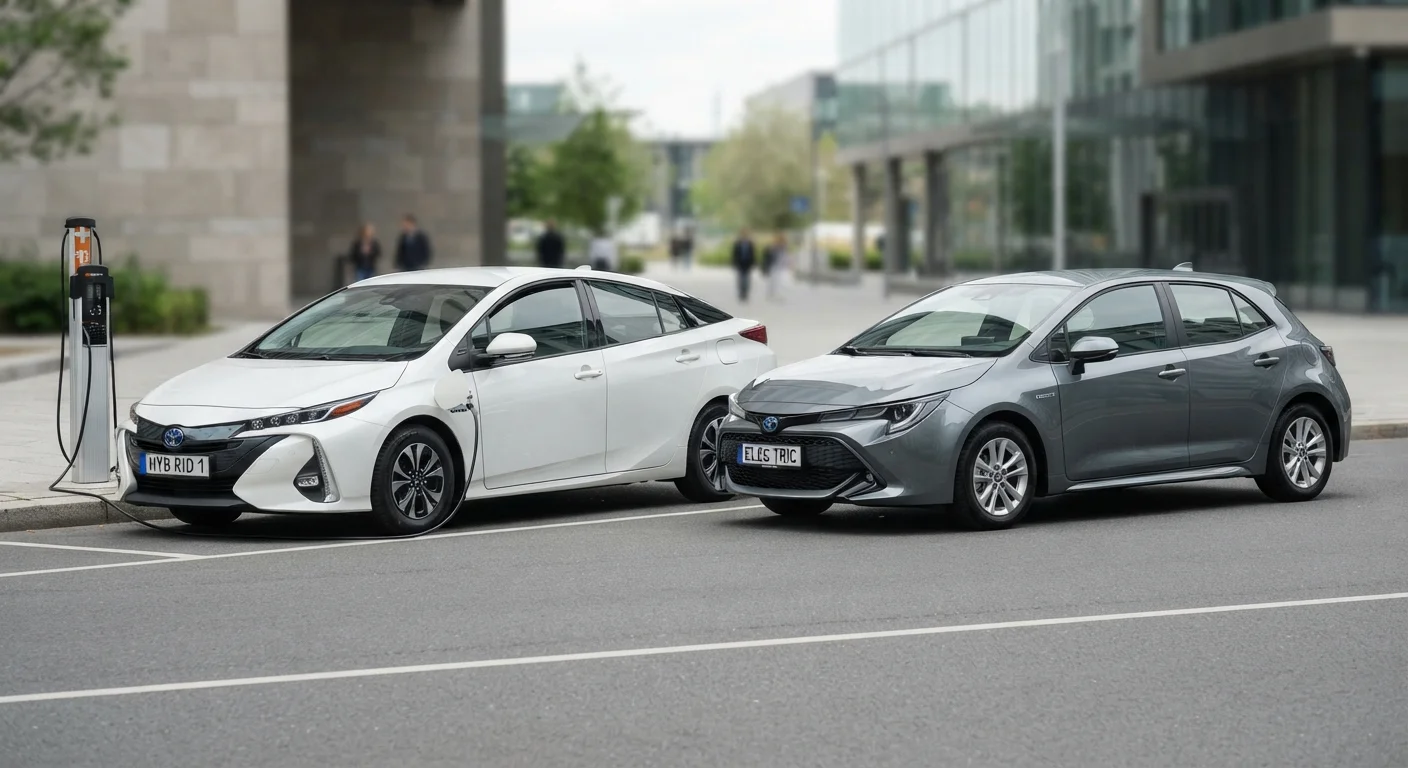
Photo credit: Wiseturt.com | Blogs Curated For You
PHEVs and HEVs are both called hybrids, but they work very differently. Understand the mechanics before assuming one suits your routine.
Key Takeaways
- PHEVs carry a larger battery that can be charged from an outlet, giving them a dedicated electric-only driving range.
- Standard hybrids recharge their smaller battery entirely through regenerative braking and the engine - no plug required.
- PHEVs typically cost more upfront but can reduce fuel spending significantly for drivers with short daily commutes.
- Standard hybrids are simpler to own and refuel exactly like a conventional gas car.
- Neither type eliminates the gas engine entirely; both still require regular fuel and traditional maintenance.
- The right choice depends on your daily mileage, access to charging, and how far you regularly drive between fill-ups.
How Each Architecture Works
Both vehicle types blend a gasoline engine with an electric motor and a battery pack - but the size of the battery and how it gets charged are where the two systems diverge entirely.
A standard hybrid (HEV) uses a relatively small battery that is charged passively: the electric motor acts as a generator during braking (a process called regenerative braking), and the gas engine contributes charge when conditions allow. The driver never plugs the car in. The system manages everything automatically, using the electric motor to assist the engine at low speeds or in stop-and-go traffic, then handing full control back to the engine on the highway.
A plug-in hybrid (PHEV) carries a much larger battery - typically four to fifteen times the capacity of a standard hybrid's pack. That extra storage makes a genuine electric-only driving mode possible, often ranging from 20 to 50 miles depending on the model. Once that charge is depleted, the vehicle behaves like a conventional hybrid. The battery is recharged by plugging into a Level 1 household outlet, a Level 2 home charger, or a public charging station.
For a broader view of how these two compare against fully electric and traditional gas vehicles, see this side-by-side look at EVs, hybrids, and gas cars.
| Criterion | Plug-In Hybrid (PHEV) | Standard Hybrid (HEV) |
|---|---|---|
| Battery size | Large (supports EV-only mode) | Small (assist only) |
| Charging method | External plug + regenerative braking | Regenerative braking only |
| Electric-only range | Typically 20-50 miles | None (brief low-speed assist) |
| Fuel needed | Yes (after battery depletes) | Yes (always) |
| Typical upfront cost | Higher | Lower |
| Best fuel economy achieved when | Battery is regularly recharged | Driving in stop-and-go traffic |
| Home charging infrastructure needed | Recommended | Not required |
Real-World Implications for Everyday Drivers
The architecture differences translate into meaningful practical trade-offs that depend almost entirely on how and where you drive.
Fuel economy: Standard hybrids consistently deliver strong mpg figures - often 40-55 mpg in combined driving - regardless of trip length or charging habits. PHEVs can post dramatically lower fuel consumption if the battery is regularly recharged, but if a PHEV owner rarely plugs in, the vehicle's efficiency often falls below that of a standard hybrid because the heavier battery adds weight without being utilized.
Charging infrastructure: HEV owners need no charging setup at all - the car handles its own energy recovery. PHEV owners benefit most when they can charge overnight at home or during the workday. Without reliable charging access, a PHEV's cost advantage largely disappears.
Upfront and ongoing costs: PHEVs typically carry a higher sticker price due to their larger battery systems. However, federal and state tax incentives have historically been available for PHEVs (and not for standard hybrids) in the US, which can offset part of that gap. Tax credit eligibility changes over time and depends on individual tax situations - consult a tax professional for guidance on current rules.
20-50 mi
Typical PHEV electric-only range
EPA estimates for most PHEV models on sale in the US market vary widely based on battery capacity and vehicle weight.
40-55 mpg
Typical standard hybrid combined fuel economy
EPA combined ratings for popular HEV models in the US; actual results vary by driving conditions and habits.
Standard hybrids involve fewer charging-related components, which some owners find simpler to manage over the vehicle's life. Both types still require conventional maintenance: oil changes, brake service (though brake wear is reduced by regenerative braking), and engine upkeep.
If you're weighing these factors as part of a broader buying decision, the buying a car hub covers financing, timing, and other key considerations. You might also find it useful to review leasing vs. buying trade-offs before committing to either hybrid type.
Battery Warranty Considerations
Most hybrid and plug-in hybrid vehicles sold in the US come with a federal minimum battery warranty of 8 years or 100,000 miles, whichever comes first. Some states and manufacturers offer longer coverage. Before purchasing, confirm the specific battery warranty terms for the model you're considering, as coverage details and exclusions vary.

Author
Auto Editorial Team
Auto Editorial Team is the collective byline for our editorial team and contributor network. Articles published under this byline or an editorial pen name are researched, written, and reviewed according to our editorial standards for clarity, consistency, and independence before publication.
View all articles →