
Micronutrients: The Vitamins and Minerals Most Americans Fall Short On
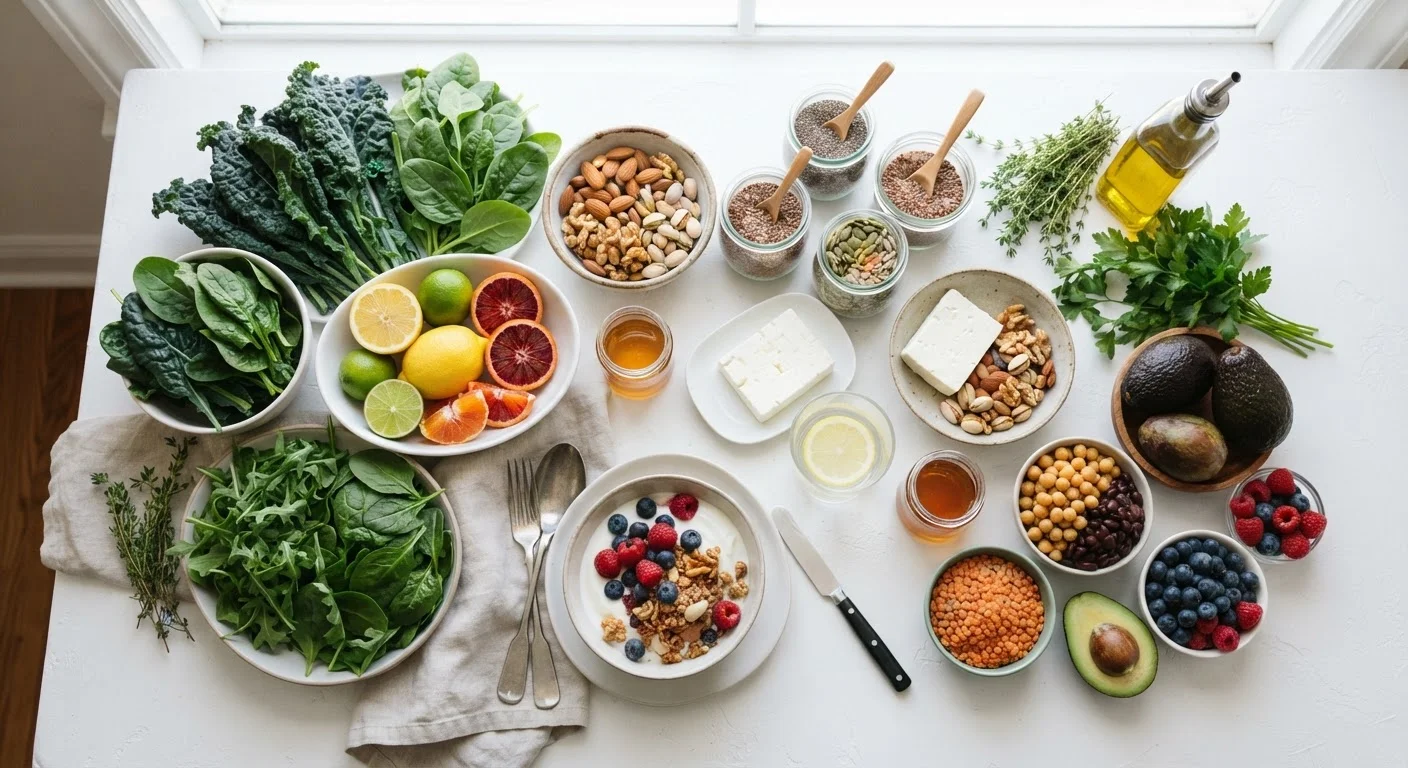
Photo credit: Wiseturt.com | Blogs Curated For You
In this article
A reference guide to key vitamins and minerals, what they do, and which ones are commonly under-consumed in typical US diets.
Why Micronutrients Matter More Than Most People Realize
Macronutrients - carbohydrates, proteins, and fats - tend to dominate nutrition conversations, but the vitamins and minerals your body requires in smaller amounts are equally critical for health. These compounds, collectively called micronutrients, drive hundreds of biological processes: building bone, producing energy, regulating immune response, and converting food into usable fuel.
Unlike macronutrients, most micronutrients cannot be made by the body in meaningful quantities. That means diet is the primary source - and for many Americans, the diet falls short. National dietary surveys consistently show that a substantial portion of the US population does not meet recommended intakes for several key nutrients. This is general nutrition information; for guidance specific to your health situation, consult a qualified healthcare professional.
To understand the bigger picture of how individual nutrients fit into overall eating patterns, see how macronutrients work in the body.
| Nutrients classified as US shortfall nutrients | Vitamin D, Calcium, Potassium, Magnesium, Vitamin A, Iron (among others) (Dietary Guidelines for Americans, 2020-2025) |
| Primary source of vitamin D in typical US diet | Fortified dairy and plant-based milks, fatty fish (NIH Office of Dietary Supplements) |
| Magnesium-rich food category most displaced by processing | Whole grains (refining removes significant magnesium) (USDA nutrient data) |
| Population group at highest iron insufficiency risk | Women of reproductive age (CDC National Health and Nutrition Examination Survey (NHANES)) |
| Best dietary strategy for micronutrient coverage | Varied whole-food diet including diverse produce, legumes, and whole grains (Dietary Guidelines for Americans, 2020-2025) |
The Most Commonly Under-Consumed Nutrients in the US
Federal dietary data repeatedly identifies the same cluster of micronutrients as shortfall nutrients - those under-consumed at population levels in the United States.
~90%
Americans falling short on vitamin D and potassium
According to the Dietary Guidelines for Americans 2020-2025, the vast majority of the US population does not meet recommended intakes for these nutrients.
>40%
US adults with insufficient magnesium intake
Analysis of NHANES data indicates that a large share of American adults consume less than the Estimated Average Requirement for magnesium.
~10 million
Americans with iron deficiency (estimated)
The CDC estimates roughly 10 million Americans are iron deficient, with women of childbearing age disproportionately affected.
Vitamin D
Vitamin D supports calcium absorption, bone health, and immune function. Because relatively few foods naturally contain it in significant amounts, and because modern indoor lifestyles limit sun exposure, deficiency is widespread. Fatty fish, egg yolks, and fortified dairy or plant-based milks are the primary dietary sources.
Calcium
Calcium is essential for bone density, muscle contraction, and nerve signaling. Dairy foods are the most concentrated sources, but leafy greens such as kale and bok choy, fortified plant milks, and canned sardines (with bones) are meaningful alternatives.
Potassium
Potassium helps regulate blood pressure and fluid balance. Beans, lentils, potatoes, bananas, and dark leafy greens are among the richest sources. Most Americans consume well below the Adequate Intake level, partly because ultra-processed foods - which dominate much of the US diet - are low in potassium.
Magnesium
Magnesium participates in more than 300 enzymatic reactions, including energy production and protein synthesis. Nuts, seeds, whole grains, and legumes supply it well. Refined grain processing strips much of the magnesium naturally present in wheat and other grains.
Vitamin A
Vitamin A (from preformed retinol in animal foods, or provitamin A carotenoids in plants) is critical for vision, immune defense, and cell growth. Orange and yellow vegetables, leafy greens, dairy, and liver are key sources. Low-income populations and those who rarely eat vegetables are at greatest risk of insufficiency.
Iron
Iron carries oxygen in the blood and supports energy metabolism. Red meat, poultry, and seafood supply highly absorbable heme iron; beans, lentils, fortified cereals, and tofu provide non-heme iron, which is less readily absorbed. Women of reproductive age face the highest risk of iron insufficiency.
Reading food packaging accurately is part of meeting these needs - learn how nutrition labels can mislead shoppers so you can make better-informed choices at the store.
Practical Strategies for Closing the Gap
Supplements are widely marketed, but food-first approaches are generally preferred by nutrition researchers because whole foods deliver micronutrients alongside fiber, antioxidants, and other compounds that work synergistically. Supplements may be appropriate for specific populations or confirmed deficiencies - a healthcare provider can help determine whether supplementation makes sense for you.
- Diversify produce: Eating a wide variety of vegetables and fruits - especially deeply colored ones - naturally covers a broader range of vitamins and minerals than eating the same two or three options repeatedly.
- Choose whole over refined grains: Whole grains retain magnesium, B vitamins, and iron that refining removes.
- Include legumes regularly: Beans and lentils are among the most nutrient-dense, affordable foods available, contributing iron, potassium, magnesium, and folate.
- Don't neglect dairy or fortified alternatives: These remain the most practical sources of combined calcium and vitamin D in the US food supply.
Beverages also play a surprisingly significant role in nutritional balance. See how what you drink affects your overall diet.
For a structured approach to building a nutrient-complete kitchen, use this practical grocery checklist to guide your weekly shop.
Micronutrients
Vitamins and minerals the body needs in relatively small amounts to function properly. Unlike macronutrients, they do not provide calories but are essential for countless biological processes.
Recommended Dietary Allowance (RDA)
The average daily intake level estimated to meet the nutrient requirements of nearly all (97-98%) healthy individuals in a given life-stage and sex group, as established by the National Academies of Sciences, Engineering, and Medicine.
Shortfall Nutrient
A nutrient identified by federal dietary surveys as consistently under-consumed across a significant portion of the US population relative to recommended intake levels.
Heme Iron
The form of iron found in animal muscle tissue, which is absorbed more efficiently by the human body than non-heme iron from plant and fortified foods.
Provitamin A Carotenoids
Plant pigments such as beta-carotene that the body can convert into vitamin A. Found in orange, red, and dark green vegetables.
Adequate Intake (AI)
A reference value used when an RDA cannot be established due to insufficient evidence. It represents an assumed adequate intake based on observed or experimental data.
This article is for general informational and educational purposes only. It is not a substitute for professional medical advice, diagnosis, or treatment. Always consult a qualified healthcare provider before making changes to your diet or taking supplements, especially if you have an existing health condition.

Author
Health & Nutrition Editorial Team
Health & Nutrition Editorial Team is the collective byline for our editorial team and contributor network. Articles published under this byline or an editorial pen name are researched, written, and reviewed according to our editorial standards for clarity, consistency, and independence before publication.
View all articles →