
Weekly Grocery Shopping for Nutritional Balance: A Practical Checklist
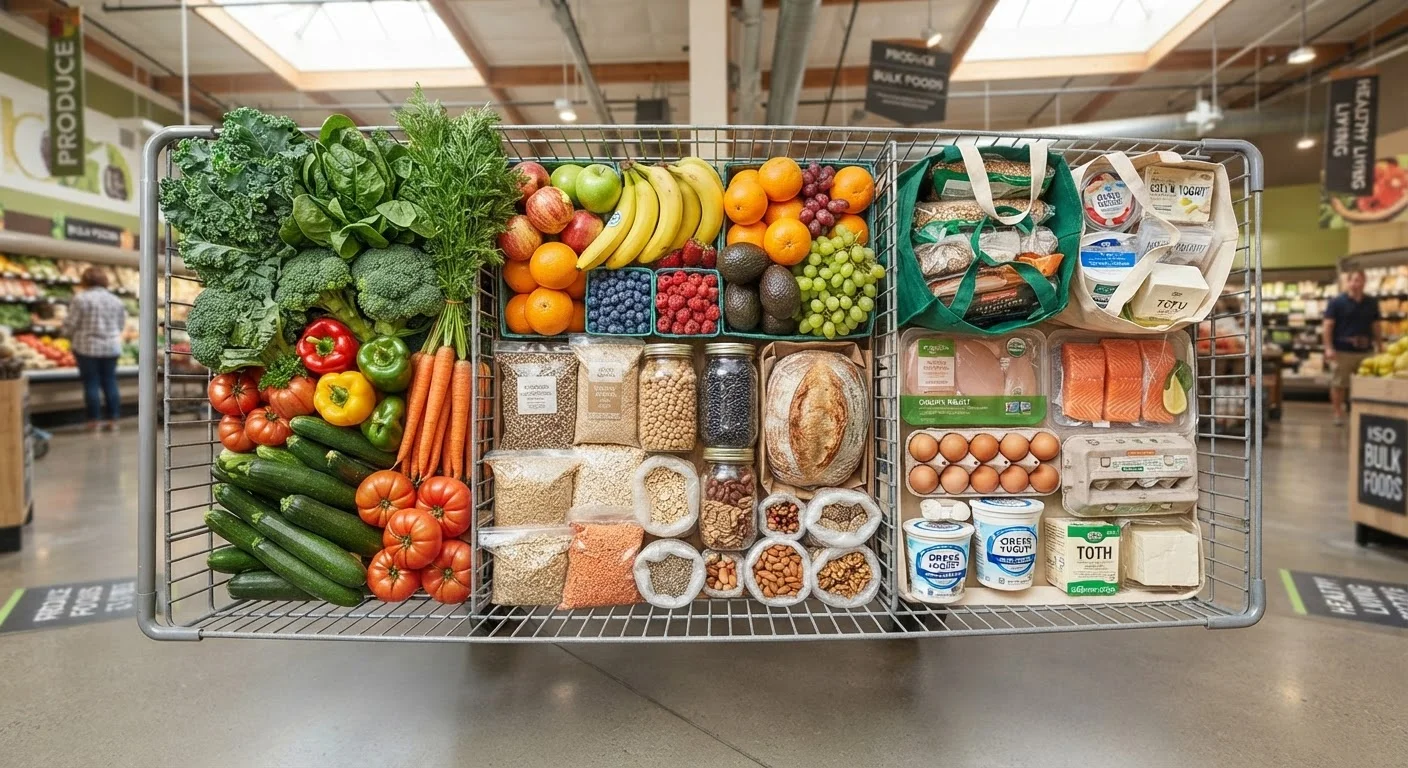
Photo credit: Wiseturt.com | Blogs Curated For You
In this article
Use this checklist to stock your kitchen with foods that cover essential food groups without overcomplicating your shopping routine.
Key Takeaways
- Organizing your list by food group before shopping reduces nutritional gaps at home.
- Frozen and canned options are nutritionally comparable to fresh and can lower weekly costs.
- Whole grains, legumes, and diverse produce are the most commonly under-purchased food categories.
- Protein variety - including plant-based sources - supports broader nutrient coverage.
- A consistent shopping routine makes nutritional balance easier to maintain week to week.
Why a Structured Shopping List Supports Nutritional Balance
Most nutritional gaps in American diets aren't the result of poor intentions - they're the result of inconsistent shopping habits. When we grab items reactively, we tend to repeat familiar choices and skip entire food groups without realizing it. A structured checklist changes that dynamic by prompting you to think in categories rather than individual items.
This checklist is organized around the major food groups recognized in general dietary guidance: vegetables, fruits, whole grains, proteins, dairy or fortified alternatives, and healthy fats. It isn't a rigid meal plan or a calorie prescription - it's a practical framework to make sure your kitchen is stocked with the building blocks of balanced eating.
For guidance on how these food groups translate into actual meals, see our guide to balanced plate proportions. And if cost is a consideration, our article on eating well on a budget covers evidence-informed approaches to nutritious shopping without overspending.
Frozen and Canned Don't Mean Nutritionally Inferior
A common misconception is that fresh produce always outperforms frozen or canned. In practice, frozen vegetables are typically flash-frozen at peak ripeness and retain most of their nutrient content. Canned legumes and fish are similarly convenient and nutritious - just look for options with no added salt or sugar, or rinse canned items before use. Don't let 'fresh only' thinking limit your options or inflate your grocery bill.
Your Weekly Grocery Checklist by Food Group
Work through each category below before or during your shopping trip. The goal is adequate coverage across groups - not perfection in any single one. Adjust quantities to your household size and preferences.
Vegetables
Fruits
Whole Grains & Starches
Protein Sources
Dairy or Fortified Alternatives
Healthy Fats & Pantry Staples
If you want to explore protein options beyond animal sources, our overview of plant-based protein sources breaks down nutritional profiles for common options like lentils, tofu, and edamame. For a deeper look at commonly under-consumed vitamins and minerals, consult our micronutrients reference guide.
Tools That Make This Checklist Easier to Use
You don't need special equipment to shop nutritionally - but a few simple tools can reduce friction and help this routine stick.
Notepad or digital notes app
Record your checklist and specific items before leaving home to prevent forgotten categories.
Reusable grocery bags
Organize purchases by food group during checkout to make unpacking and storage more systematic.
Pantry inventory list
Track what staples you already have so you avoid duplicating purchases and use up existing stock first.
Meal planner template
Map out two or three meals in advance to clarify exactly which items from each food group you'll actually use.
Making This a Sustainable Weekly Habit
A checklist only works if it becomes a repeatable routine. The most effective approach is to review this list once per week - ideally the evening before you shop - and build your specific list from it. Over time, you'll internalize the categories and spend less time planning.
Consistency Matters More Than Perfection
No single shopping trip needs to be nutritionally perfect. Research consistently suggests that dietary patterns over time - not individual meals or days - are the strongest predictor of nutritional outcomes. Aim to cover most food groups most weeks, and make incremental improvements rather than overhauling everything at once. Small, repeated changes build the habits that last.
Pay attention to what goes unused each week. Repeated waste in a category often signals that the items don't fit your actual cooking habits, not that you should stop buying from that group entirely. Swap specific items rather than eliminating categories.
For a broader view of your weekly health habits beyond nutrition, the weekly wellness self-check offers a structured way to evaluate sleep, activity, and stress alongside your eating patterns. And if snacking is part of your routine, understanding which snacking habits support balance can help you shop for those items more intentionally too.
This article is for general informational and educational purposes only and does not constitute medical or dietary advice. Individual nutritional needs vary. Consult a registered dietitian or qualified healthcare professional for guidance tailored to your specific health circumstances.

Author
Health & Nutrition Editorial Team
Health & Nutrition Editorial Team is the collective byline for our editorial team and contributor network. Articles published under this byline or an editorial pen name are researched, written, and reviewed according to our editorial standards for clarity, consistency, and independence before publication.
View all articles →