
Plant-Based Protein Sources and How They Stack Up Nutritionally
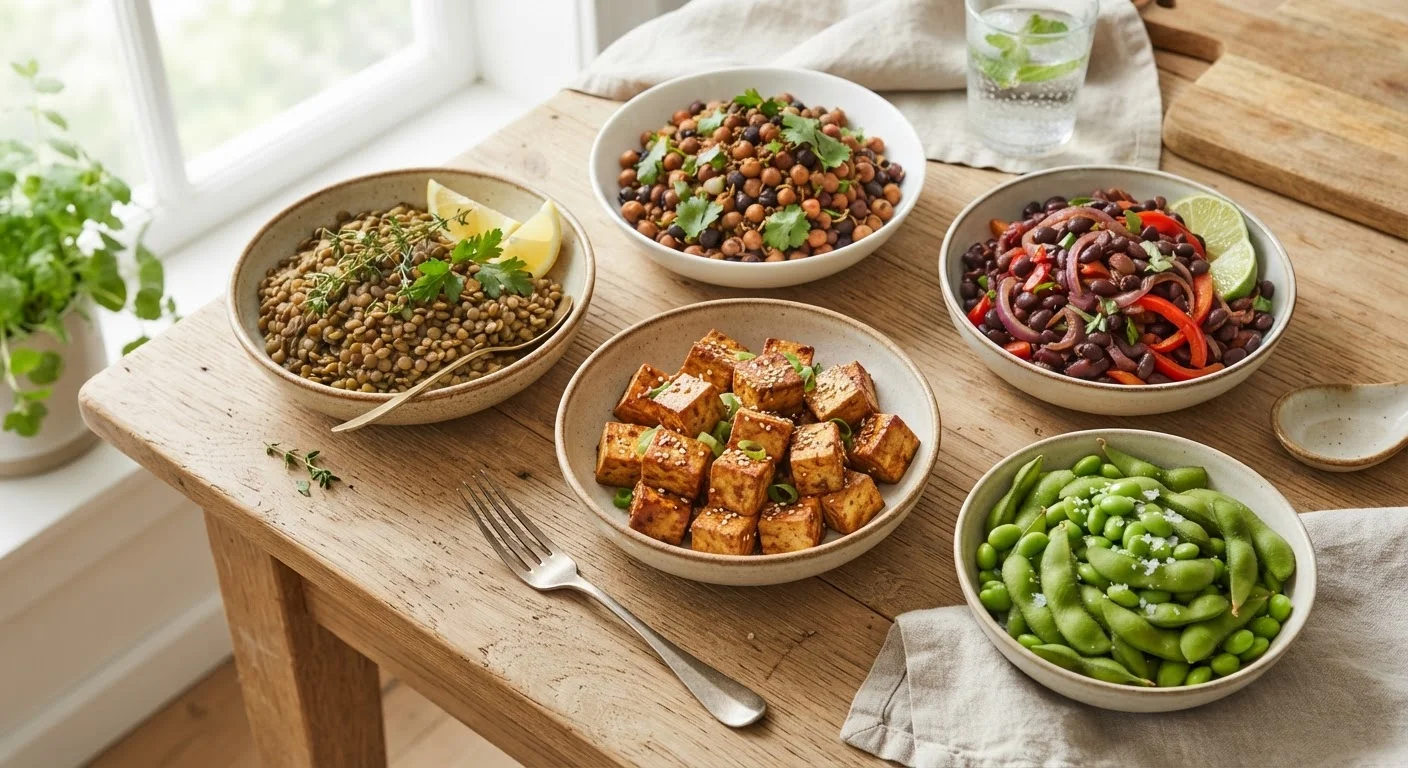
Photo credit: Wiseturt.com | Blogs Curated For You
In this article
From lentils to tofu to edamame, explore the protein content and nutritional profiles of common plant-based food sources.
Key Takeaways
- Lentils, edamame, tofu, and chickpeas are among the most protein-dense plant foods available.
- Most plant proteins are incomplete, meaning they lack one or more essential amino acids - but combining foods throughout the day can address this.
- Protein content varies significantly by preparation method and serving size.
- Plant-based proteins often deliver meaningful amounts of fiber, iron, and other micronutrients alongside their protein.
- Eating a variety of plant proteins is generally more effective than relying on a single source.
Why Plant Protein Deserves a Closer Look
Interest in plant-based eating has grown steadily, but questions about protein remain among the most common concerns for people considering a shift. The worry is understandable: protein is essential for muscle maintenance, immune function, enzyme production, and dozens of other physiological processes. The good news is that plants can be reliable protein contributors - if you know which ones to reach for and how they compare.
Understanding the nutritional profiles of different plant proteins helps you build meals that work, rather than leaving gaps in your diet. If you're just beginning to pay closer attention to what you eat, this practical starting point for intentional eating covers the foundational ideas worth knowing first.
This article is for general informational purposes only and does not constitute medical or dietary advice. Consult a registered dietitian or qualified healthcare professional for guidance specific to your health situation.
How Common Plant Proteins Compare
The table below reflects approximate values per cooked or prepared cup-equivalent serving, based on widely referenced nutritional data. Exact figures vary by preparation method, brand, and variety.
| Lentils | Edamame | Firm Tofu | Chickpeas | Black Beans | Tempeh | |
|---|---|---|---|---|---|---|
| Protein per cup (approx.) | 18g | 17g | 20g | 15g | 15g | 31g |
| Complete protein? | No | Yes | Yes | No | No | Yes |
| Fiber content | High (~16g) | Moderate (~8g) | Low (~1g) | High (~13g) | High (~15g) | Moderate (~5g) |
| Notable micronutrients | Folate, iron | Vitamin K, folate | Calcium (if set) | Manganese, folate | Iron, magnesium | Manganese, B vitamins |
| Typical cost | Very low | Low-moderate | Low-moderate | Very low | Very low | Moderate |
| Culinary versatility | High | Moderate | Very high | High | High | Moderate |
A few patterns stand out. Edamame (young soybeans) and lentils consistently deliver the most protein per serving among whole plant foods. Tofu's protein content varies notably between firm and silken varieties - firm tofu is significantly higher. Chickpeas and black beans offer a compelling fiber-protein combination that supports satiety.
Complete vs. Incomplete Proteins: What It Actually Means
One frequently cited limitation of plant proteins is that most are incomplete - they don't contain all nine essential amino acids in sufficient amounts on their own. Animal proteins are typically complete. However, this framing can be misleading in practice.
Soy-based foods - including edamame, tofu, and tempeh - are notable exceptions among plant sources, providing all essential amino acids. For other plant proteins, the strategy of complementing foods throughout the day (not necessarily within a single meal) effectively covers amino acid needs. Classic pairings like rice and beans or whole-grain bread with nut butter illustrate this principle.
You Don't Need to Combine at Every Meal
Older nutrition guidance suggested combining complementary proteins within a single meal. Current evidence suggests that as long as you eat a variety of plant proteins throughout the day, your body can assemble the amino acids it needs. Focus on variety over time rather than precise meal-by-meal pairing.
For those building plant-forward meals, practical plate-building frameworks offer a visual way to think about protein, grain, and vegetable proportions without complicated math.
Beyond Protein: The Full Nutritional Picture
Protein content alone doesn't tell the whole story. Each plant source brings a distinct micronutrient profile that adds meaningful value:
- Lentils are particularly rich in folate and iron, though the iron is non-heme (less readily absorbed than heme iron from meat). Pairing lentils with vitamin C-rich foods improves absorption.
- Edamame provides vitamin K, manganese, and folate alongside its protein content.
- Tofu (when made with calcium sulfate) is a useful non-dairy calcium source - relevant for those limiting dairy intake.
- Chickpeas and black beans contribute significant soluble and insoluble fiber, supporting digestive health.
- Tempeh, a fermented soy product, contains probiotics that may support gut health, though research continues to evolve on this.
~18g
Protein per cooked cup of lentils
Per USDA FoodData Central, cooked lentils are among the most protein-dense legumes by serving size.
31g
Protein per cup of tempeh
Tempeh's dense, fermented structure makes it one of the highest plant protein sources by volume.
Plant proteins are also generally lower in saturated fat than many animal protein sources, which is relevant context for overall dietary patterns - though individual needs vary.
Planning your weekly shop around these sources is simpler than it sounds. The weekly grocery checklist for nutritional balance can help you stock a kitchen that covers essential food groups consistently. Many of these foods - dried lentils, canned chickpeas, firm tofu - are also among the most cost-effective protein options available, as explored in this guide to eating well on a budget.

Author
Health & Nutrition Editorial Team
Health & Nutrition Editorial Team is the collective byline for our editorial team and contributor network. Articles published under this byline or an editorial pen name are researched, written, and reviewed according to our editorial standards for clarity, consistency, and independence before publication.
View all articles →