
Reading a Nutrition Facts Label Without the Confusion
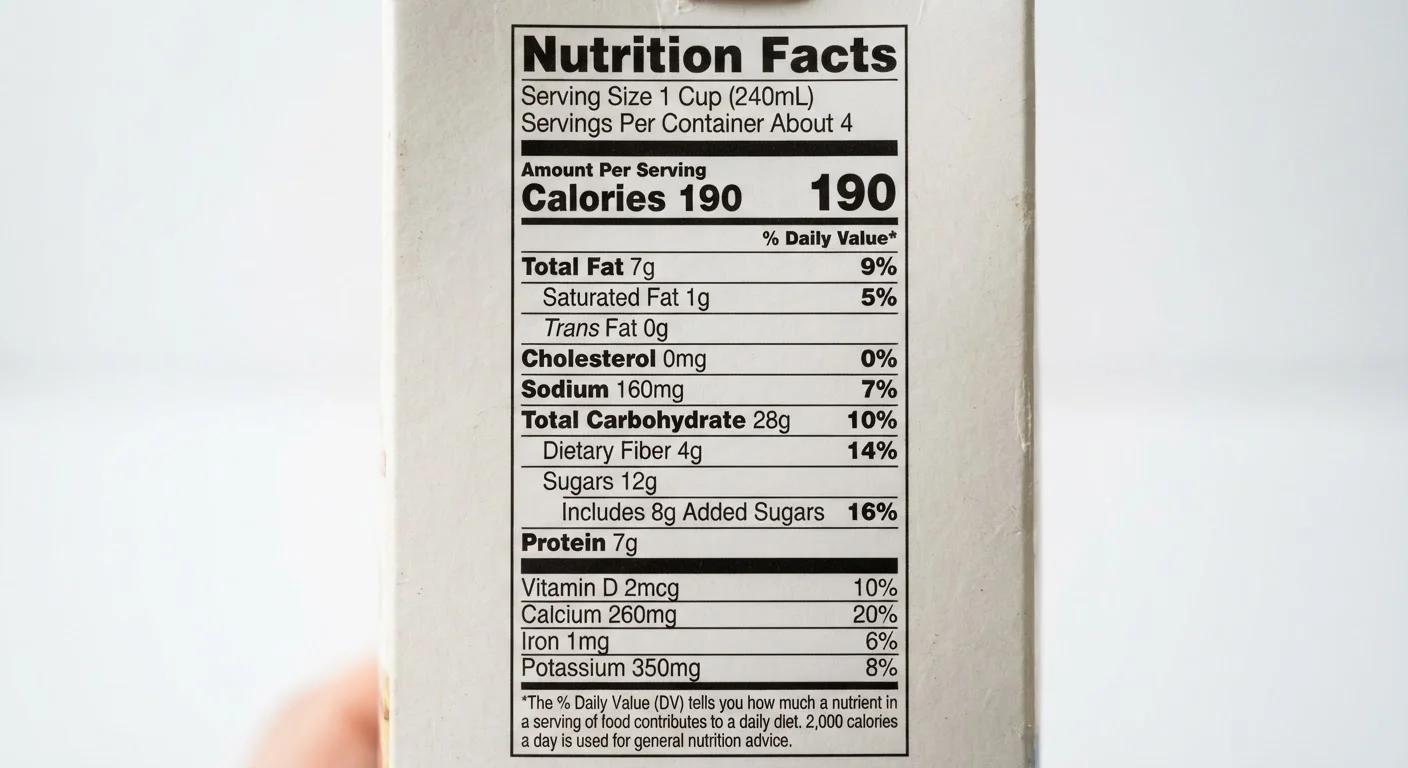
Photo credit: Wiseturt.com | Blogs Curated For You
In this article
A plain-language walkthrough of every section on a Nutrition Facts label so you can make more informed food choices.
Key Takeaways
- Serving size is the foundation of the label - all other numbers are based on it.
- Percent Daily Value (%DV) shows how much a nutrient contributes to a standard 2,000-calorie diet.
- Aim for less saturated fat, sodium, and added sugars; look for more fiber, vitamins, and minerals.
- Ingredients are listed by weight - what appears first is present in the largest amount.
- Front-of-package claims like 'low-fat' can be misleading; the Nutrition Facts panel tells the real story.
Why the Nutrition Facts Label Exists
The Nutrition Facts label is a federally standardized tool required on most packaged foods sold in the United States, regulated by the Food and Drug Administration (FDA). Its format was most recently updated in 2020 to reflect current nutrition science and make key information - like added sugars and updated serving sizes - easier to find at a glance.
Despite its standardized design, the label trips up many shoppers. Marketing language on the front of a package often conflicts with what the panel actually shows, and small serving sizes can make calorie and nutrient counts look deceptively low. Understanding the label's structure turns it from a wall of numbers into a useful decision-making tool.
Once you can read one label accurately, you can read any label - and start making comparisons that reflect what you're actually eating rather than what a product claims to be. For a broader framework on putting those comparisons into practice, building a balanced plate is a helpful next step.
A packaged food product
Provides the actual Nutrition Facts label you'll practice reading during this walkthrough.
Pen and notepad (or notes app)
Useful for jotting down nutrients you want to track or compare across products.
How to Read a Nutrition Facts Label, Step by Step
Work through the label from top to bottom - that order is intentional. Each section builds on the one above it, starting with how much food the numbers actually describe.
What you will need
Start With Serving Size and Servings Per Container
The very top of the label shows the serving size (e.g., "2 crackers" or "1 cup") and the number of servings per container. Every single number on the label - calories, fat, sodium - applies to one serving, not the whole package.
If a bag lists 3 servings and you eat the whole bag, multiply every number by 3. This single step prevents the most common label-reading mistake.
Read the Calorie Count in Context
Calories are displayed in large, bold text directly below the serving size. This number represents the total energy provided by one serving of the food.
Calories alone don't tell you whether a food is nutritious - a handful of almonds and a handful of candy may have similar calorie counts but very different nutritional profiles. Use calories as one data point, not the only one.
Scan the 'Limit These' Nutrients
The next section lists nutrients most Americans tend to consume in excess. Current federal dietary guidelines recommend limiting:
- Saturated fat - linked to cardiovascular health concerns at high intake levels
- Sodium - relevant for blood pressure management
- Added sugars - distinct from naturally occurring sugars found in fruit or dairy
For a deeper look at how different fats compare, see our guide on saturated, unsaturated, and trans fats.
Look for the 'Get Enough Of' Nutrients
Lower on the label you'll find nutrients many Americans fall short on. These include:
- Dietary fiber - supports digestive health and satiety
- Vitamin D, calcium, iron, and potassium - nutrients with established public health importance
Choosing foods with higher %DV for these nutrients across your day helps close common dietary gaps without needing to count milligrams.
Interpret the Percent Daily Value Column
The %DV column on the right side of the label shows what percentage of the recommended daily intake for each nutrient one serving provides, based on a 2,000-calorie-per-day reference diet.
You don't need to hit exactly 100% for every nutrient at every meal - the %DV is a tool for comparing foods and assessing your overall daily pattern.
Check the Ingredients List
Ingredients are listed in descending order by weight - the first ingredient is the most abundant. A quick scan of the first three to five ingredients gives you a reliable signal about what you're mostly eating.
Watch for added sugars hiding under names like corn syrup, dextrose, maltose, or fruit juice concentrate. If several appear in the first few positions, the product's sugar content is likely significant regardless of what the front claims.
Pair this skill with our guide on whole foods vs. processed foods to better understand how ingredient lists reflect a food's overall processing level.
Use %DV as a Quick Comparison Tool
When comparing two similar products, the Percent Daily Value column lets you quickly determine which has more fiber or less sodium without doing any math. A %DV of 5% or less is generally considered low; 20% or more is considered high. This rule of thumb applies to most nutrients on the label.
Front-of-Package Claims Aren't Regulated the Same Way
Terms like 'natural,' 'multigrain,' or 'made with real fruit' on the front of a package are largely marketing language and aren't held to the same federal standards as the Nutrition Facts panel. Always flip the package and read the label itself. Our guide on misleading nutrition label terms explains the most common ones to watch for.
This Is General Information, Not Medical Advice
This article provides general nutrition education to help you understand food labels. It is not a substitute for personalized dietary guidance. If you have a health condition, food allergy, or specific nutritional needs, consult a registered dietitian or qualified healthcare professional before making significant dietary changes.
When you're ready to put these skills to work in the grocery store, our weekly grocery shopping checklist offers a practical framework for selecting nutritionally balanced foods across the whole store.
This article is for general informational and educational purposes only and does not constitute medical or dietary advice. Consult a qualified healthcare professional or registered dietitian for guidance tailored to your individual health needs.

Author
Health & Nutrition Editorial Team
Health & Nutrition Editorial Team is the collective byline for our editorial team and contributor network. Articles published under this byline or an editorial pen name are researched, written, and reviewed according to our editorial standards for clarity, consistency, and independence before publication.
View all articles →