
Why Portion Size Matters More Than People Think
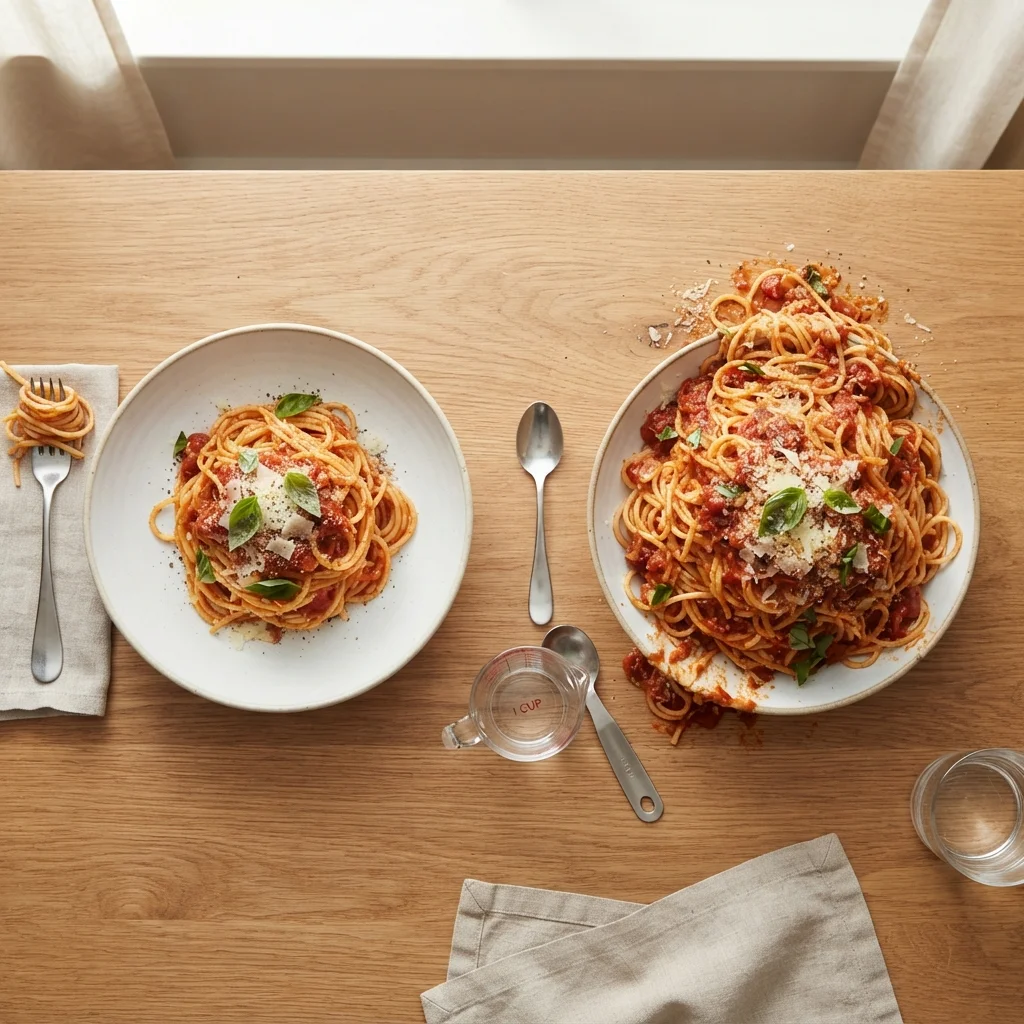
Photo credit: Wiseturt.com | Blogs Curated For You
In this article
Portion distortion is a real phenomenon. Learn how serving sizes affect calorie and nutrient intake without obsessive tracking.
Key Takeaways
- Portion sizes in restaurants and packaged foods have grown significantly over the past few decades.
- Most people consistently underestimate how much they're eating, often by a meaningful margin.
- Visual cues and environmental factors influence how much we serve ourselves, often below conscious awareness.
- Simple hand-based or plate-based estimates can help calibrate portions without obsessive tracking.
- Understanding serving sizes on nutrition labels requires knowing that one package may contain multiple servings.
The Slow Creep of "Normal"
Over the past several decades, the amount of food served in restaurants, sold in packages, and poured into glasses has grown considerably. A standard restaurant pasta dish today can weigh two to three times what was served in the 1980s. Bagels have doubled in size. Soft drink cup sizes have expanded in ways that would have seemed extraordinary a generation ago.
The problem isn't just that portions are larger - it's that larger portions gradually redefine what feels like a normal amount to eat. Once an oversized serving becomes familiar, it becomes the baseline. Eating a genuinely standard portion can start to feel inadequate, even when it fully meets the body's needs.
This phenomenon is why nutrition researchers use the term portion distortion: our internal reference point for a reasonable serving has drifted away from evidence-based guidelines, quietly and incrementally. For a deeper look at how widespread food misconceptions develop, see common nutrition myths and what the evidence says.
2-3×
Typical restaurant portion vs. standard serving
Multiple nutritional analyses have found that restaurant entrées commonly contain two to three times the amount defined as a standard serving in dietary guidelines.
~50%
How much people underestimate calorie intake
Studies have found that people can underestimate their daily calorie intake by up to 50%, with both portion size errors and food type errors contributing to the gap.
30+ years
Period over which U.S. portion sizes grew
According to public health researchers at institutions including the National Heart, Lung, and Blood Institute, food portions in the U.S. grew substantially between the 1980s and the 2000s.
Why People Consistently Underestimate What They Eat
Research consistently shows that people underestimate their food intake - sometimes by a significant margin. Several factors drive this:
- Visual estimation errors: The human eye is not well-calibrated for volume. We tend to underestimate serving sizes in wide, shallow bowls and overestimate them in tall, narrow glasses.
- Package and plate cues: People tend to treat the entire package or plate as the appropriate amount, regardless of what the nutrition label defines as a serving.
- Distraction: Eating while watching a screen, working, or socializing reduces awareness of how much has been consumed, often leading to more food eaten before satiety signals register.
- Calorie density blind spots: Foods that are small in volume but high in calories - oils, nuts, cheese, condiments - are particularly easy to underestimate. A tablespoon of olive oil and a tablespoon of water look nearly identical in a pan.
None of this reflects a personal failing. These are predictable responses to environmental and perceptual factors that affect most people.
Serving Size Is Not a Recommendation
The serving size listed on a Nutrition Facts label is a standardized reference unit established by the FDA to make label comparisons consistent - it is not a recommendation for how much to eat. What's right for any individual depends on factors including age, body size, activity level, and health status. For personalized guidance, consult a registered dietitian or your healthcare provider.
Practical Ways to Recalibrate Without Obsessing
The goal of understanding portions isn't to turn every meal into a math exercise. It's to develop a more accurate mental map of what reasonable amounts actually look like - so that normal, unselfconscious eating stays closer to what your body needs.
Some approaches that nutrition educators commonly suggest:
- Hand-based guides: A cupped hand approximates a portion of cooked grains or cereal. A palm (not including fingers) roughly represents a protein portion. A closed fist is a useful reference for vegetables or fruit. These aren't precise, but they're always with you.
- Plate framing: Organizing meals so that roughly half the plate contains vegetables, one quarter contains a protein source, and one quarter contains a grain or starchy food is a widely used visual framework. See how to build a balanced plate for more detail.
- Reading labels carefully: Nutrition Facts panels list nutrients per serving - but the serving size listed may be far smaller than what most people actually consume. Checking the servings-per-container figure can be eye-opening. Nutrition labels can mislead in several subtle ways worth understanding.
- Slowing down: Hunger and fullness signals travel between the gut and brain over time. Eating more slowly - and pausing before going back for more - allows those signals to register more accurately.
Try a One-Time Measuring Exercise
Rather than measuring food at every meal, many registered dietitians suggest doing it just once per common food - pouring your usual cereal, then measuring it. Seeing the gap between your estimate and the label serving just once can recalibrate your visual sense without requiring ongoing effort. This kind of one-time calibration tends to stick far longer than daily tracking.
Snack portions are an area where distortion is particularly common. Snacking patterns can quietly add or remove a meaningful amount of daily intake depending on what and how much is consumed.
If you're new to thinking about what you eat, a practical starting point for more intentional eating offers a low-pressure introduction to these ideas.
This article is for general informational and educational purposes only and is not a substitute for personalized medical or dietary advice. Consult a qualified healthcare provider or registered dietitian for guidance tailored to your individual health needs.
Frequently Asked Questions

Author
Health & Nutrition Editorial Team
Health & Nutrition Editorial Team is the collective byline for our editorial team and contributor network. Articles published under this byline or an editorial pen name are researched, written, and reviewed according to our editorial standards for clarity, consistency, and independence before publication.
View all articles →