
Snacking Habits That Support - and Sabotage - Nutritional Balance
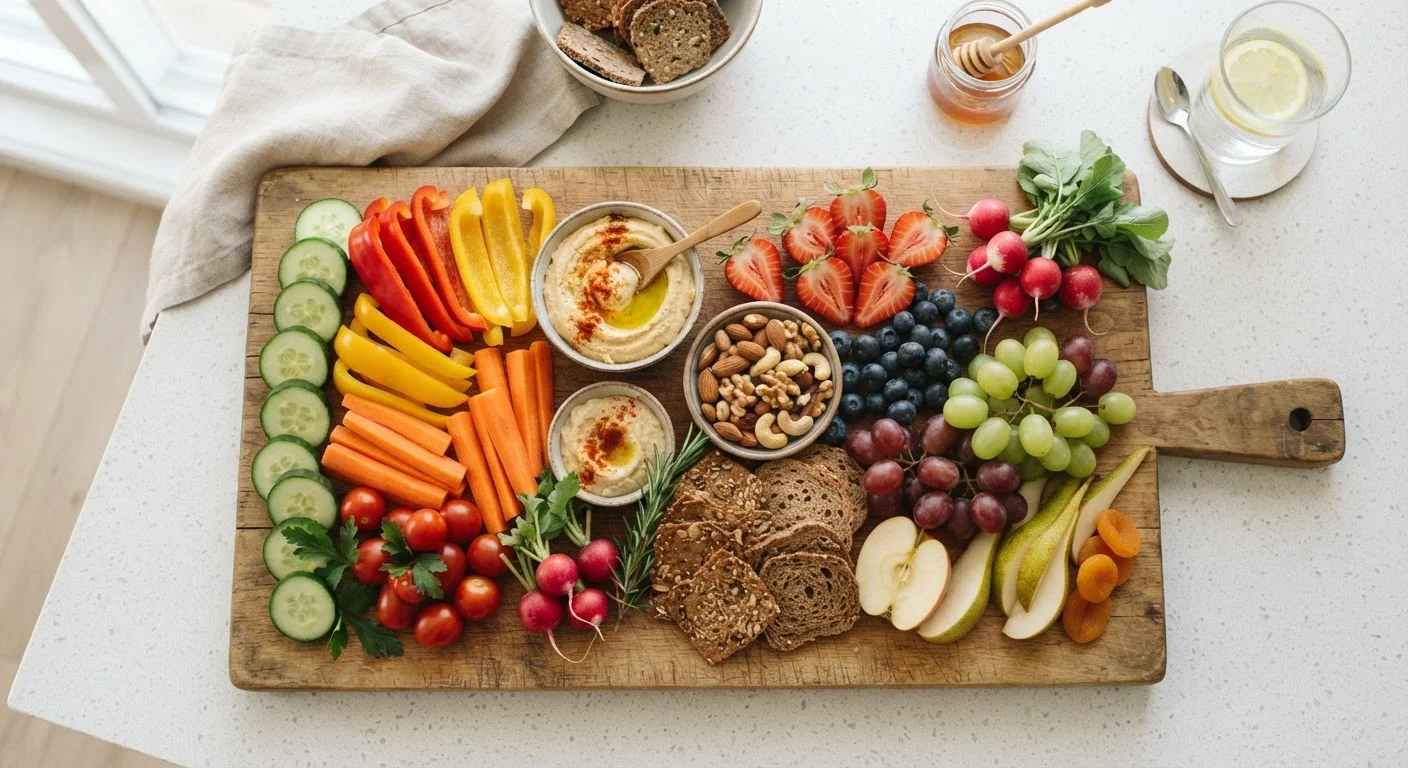
Photo credit: Wiseturt.com | Blogs Curated For You
In this article
Snacks aren't inherently good or bad. Understand which patterns tend to help nutritional balance and which quietly work against it.
Key Takeaways
- Snacking is neither inherently good nor bad - the pattern and food quality matter most.
- Strategic snacks can help bridge nutrient gaps and prevent overeating at main meals.
- Mindless, high-frequency snacking is one of the most common ways daily nutrition goes off track.
- Pairing protein or fiber with snacks helps sustain energy and reduce cravings.
- Reading labels critically is essential - many packaged snacks obscure their nutritional impact.
Bridges long gaps between meals
Eating a small, balanced snack between meals can help prevent excessive hunger, which is associated with larger portion sizes and less measured food choices at the next meal.
Opportunity to add missing nutrients
Snacks offer a practical window to incorporate food groups - like dairy, fruit, or vegetables - that may be underrepresented in main meals, contributing to a more complete daily nutrient profile.
Helps maintain steadier energy levels
Pairing protein or healthy fat with a carbohydrate source slows digestion and helps moderate blood sugar fluctuations, which many people associate with more consistent focus and energy.
Supports adequate protein intake across the day
Distributing protein intake more evenly throughout the day - including via snacks - is generally considered more effective for muscle maintenance than concentrating it in one or two meals.
Mindless eating adds empty calories
Snacking out of boredom or habit rather than hunger frequently means consuming calories from low-nutrient foods without the body actually needing the energy, which can displace more nutritious choices.
Processed snacks can be high in sodium and added sugar
Many packaged snack products contain significant amounts of added sugar, refined grains, and sodium - ingredients that contribute calories with limited nutritional benefit when eaten frequently.
Constant grazing may disrupt appetite regulation
Eating very frequently throughout the day, especially without true hunger signals, may make it harder for some people to recognize and respond appropriately to natural hunger and fullness cues over time.
Misleading packaging can distort nutritional judgments
Terms like 'natural,' 'low-fat,' or 'high-protein' on snack labels don't always indicate a nutritionally balanced choice, and can lead consumers to underestimate calorie or sugar content.
Why Snacking Deserves a Second Look
For many Americans, snacks account for a significant portion of daily calorie intake - yet they rarely receive the same nutritional scrutiny as main meals. The result is a gap between what people think they're eating between meals and what's actually happening nutritionally.
Research published in nutrition journals consistently shows that snacking frequency has increased over the past few decades in the U.S., and that the quality of those snacks varies enormously. The conversation, then, isn't whether to snack - it's about understanding which habits tend to support your overall diet and which work against it.
It's also worth dispelling a persistent misconception: snacking doesn't automatically cause weight gain or derail a balanced diet. Nutrition myths like that one have oversimplified a nuanced topic. What matters far more is the cumulative pattern of what, when, and why you're eating between meals.
Snacking Habits That Support Nutritional Balance
When done thoughtfully, snacking fills real gaps. People who go five or more hours between meals without eating may arrive at dinner significantly hungrier, making it harder to make measured choices about portions. A well-placed snack can interrupt that cycle.
Bridges long gaps between meals
Eating a small, balanced snack between meals can help prevent excessive hunger, which is associated with larger portion sizes and less measured food choices at the next meal.
Opportunity to add missing nutrients
Snacks offer a practical window to incorporate food groups - like dairy, fruit, or vegetables - that may be underrepresented in main meals, contributing to a more complete daily nutrient profile.
Helps maintain steadier energy levels
Pairing protein or healthy fat with a carbohydrate source slows digestion and helps moderate blood sugar fluctuations, which many people associate with more consistent focus and energy.
Supports adequate protein intake across the day
Distributing protein intake more evenly throughout the day - including via snacks - is generally considered more effective for muscle maintenance than concentrating it in one or two meals.
Nutrient-dense snacks - those combining protein, fiber, or healthy fats - tend to provide satiety without a rapid blood sugar spike and crash. Think a small handful of unsalted nuts with a piece of fruit, or plain yogurt with a few berries. These combinations deliver vitamins, minerals, and macronutrients that genuinely contribute to daily nutritional goals.
Smart snacking also gives people a practical opportunity to reach food groups they might otherwise miss. Someone who rarely eats enough vegetables at meals might find raw vegetables with hummus an easy afternoon habit. For a closer look at building that kind of kitchen baseline, the weekly grocery checklist can be a useful starting point.
Snacking Habits That Quietly Undermine Your Diet
The flip side is equally real. Many snacking habits don't reflect hunger at all - they're responses to boredom, stress, habit, or simply the presence of food. Eating without physiological hunger means consuming calories and often low-nutrient foods without the body signaling a need for them.
Mindless eating adds empty calories
Snacking out of boredom or habit rather than hunger frequently means consuming calories from low-nutrient foods without the body actually needing the energy, which can displace more nutritious choices.
Processed snacks can be high in sodium and added sugar
Many packaged snack products contain significant amounts of added sugar, refined grains, and sodium - ingredients that contribute calories with limited nutritional benefit when eaten frequently.
Constant grazing may disrupt appetite regulation
Eating very frequently throughout the day, especially without true hunger signals, may make it harder for some people to recognize and respond appropriately to natural hunger and fullness cues over time.
Misleading packaging can distort nutritional judgments
Terms like 'natural,' 'low-fat,' or 'high-protein' on snack labels don't always indicate a nutritionally balanced choice, and can lead consumers to underestimate calorie or sugar content.
Ultra-processed snack foods - many crackers, chips, flavored rice cakes, and packaged bars - are engineered to be highly palatable, which can make portion control genuinely difficult. These products are also frequently marketed with terms that imply health benefits without delivering them. Nutrition labels can be misleading, and snack packaging is one of the most common places that happens.
Liquid snacking deserves mention too. Sweetened beverages, specialty coffee drinks, and fruit juices can contribute substantial sugar and calories between meals without registering as food in the way solid snacks do. What you drink shapes your diet in ways that are easy to overlook.
A Note on Individual Variation
How snacking affects an individual's diet depends on many personal factors, including overall meal patterns, activity level, metabolism, and health conditions. What works well as a snacking strategy for one person may not suit another. Anyone managing a chronic health condition, blood sugar concerns, or a specific dietary goal should consult a registered dietitian or healthcare provider for personalized guidance.
Practical Ways to Shift the Balance
The goal isn't perfection - it's building a pattern that works over time. A few shifts tend to make a meaningful difference without requiring a complete overhaul of how you eat.
Start by noticing why you're reaching for a snack. Hunger, energy dips, or a long gap before the next meal are legitimate reasons. Habit, boredom, or proximity to food are worth pausing on. This isn't about judgment - it's about awareness. Common habit-building mistakes often trace back to acting on autopilot rather than intention.
When you do snack, aim for combinations that provide staying power. Fiber from vegetables, legumes, or whole grains paired with a source of protein tends to sustain energy longer than refined carbohydrates alone. Portion size matters even with nutritious foods - eating directly from a large bag or container makes it harder to gauge how much you've actually consumed.
This article is for general informational and educational purposes only and is not a substitute for personalized medical or nutrition advice. Consult a qualified healthcare professional or registered dietitian for guidance specific to your health needs.

Author
Health & Nutrition Editorial Team
Health & Nutrition Editorial Team is the collective byline for our editorial team and contributor network. Articles published under this byline or an editorial pen name are researched, written, and reviewed according to our editorial standards for clarity, consistency, and independence before publication.
View all articles →