
Stress and Physical Health: Understanding the Mind-Body Connection
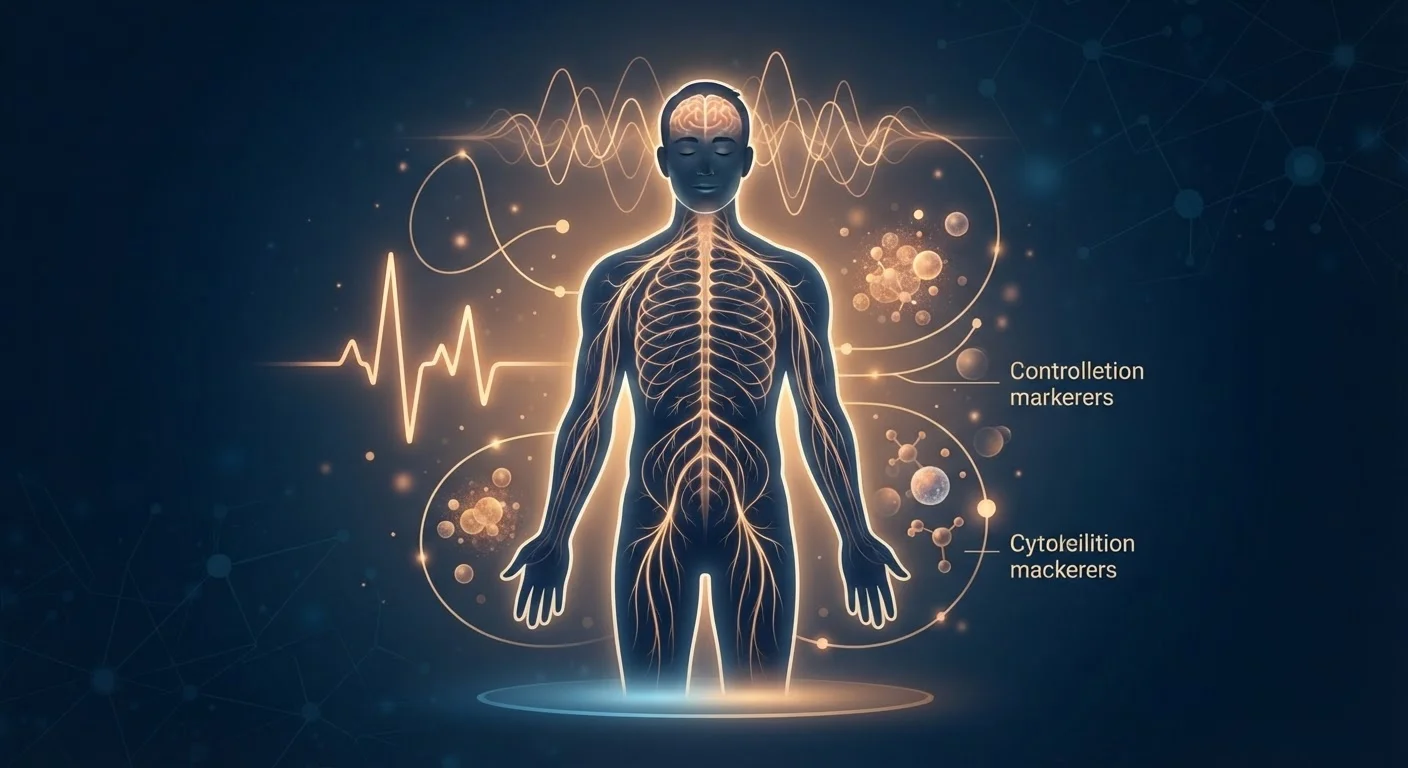
Photo credit: Wiseturt.com | Blogs Curated For You
In this article
Chronic stress affects far more than mood. This explainer covers how psychological stress translates into measurable physical health changes.
Key Takeaways
- Stress triggers measurable biological changes, including elevated cortisol and increased heart rate.
- Chronic stress is linked to higher risks of cardiovascular disease, immune dysfunction, and digestive issues.
- The body's stress response evolved for short-term threats, not prolonged modern pressures.
- Evidence-based habits - like regular movement, consistent sleep, and social connection - can moderate stress's physical impact.
- General health information is not a substitute for guidance from a qualified healthcare professional.
How the Body Responds to Stress
When the brain perceives a threat - real or imagined - it activates the sympathetic nervous system in milliseconds. The adrenal glands release adrenaline (epinephrine) and, shortly after, cortisol. Heart rate rises, blood pressure increases, digestion slows, and muscles tense. This is the classic fight-or-flight response, and it evolved to handle immediate, short-lived dangers.
The problem for modern Americans is that this system was not designed for ongoing stressors: financial pressure, work deadlines, relationship conflict, or information overload. When the stress response stays activated for days, weeks, or months, those same protective mechanisms begin to wear on the body's systems rather than protect them.
For a broader look at how stress interacts with sleep, movement, and nutrition, see how the four pillars of wellness interact.
77%
Americans reporting physical stress symptoms
According to the American Psychological Association's Stress in America survey, a large majority of U.S. adults report experiencing physical symptoms they attribute to stress.
2-3×
Higher cardiovascular risk with chronic stress
Research published in peer-reviewed cardiology literature suggests individuals with high chronic stress exposure face roughly two to three times greater risk of certain cardiovascular events compared to low-stress counterparts.
40%
Reduction in immune cell activity under prolonged stress
Laboratory studies have shown that sustained psychological stress can reduce natural killer cell activity - a key immune defense - by approximately 40% in some subject groups.
Measurable Physical Effects of Chronic Stress
Research has documented several specific ways that chronic stress translates into physical health changes:
- Cardiovascular system: Sustained high cortisol and adrenaline levels are associated with elevated blood pressure, arterial inflammation, and higher risk of heart disease over time.
- Immune function: Prolonged cortisol exposure suppresses the production of lymphocytes - white blood cells central to immune defense - increasing vulnerability to illness.
- Digestive health: The gut and brain communicate via the vagus nerve and the enteric nervous system. Chronic stress disrupts gut motility and can alter the gut microbiome. Gut health research is an active field, and early evidence suggests stress-related microbiome shifts may have broader health consequences.
- Musculoskeletal tension: Muscles remain in a semi-contracted state during prolonged stress, contributing to chronic neck, shoulder, and lower-back pain.
- Sleep disruption: Elevated cortisol interferes with the body's circadian rhythm, reducing sleep quality and creating a feedback loop where poor sleep further elevates stress hormones.
Terminology: Cortisol and HPA Axis
Cortisol is the body's primary stress hormone, produced by the adrenal glands under direction from the hypothalamus and pituitary gland - together called the HPA axis. For plain-language definitions of terms like cortisol, circadian rhythm, and related concepts, see our wellness research glossary. Understanding the terminology helps readers evaluate health information more critically.
Science-Backed Habits That Help
No lifestyle habit eliminates stress entirely, but several evidence-supported routines can meaningfully reduce its physical toll. The research points consistently to a small core set of behaviors:
- Regular aerobic movement: Exercise reduces cortisol levels and increases endorphins. Even moderate-intensity activity - such as brisk walking - shows measurable stress-buffering effects. Learn more about how physical activity affects the body in our complete guide to how physical activity works.
- Consistent sleep schedules: Going to bed and waking at consistent times supports cortisol regulation and helps break the stress-sleep disruption cycle.
- Mindfulness and controlled breathing: Techniques such as diaphragmatic breathing activate the parasympathetic nervous system - the body's calming counterbalance - and have documented effects on heart rate variability and blood pressure.
- Social connection: Supportive relationships act as a physiological buffer. Research associates social isolation with elevated inflammatory markers, while strong social ties correlate with lower cortisol reactivity.
Start Small With Stress-Reduction Habits
You do not need to overhaul your entire routine at once. Research on habit formation suggests that starting with one consistent, manageable change - such as a 15-minute daily walk or a fixed bedtime - is more sustainable than attempting multiple changes simultaneously. Small, consistent actions compound over weeks and months into meaningful physiological benefits.
This article is for general informational and educational purposes only and is not a substitute for professional medical advice, diagnosis, or treatment. Always consult a qualified healthcare provider with questions about your health or symptoms.
Frequently Asked Questions

Author
Health & Nutrition Editorial Team
Health & Nutrition Editorial Team is the collective byline for our editorial team and contributor network. Articles published under this byline or an editorial pen name are researched, written, and reviewed according to our editorial standards for clarity, consistency, and independence before publication.
View all articles →