
Common Appliance Warranty Terms and What They Actually Cover
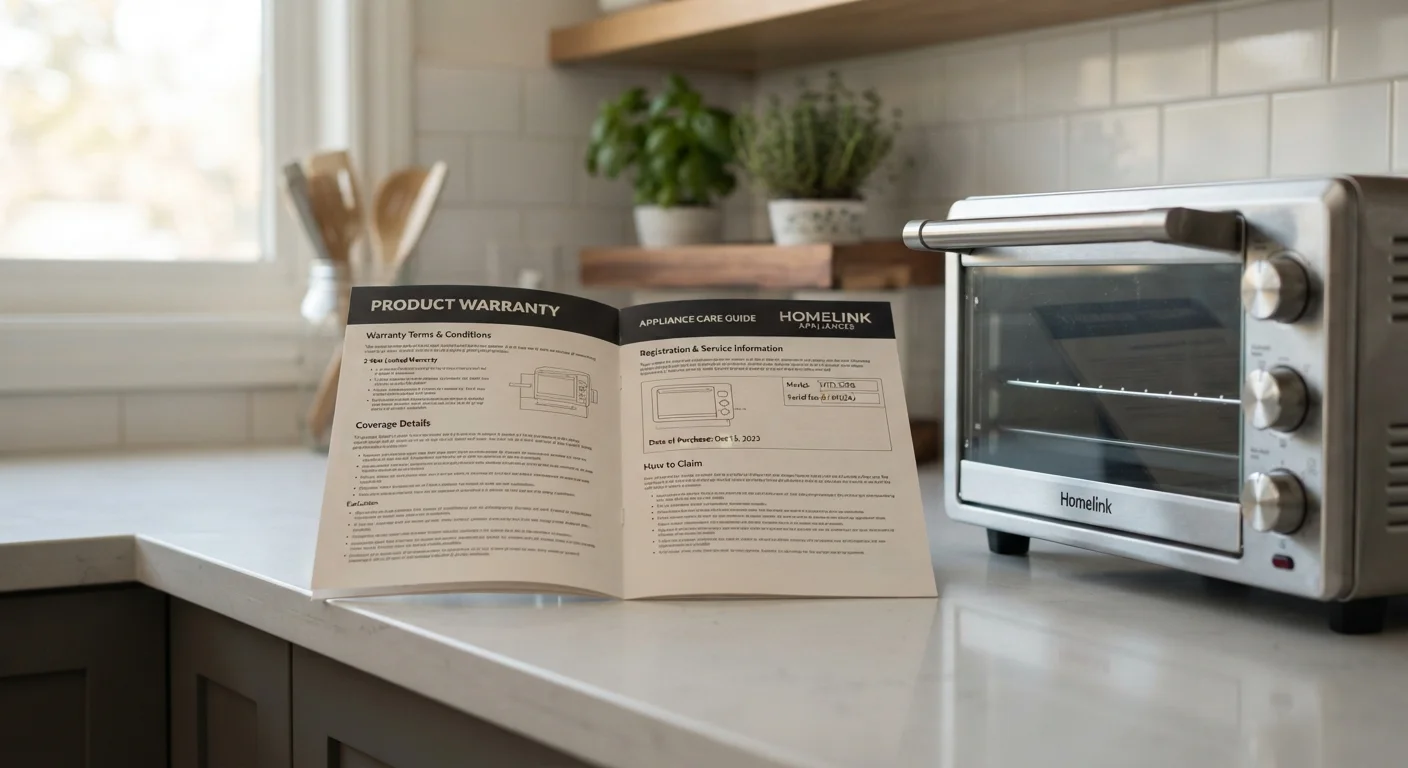
Photo credit: Wiseturt.com | Blogs Curated For You
In this article
A plain-language guide to the warranty terminology printed on appliance documentation—what's covered, what's excluded, and what to watch for.
What Warranty Documents Are Actually Saying
Appliance warranties are legal documents, and their language is deliberate. Most consumers encounter two types: limited warranties - by far the most common - and the rarer full warranty. Under the federal Magnuson-Moss Warranty Act, a full warranty obligates the manufacturer to repair or replace a defective product within a reasonable time at no charge. A limited warranty restricts coverage to specific components, defect types, or time windows defined in the fine print.
The phrase "parts and labor" tells you whether the manufacturer will pay for both the replacement component and the technician's time to install it. Some warranties cover parts and labor for the first year, then shift to parts-only coverage for additional years. Reading the coverage table - usually a grid near the front of the booklet - reveals exactly which components fall under which terms.
| Governing Federal Law | Magnuson-Moss Warranty Act (1975) (Federal Trade Commission) |
| Typical Base Warranty Length | 1 year parts and labor (Standard manufacturer practice on major appliances) |
| Extended Compressor Coverage | 5-10 years (refrigerators, varies by manufacturer) (Common manufacturer warranty structure) |
| Consequential Damage Coverage | Excluded in most limited warranties (Standard limited warranty language) |
| Implied Warranty Protection | Recognized in most U.S. states (State consumer protection law) |
| Registration Required for Coverage? | Generally no, under federal law (Federal Trade Commission guidance) |
For broader product documentation terminology, see key product research terms that apply across categories beyond appliances alone.
Common Exclusions and Why They Matter
Exclusion clauses are where many consumers are caught off guard. Standard limited warranties typically exclude:
- Cosmetic damage - scratches, dents, or discoloration not caused by a manufacturing defect
- Misuse or neglect - operating the appliance outside its intended purpose or skipping required maintenance
- Unauthorized repairs - service by a technician not approved by the manufacturer can void remaining coverage
- Consequential damages - spoiled food, water damage, or other indirect losses are almost universally excluded
- Consumable components - filters, light bulbs, and gaskets are frequently listed as normal wear items outside warranty scope
Neglect-related failures fall squarely into exclusion territory, which is why routine upkeep matters beyond just performance. Our appliance maintenance calendar provides a month-by-month schedule to help prevent the failures most likely to be denied under a limited warranty.
Limited Warranty
A warranty that covers only the specific parts, defects, or conditions listed in the documentation. Anything not explicitly mentioned is generally excluded from coverage.
Full Warranty
Under the Magnuson-Moss Warranty Act, a full warranty must repair or replace a defective product within a reasonable time at no charge. Full warranties are uncommon on major home appliances.
Parts and Labor Coverage
Warranty language specifying whether the manufacturer pays for replacement components, the technician's time, or both. Some warranties cover parts only, leaving labor costs to the consumer.
Consequential Damages
Harm resulting indirectly from a product failure - for example, spoiled food caused by a refrigerator breakdown. Most manufacturer warranties explicitly exclude reimbursement for such losses.
Prorated Warranty
A warranty where the manufacturer's share of repair or replacement cost decreases over time. Coverage may be 100% in year one but drop to a smaller percentage in later years.
Exclusion Clause
A section of a warranty listing conditions, causes of failure, or component types that are not covered. Common exclusions include cosmetic damage, misuse, and repairs by unauthorized technicians.
Implied Warranty of Merchantability
A legal guarantee recognized in most U.S. states that a product will perform its ordinary intended function. This protection exists independently of any written warranty the manufacturer provides.
Extended Service Contract
A separate, purchasable agreement - distinct from a manufacturer's warranty - that extends or broadens coverage after the original warranty expires. Under federal law, these are contracts, not warranties.
If an appliance is aging and a repair situation arises, the repair-or-replace decision framework can help you weigh whether pursuing a warranty claim or replacing the unit makes more practical sense.
Extended Service Contracts vs. Manufacturer Warranties
Extended service contracts - sometimes marketed as "extended warranties" - are not warranties under federal law. They are separate purchase agreements, typically sold by retailers or third-party administrators, that activate after the manufacturer's coverage ends or overlap with it. The distinction matters because terms, claim processes, and consumer protections differ meaningfully from those that apply to a written warranty.
Registration Is Helpful but Rarely Mandatory
Federal law under the Magnuson-Moss Warranty Act generally prohibits manufacturers from conditioning warranty coverage on product registration. That said, registering your appliance is still worthwhile - it simplifies claims processing, helps manufacturers notify you of recalls, and establishes a documented purchase date. Keep your original receipt regardless of whether you register the product.
When evaluating a service contract, focus on three practical questions: Which specific failures are covered and which are excluded? Who performs the repairs, and are those technicians manufacturer-authorized? What does the claims process look like if something goes wrong? A similar analytical lens applies to protection add-ons in other purchase contexts - dealer add-on products follow comparable structures worth understanding.
One final layer of protection worth knowing: implied warranties exist in most U.S. states independent of any written document. They establish a baseline legal expectation that a product will perform its intended function. If a manufacturer's written warranty attempts to disclaim implied warranties entirely, state law often limits or prohibits that disclaimer. For questions about rights specific to your state, your state attorney general's consumer protection office is a reliable starting point.

Author
Home & Appliances Editorial Team
Home & Appliances Editorial Team is the collective byline for our editorial team and contributor network. Articles published under this byline or an editorial pen name are researched, written, and reviewed according to our editorial standards for clarity, consistency, and independence before publication.
View all articles →