
Dryer Vent Maintenance: The Safety and Efficiency Task Most People Overlook
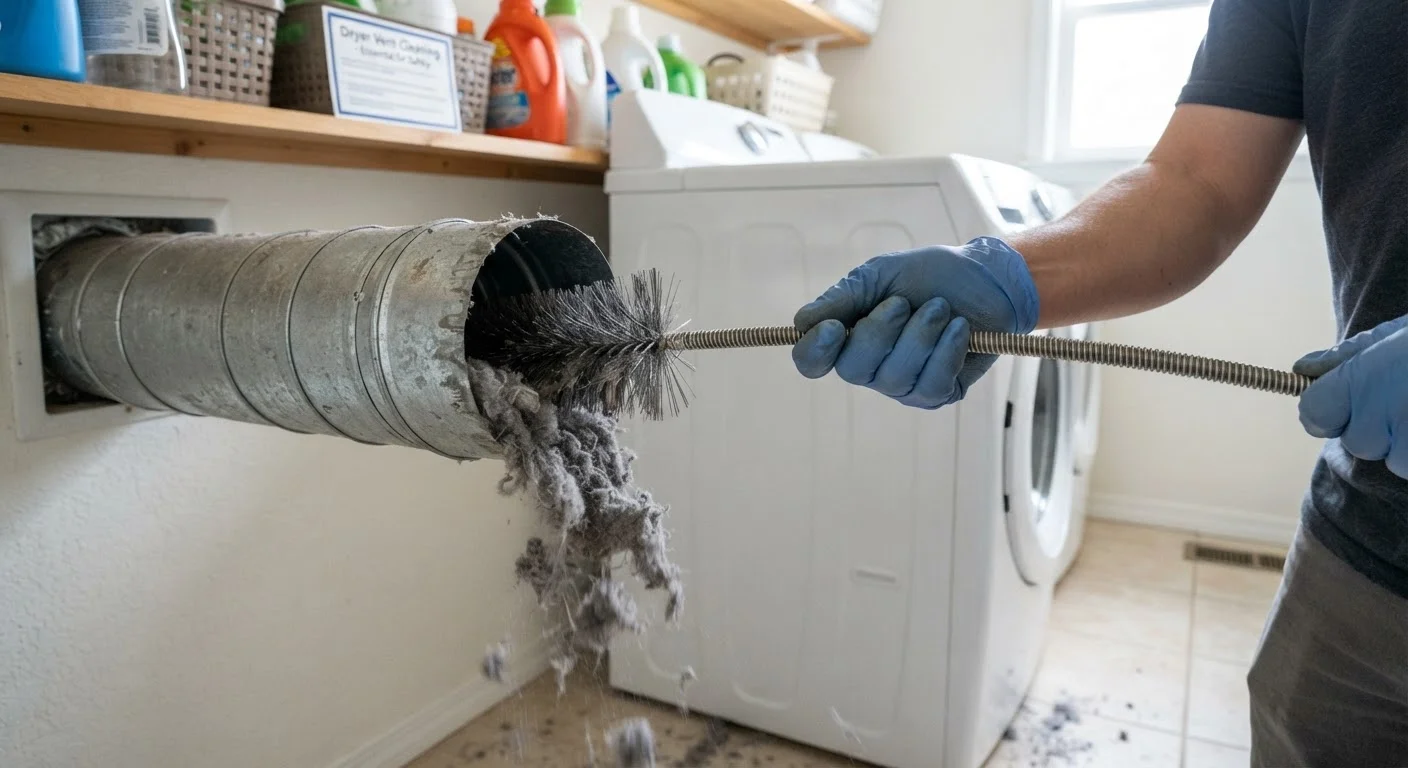
Photo credit: Wiseturt.com | Blogs Curated For You
In this article
Learn why dryer vent cleaning matters, how often it should be done, and what signs indicate a blockage before it becomes a hazard.
Key Takeaways
- Clogged dryer vents are a leading cause of residential fires in the US each year.
- Most households should clean their dryer vent at least once annually, possibly more often.
- Warning signs of a blocked vent include longer drying times, excess heat, and a burning smell.
- Cleaning the lint trap after every load is not a substitute for cleaning the full vent duct.
- Professional vent cleaning is recommended for long, complex duct runs or severe blockages.
Why Dryer Vent Maintenance Is a Safety Issue, Not Just Upkeep
Most homeowners clean the lint trap before or after every load - and stop there. But the lint trap only captures a portion of the fibers shed during drying. The rest travels through the exhaust duct that leads outside your home, and over time it accumulates along duct walls, bends, and the exterior vent flap.
According to the U.S. Fire Administration, clothes dryers are responsible for thousands of residential fires each year, and failure to clean the dryer or its venting is the leading contributing factor. Lint is highly flammable, and a restricted vent creates the heat conditions that can ignite it.
Beyond fire risk, a clogged vent forces your dryer to work harder and longer, consuming more energy and shortening the appliance's lifespan. It's one of the most overlooked items on any home maintenance checklist - but one of the highest-impact ones. See the full appliance maintenance calendar to understand where this fits into your broader home care schedule.
The Lint Trap Is Not Enough
Cleaning the lint screen before or after every load is good practice and should not be skipped. However, the screen typically captures only a portion of the lint produced during a cycle. The remainder travels into the exhaust duct, where it collects over months and years. Duct cleaning is a separate, necessary step - not a backup for skipping the screen, and not replaced by it.
Warning Signs Your Dryer Vent May Be Blocked
A partially or fully blocked dryer vent typically gives clear signals before it becomes a serious hazard. Knowing what to look for lets you address the problem before it escalates.
- Clothes take more than one cycle to dry - Restricted airflow means moisture can't escape efficiently, so fabrics stay damp longer than they should.
- The dryer or laundry room feels unusually hot - Excess heat that can't exhaust properly backs up into the machine and surrounding space.
- A burning or musty smell during operation - A burning odor may indicate lint is overheating near the heating element; a musty smell can signal trapped moisture and mold in the duct.
- The exterior vent flap doesn't open during operation - If airflow is strong enough, the exterior damper should open visibly. If it stays shut or barely moves, blockage is likely.
- Lint accumulating around the dryer's exterior or floor - Lint pushing back into the room rather than exhausting outside is a strong indicator of a clogged duct.
If you notice any of these signs, stop using the dryer until the vent has been inspected and cleared. This also applies to common appliance misconceptions - many homeowners assume longer drying times mean the dryer is aging, when venting is frequently the real culprit.
~2,900
Dryer fires reported annually in US homes
According to the U.S. Fire Administration, clothes dryers cause approximately 2,900 residential fires each year, with failure to clean the vent being the top contributing factor.
34%
Of dryer fires caused by failure to clean
The U.S. Fire Administration attributes roughly one-third of all dryer-related fires directly to inadequate cleaning of the dryer and its venting system.
Best Practices for Keeping Your Dryer Vent Clean and Clear
Maintaining your dryer vent doesn't require specialized skills for routine cleaning, but it does require consistency and a basic understanding of your system's layout.
Clean the full vent duct at least once a year - more often for heavy users.
Annual cleaning removes lint that bypasses the trap and builds up in the duct over time. Households that do multiple loads per day, or that dry pet bedding and heavy fabrics regularly, may need cleaning every six months.
Use a dryer vent brush kit to clean the duct yourself between professional visits.
Flexible brush kits with extendable rods allow you to reach several feet into the duct from the back of the dryer, dislodging lint before it compacts. This is practical for straight, accessible ducts and costs very little.
Inspect and clear the exterior vent cap seasonally.
The outdoor vent flap can collect debris, bird nests, or ice in winter - all of which restrict exhaust airflow. A quick visual check every season ensures the damper opens freely and the opening is unobstructed.
Use rigid or semi-rigid metal ducting rather than flexible plastic or foil accordion duct.
Flexible plastic ducts can kink, crush, and sag - creating lint traps and fire hazards. Metal ducting maintains consistent airflow and is far less likely to accumulate buildup or restrict exhaust.
Never vent a dryer indoors or into an attic, crawl space, or wall cavity.
Dryer exhaust contains moisture, lint, and combustion byproducts (in gas dryers). Venting it into enclosed spaces causes moisture damage, mold growth, and serious fire risk - and violates building codes in most jurisdictions.
When to Call a Professional - and What to Expect
DIY vent cleaning with a brush kit works well for straight or short duct runs, but certain situations call for professional service. If your duct runs more than 15-20 feet, has multiple bends, or you've never had it cleaned, a professional with rotary brush equipment and an inspection camera will do a more thorough job.
A qualified dryer vent cleaning technician can also identify crushed or improperly installed ductwork - a common issue in older homes where plastic or foil accordion ducts (which are no longer recommended) were used instead of rigid or semi-rigid metal ducting. Correcting duct material or routing problems often makes a bigger difference than cleaning alone.
For broader home system maintenance, the same principle applies: periodic professional inspections catch problems that routine DIY upkeep misses. This is true for HVAC systems as much as it is for dryer vents. And if you're looking to protect your property's value over time, dryer vent maintenance is one of the lesser-known tasks that genuinely matter.

Author
Home & Appliances Editorial Team
Home & Appliances Editorial Team is the collective byline for our editorial team and contributor network. Articles published under this byline or an editorial pen name are researched, written, and reviewed according to our editorial standards for clarity, consistency, and independence before publication.
View all articles →