
Front-Load vs. Top-Load Washers: What the Differences Mean for Your Laundry Routine
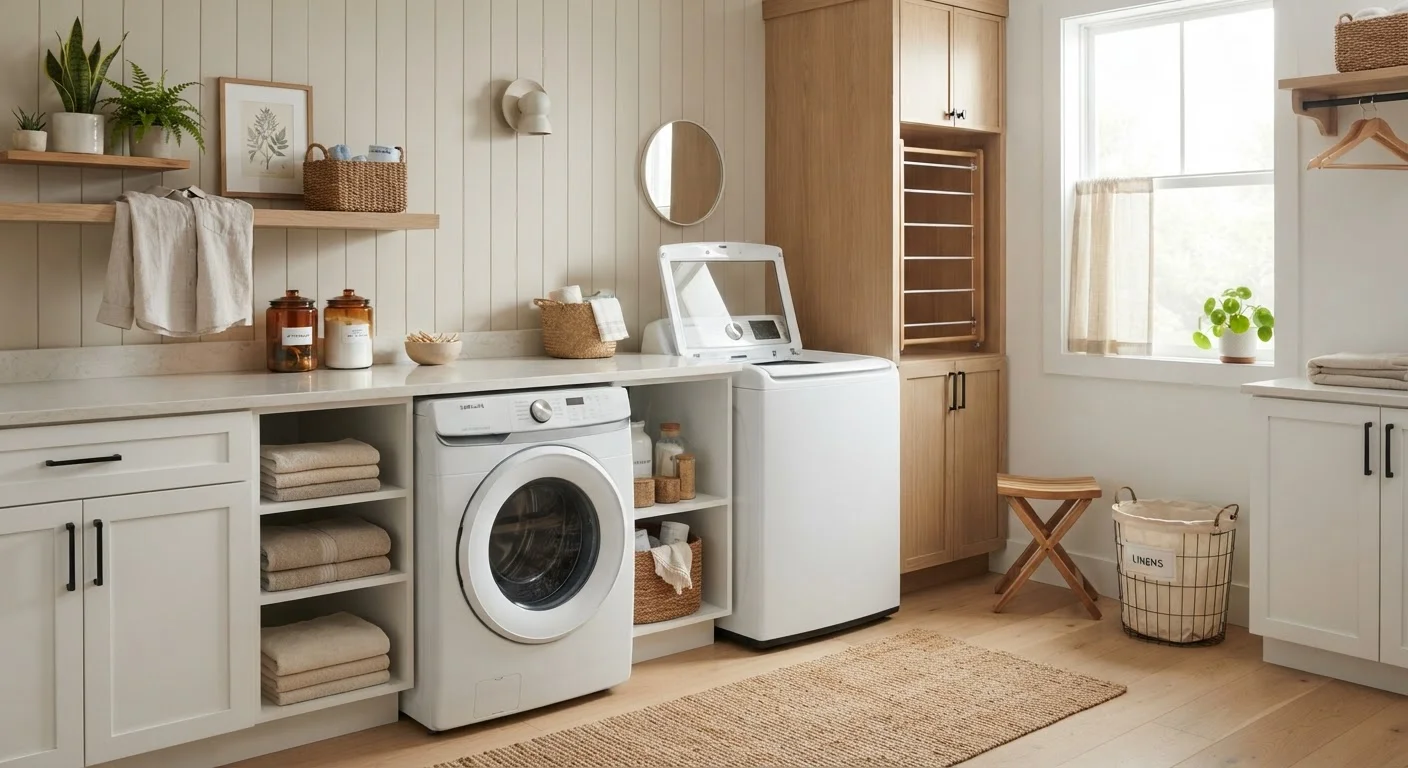
Photo credit: Wiseturt.com | Blogs Curated For You
In this article
A clear, side-by-side look at how front-load and top-load washing machines differ in cleaning method, water use, and long-term care.
Key Takeaways
- Front-load washers use a tumbling action that generally cleans more efficiently with less water.
- Top-load washers allow you to add forgotten items mid-cycle and tend to have shorter cycle times.
- Front-loaders are prone to door gasket mold if the door is kept closed after use.
- Top-load agitator models can be harder on delicate fabrics than impeller or front-load designs.
- Both types vary widely in capacity - check drum size, not just marketing labels.
- Installation space and ergonomics (bending vs. reaching) are practical factors worth considering.
How Each Machine Actually Cleans Clothes
The most fundamental difference between front-load and top-load washers isn't cosmetic - it's mechanical. Understanding each machine's cleaning method helps explain nearly every other tradeoff.
Front-load washers use a horizontal drum that rotates, lifting clothes and letting them fall repeatedly through a small amount of water and detergent. This tumbling action creates friction between garments, which does much of the cleaning work. Because the drum doesn't need to be filled high enough to submerge clothes, these machines use considerably less water per cycle.
Top-load washers come in two internal configurations. Traditional models use a central agitator - a tall post that twists back and forth, physically moving clothes through the water. Newer top-loaders use an impeller, a low-profile disc at the drum bottom that creates turbulent water currents instead. Impeller models are gentler on fabrics and hold more laundry, but neither top-load design matches the water savings of a front-loader.
Just as understanding what happens inside a machine clarifies its strengths, seeing how a dishwasher's cycle works reveals why cycle design matters across all home appliances.
| Criterion | Front-Load Washer | Top-Load Washer |
|---|---|---|
| Cleaning mechanism | Tumbling drum action | Agitator or impeller |
| Water use per cycle | Lower - no submersion needed | Higher - clothes submerged |
| Typical cycle time | 60-90+ minutes | 30-50 minutes |
| Mid-cycle access | Not possible once sealed | Lid can be lifted early on |
| Fabric gentleness | Gentle tumbling action | Varies; agitators harder on fabric |
| Stackable with dryer | Yes, with compatible unit | No |
| Mold/odor risk | Higher - door gasket traps moisture | Lower - open top ventilates |
| Detergent requirement | HE detergent required | Standard or HE detergent |
| Ergonomics | Bending to load and unload | Reaching down into drum |
Water Use, Efficiency, and Long-Term Running Costs
Water and energy use differ noticeably between these two washer types, and those differences compound over years of regular use.
~13 gal
Typical front-loader water use per cycle
The U.S. Department of Energy notes that ENERGY STAR-certified front-load washers use around 13 gallons per cycle on average.
~20 gal
Typical top-loader water use per cycle
Standard top-load agitator models commonly use 20 gallons or more per cycle, according to general industry efficiency benchmarks.
25%+
Potential energy savings vs. standard top-loaders
ENERGY STAR estimates that certified front-load washers can use about 25% less energy than conventional top-load models.
Front-load washers generally qualify more readily for energy efficiency certifications because their lower water volume requires less energy to heat. If you use warm or hot water settings regularly, this gap widens further. Top-load machines - especially agitator models - typically use more water because clothes must be submerged throughout the cycle.
That said, cycle time is one area where top-loaders often have the edge. Many top-load cycles run 30-45 minutes, while front-load cycles commonly run 60-90 minutes or longer, partly because they rely on longer mechanical action rather than volume of water to clean effectively. For households doing multiple loads daily, that time difference can matter.
Capacity ratings also deserve scrutiny. A drum labeled at a certain cubic-foot size doesn't always translate into practical load size. For a grounded look at what capacity figures actually mean in practice, see our article on appliance load capacity and efficiency.
Maintenance, Longevity, and Common Problems
Both washer types require routine care, but the specific tasks and failure points differ in ways that affect real-world convenience.
Front-load washers have a rubber door gasket - a flexible seal around the drum opening - that traps moisture, lint, and residue. If the door is left closed after a cycle, mold and mildew can develop inside the gasket and drum, producing odors that transfer to laundry. The standard prevention is simple: wipe the gasket after each use and leave the door ajar between washes. Running a monthly drum-cleaning cycle with washer cleaner also helps. Front-loaders are also more sensitive to detergent type; they require HE detergent, which produces fewer suds and rinses cleanly at low water levels.
Top-load washers are less prone to mold because their open-top design allows moisture to evaporate naturally. Agitator models, however, can wear on fabric over time - the mechanical action that moves clothes is more aggressive than tumbling or impeller currents. Impeller top-loaders are gentler but may tangle lightweight fabrics if overloaded.
HE Detergent Matters in Front-Loaders
Using regular detergent in a front-load washer produces excess suds that don't rinse cleanly at low water levels, leaving residue on clothes and inside the drum. Always look for the HE symbol on detergent packaging when using a front-load machine. Most modern HE detergents work in top-loaders too, making them a versatile option if you're unsure.
For both types, keeping the machine level, cleaning the detergent dispenser regularly, and not overloading the drum consistently are the habits most associated with longer appliance life. If you're weighing how installation type affects long-term access and serviceability, the comparison of built-in vs. freestanding appliances covers related considerations.

Author
Home & Appliances Editorial Team
Home & Appliances Editorial Team is the collective byline for our editorial team and contributor network. Articles published under this byline or an editorial pen name are researched, written, and reviewed according to our editorial standards for clarity, consistency, and independence before publication.
View all articles →