
Gas Range vs. Electric Range: How Each Cooking Method Affects Heat, Control, and Cleanup
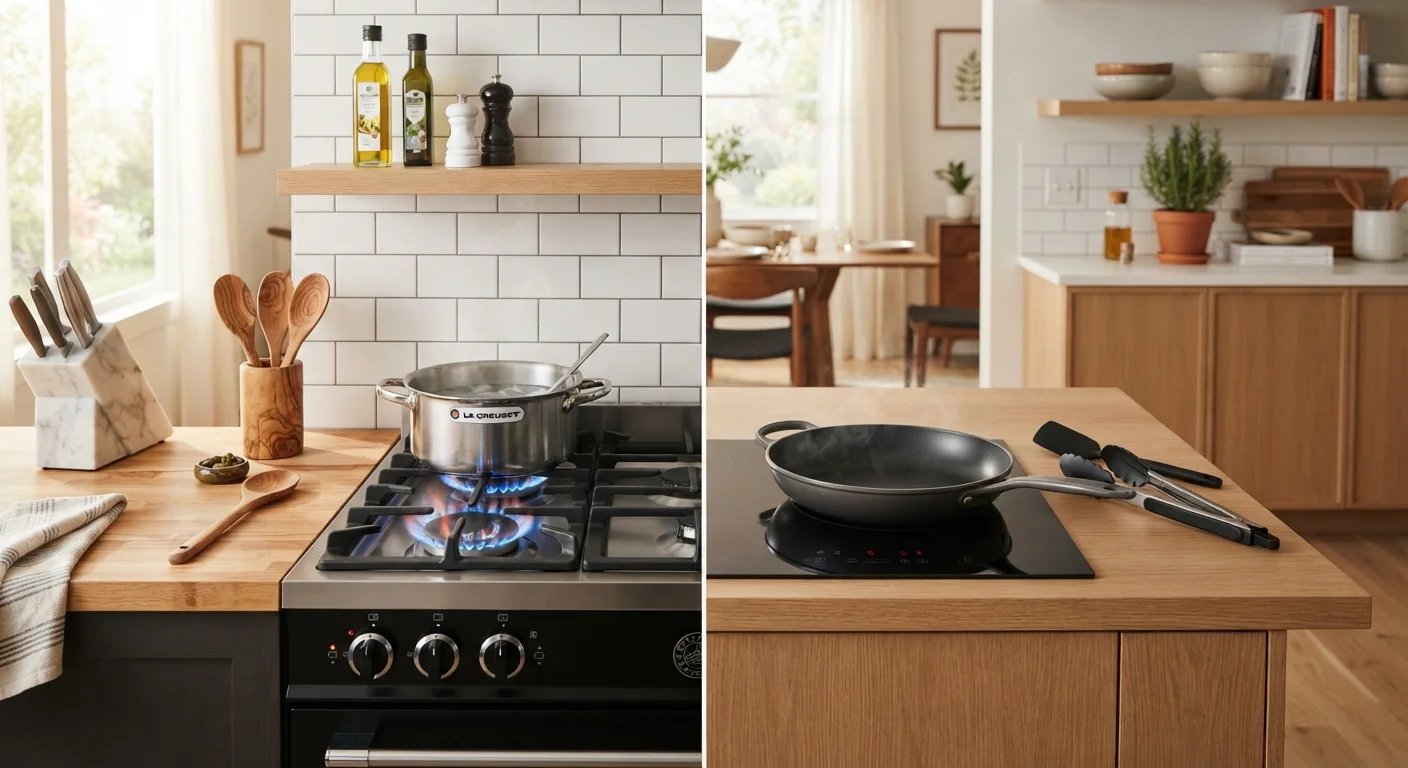
Photo credit: Wiseturt.com | Blogs Curated For You
In this article
Understand the real differences between gas and electric ranges—how they heat, how they behave, and what each demands from the cook.
Key Takeaways
- Gas ranges respond immediately to heat adjustments; electric ranges heat and cool more gradually.
- Electric smooth-top ranges are generally easier to clean than gas grates and burner caps.
- Gas ovens can run hotter and have hot spots; electric ovens tend to bake more evenly.
- Installation requirements differ significantly - gas needs a gas line, electric needs a 240V outlet.
- Longevity and maintenance needs vary by type, with gas burners requiring more routine cleaning.
How Each Range Produces and Delivers Heat
The most fundamental difference between gas and electric ranges is how they generate heat and deliver it to your cookware.
A gas range burns natural gas or propane through open burners, producing a visible flame. Heat transfers directly to the pan through contact and radiant energy from the flame. Because combustion starts and stops almost instantly, cooks can increase or lower heat the moment they adjust the knob - the cookware responds in seconds.
An electric range uses resistive heating elements - either exposed coils or, on smooth-top models, elements concealed beneath a glass-ceramic surface. Electricity flows through the element, generating heat that transfers through conduction. The process is slower to ramp up and, importantly, slower to cool down once the burner is turned off. This thermal lag is a key behavioral difference new users notice.
Neither approach is universally superior - they suit different cooking styles. Understanding this thermal behavior helps you predict how a range will perform before you ever cook on it.
| Criterion | Gas Range | Electric Range |
|---|---|---|
| Heat response speed | Near-instant adjustment | Gradual ramp up and cool down |
| Simmer control | Precise, continuous low heat | Cycles on/off; varies by model |
| Oven evenness | Hot spots more common | More consistent heat distribution |
| Stovetop cleanup | Grates and burner caps to clean | Flat surface; wipe-down easy |
| Installation requirement | Requires gas line connection | Requires 240V electrical outlet |
| Oven moisture level | Slightly moist from combustion | Drier environment |
| Surface scratch risk | Grates protect cooktop surface | Glass-ceramic can scratch |
Stovetop Control, Oven Performance, and What Each Demands from the Cook
Stovetop control is where gas ranges hold a widely recognized advantage. The visible flame gives instant visual feedback, and simmer settings on quality gas burners can sustain very low heat for delicate sauces without scorching. Electric burners, by contrast, can struggle to hold a true low simmer on some models because the element cycles on and off rather than reducing continuously.
However, electric smooth-top ranges offer one practical advantage on the stovetop: a flat, sealed surface means spills stay contained and are easier to wipe away before they bake on.
In the oven, the dynamic often reverses. Gas ovens produce moisture as a byproduct of combustion, which can be useful for bread but less ideal for items that need a dry, crisping environment. Electric ovens tend to bake more evenly because their heating elements (top and bottom) cycle in a controlled pattern, reducing the hot spots common in gas ovens. For consistent baking results, many experienced home bakers prefer electric.
~50%
US homes using electric ranges
According to the U.S. Energy Information Administration's Residential Energy Consumption Survey, roughly half of U.S. households cook with electricity.
10-15 years
Typical range lifespan
The National Association of Home Builders estimates most ranges - gas or electric - last between 10 and 15 years with proper maintenance.
If you're also deciding between built-in and freestanding configurations, the guide to built-in vs. freestanding appliances covers how installation format affects your range choice as well.
Cleanup, Maintenance, and Long-Term Care
Day-to-day maintenance is often what determines how satisfied owners are with their range over years of use.
Gas ranges have more physical parts that need cleaning: grates, burner caps, burner heads, and the area beneath them all collect grease and food debris. These components are typically removable and dishwasher-safe on many models, but the process takes time. Clogged burner ports - the small holes through which gas flows - can cause uneven flames and require periodic clearing with a thin wire or pin.
Electric smooth-top ranges have a sealed surface that makes spill containment simpler. A damp cloth handles most messes. However, the glass-ceramic surface can scratch if abrasive cleaners or heavy cast iron is dragged across it, and burnt-on spills require specific ceramic cooktop cleaners to remove without damage. Exposed-coil electric ranges sit between the two: easier to access than gas burners but with drip pans that collect residue and need regular attention.
Surface Damage and Warranty Considerations
Glass-ceramic cooktops on electric ranges can crack under sudden temperature changes or from heavy impact. Check your range's care guide before using cast iron or oversized cookware. Damage from misuse is typically not covered under standard manufacturer warranties, so following surface-care instructions from day one helps protect the appliance's longevity.
For context on how appliance format choices intersect with installation and longevity decisions, the energy and infrastructure considerations are not unlike the tradeoffs discussed in comparing electric and gas vehicles - infrastructure availability shapes what's practical, regardless of preference.

Author
Home & Appliances Editorial Team
Home & Appliances Editorial Team is the collective byline for our editorial team and contributor network. Articles published under this byline or an editorial pen name are researched, written, and reviewed according to our editorial standards for clarity, consistency, and independence before publication.
View all articles →