
What Shortens an Appliance's Life Faster Than Age
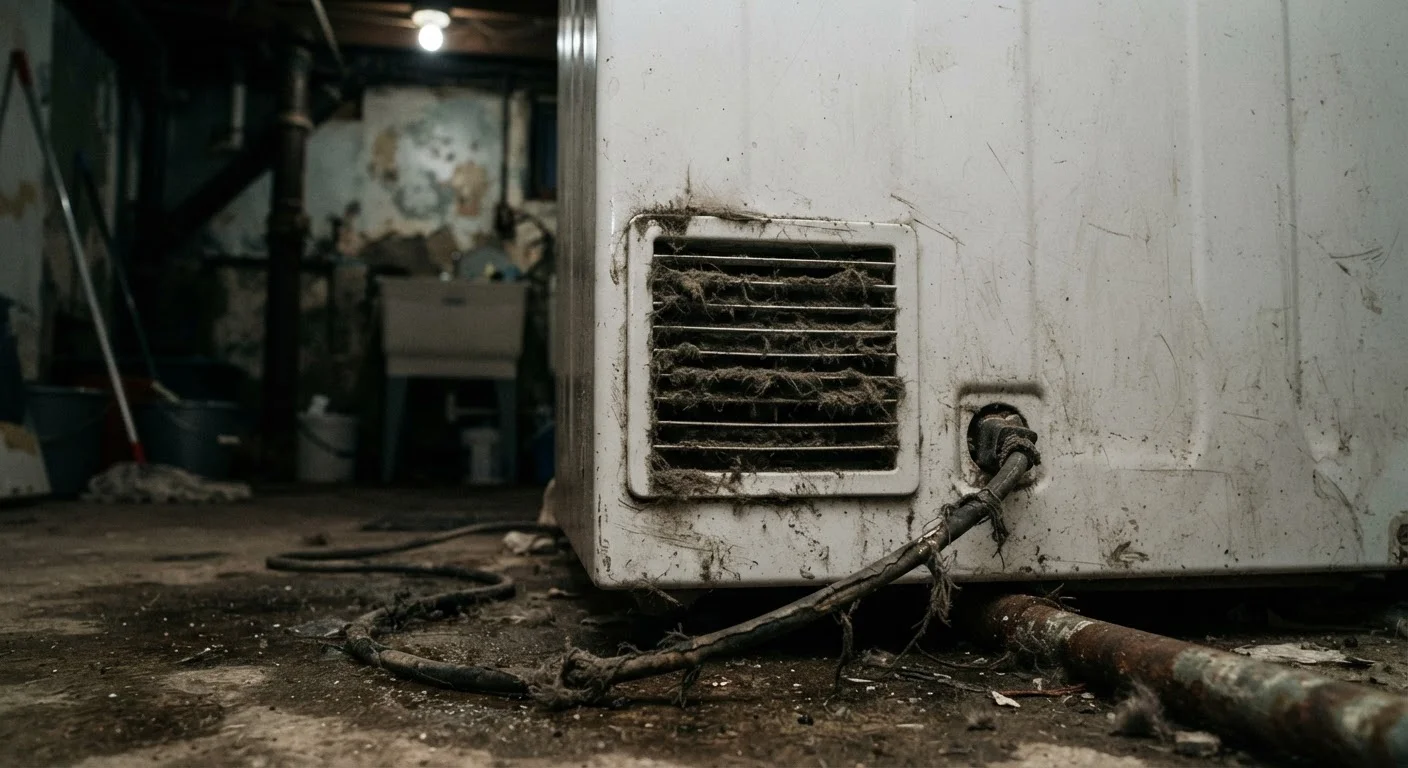
Photo credit: Wiseturt.com | Blogs Curated For You
Age isn't the main reason appliances fail early. Discover the overlooked habits and conditions that cause premature wear and breakdown.
Key Takeaways
- Overloading appliances regularly causes mechanical stress that accelerates wear far faster than normal aging.
- Skipping routine cleaning and filter maintenance forces motors and compressors to work harder, shortening their lifespan.
- Voltage fluctuations and improper installation can silently damage internal components over time.
- Ignoring minor warning signs - unusual noises, slow cycles, excess heat - allows small problems to compound into costly failures.
Why Usage Habits Matter More Than the Calendar
Most people assume that when an appliance breaks down, it simply reached the end of its natural lifespan. In reality, the average washer, refrigerator, or dishwasher is engineered to last well beyond a decade - yet many fail in half that time. The difference usually isn't manufacturing quality or age alone. It's how the appliance is used and maintained day to day.
Understanding which habits accelerate wear can help you protect an investment that, across all your home appliances, likely represents several thousand dollars. The mistakes below are common, easy to overlook, and - once recognized - straightforward to correct. For a deeper look at one specific appliance, see our guide to refrigerator lifespan factors.
Consistently overloading washers, dryers, and dishwashers beyond their rated capacity.
Why it happens: Capacity markings aren't always prominently labeled, and stuffing a machine full feels efficient. Many people assume the machine will simply take longer, not that it's being damaged.
Neglecting filters, coils, and vents that require periodic cleaning.
Why it happens: These components are often hidden from view, so their condition is easy to forget. Cleaning them isn't part of most people's regular household routine.
Ignoring early warning signs such as unusual noises, longer cycle times, or excess heat.
Why it happens: Minor symptoms are easy to rationalize away, especially when an appliance still appears to be functioning. Addressing them feels like a hassle before a clear problem develops.
Operating appliances on circuits with frequent voltage fluctuations or without surge protection.
Why it happens: Electrical supply quality is invisible to most homeowners, and surge protection is rarely highlighted in appliance setup instructions.
Running appliances in conditions outside their recommended temperature or ventilation range.
Why it happens: Garages and utility rooms are common appliance locations, but their temperature extremes often fall outside what the appliance was designed to handle consistently.
How to Build Better Appliance Habits
Correcting these mistakes doesn't require significant effort or expense - it mostly requires awareness. Once you know that overloading the dryer is more damaging than running it daily, you make different choices. Once you understand that ignoring a slow drain leads to motor burnout, you stop delaying the fix.
Don't Delay Repairs on Electrical Components
Control boards, wiring harnesses, and power cords that show signs of damage - scorching, fraying, or intermittent failures - should be inspected by a qualified appliance technician promptly. Continuing to operate an appliance with a compromised electrical component isn't just a longevity issue; it can be a safety hazard. Never attempt to repair or bypass electrical components yourself unless you have verifiable professional training to do so.
A practical starting point is building maintenance into your schedule rather than reacting to problems after they appear. Our appliance maintenance calendar breaks down what needs attention and when, across every major household appliance. If you're setting up appliances in a new home, it also pays to verify installation conditions from the start - the first-use checklist for new home appliances covers settings and checks that protect appliances from day one. And if you're unsure what you've been told about appliance care, common appliance myths worth reconsidering is worth a read.
~50%
Appliance failures linked to maintenance neglect
Industry service data consistently suggests a large share of premature appliance breakdowns are traceable to deferred or absent basic maintenance rather than manufacturing defects.
2-5 years
Lifespan cut by chronic overloading
Appliance repair professionals commonly report that habitual overloading of washers and dryers can reduce expected service life by several years compared to properly loaded machines.
The goal isn't perfection - it's consistency. Small adjustments in how you load, clean, and monitor your appliances compound over years into significantly longer, more reliable service life.

Author
Home & Appliances Editorial Team
Home & Appliances Editorial Team is the collective byline for our editorial team and contributor network. Articles published under this byline or an editorial pen name are researched, written, and reviewed according to our editorial standards for clarity, consistency, and independence before publication.
View all articles →