
Pressure Washing Your Home's Exterior: What Helps and What Damages
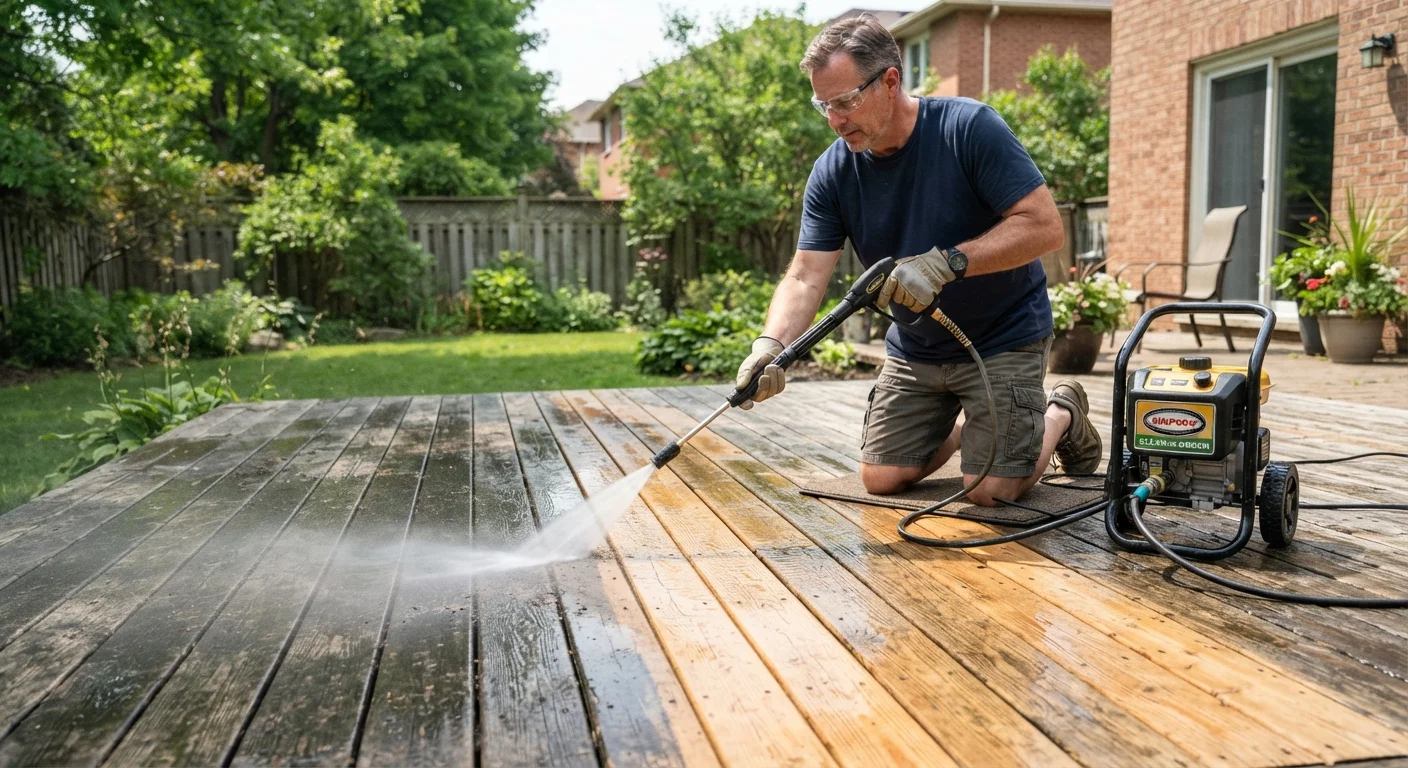
Photo credit: Wiseturt.com | Blogs Curated For You
In this article
Pressure washing can restore surfaces or cause real damage depending on technique and material. A balanced look at when and how to use it.
Key Takeaways
- Pressure washing effectively removes mold, mildew, algae, and built-up grime from many exterior surfaces.
- Using too much pressure or the wrong nozzle can permanently damage wood, vinyl siding, mortar, and painted surfaces.
- Matching PSI (pounds per square inch) and nozzle angle to the surface material is the most critical variable.
- Some surfaces - like old brick and certain wood siding types - are generally better handled by a licensed professional.
- Annual or biennial exterior washing is commonly recommended as part of a broader home maintenance routine.
Removes mold, mildew, and algae effectively
High-pressure water dislodges biological growth from concrete, siding, and decking that household cleaners struggle to fully remove. This helps prevent surface degradation caused by prolonged organic buildup.
Prepares surfaces for painting or sealing
Exterior paint and sealant adhere better to clean surfaces. Pressure washing before a refinishing project is a widely recommended prep step by painting contractors.
Faster and less labor-intensive than hand scrubbing
A pressure washer can clean a driveway or large deck section in a fraction of the time required by hand. This makes it practical for homeowners to clean large areas during a single session.
Can extend surface and coating life
Removing corrosive dirt, salts, and biological growth regularly may slow surface deterioration. Consistent exterior cleaning is commonly cited as a factor in maintaining curb appeal and surface integrity.
High PSI can erode mortar and grout
Older masonry joints are especially vulnerable - pressure washing can loosen and wash out mortar, creating pathways for water intrusion. Repairs to damaged masonry are often more costly than the cleaning would have saved.
Forces water into wall cavities on siding
Incorrect nozzle angle or excessive pressure on horizontal siding can drive water behind panels. Moisture trapped inside wall assemblies promotes mold, rot, and insulation damage.
Strips paint and damages soft wood surfaces
Older painted wood siding and softer lumber species like cedar can be physically gouged or stripped of their finish. The resulting bare wood is then exposed to weather without protection.
Risk of personal injury from high-pressure stream
A pressure washer stream - even at consumer-grade PSI - can lacerate skin and cause eye injuries. Proper protective equipment and technique are essential, and the equipment should never be directed at people or animals.
How Pressure Washing Actually Works
A pressure washer pumps water through a narrow nozzle at high velocity, generating a focused stream that can dislodge surface contaminants mechanical scrubbing often cannot. The force is measured in PSI, and consumer-grade machines typically range from 1,300 to 2,800 PSI. Professional units can exceed 4,000 PSI.
The nozzle angle - often described in degrees - determines how concentrated or spread the spray is. A 0-degree nozzle delivers a pinpoint jet capable of cutting into soft materials. A 40-degree nozzle fans the water widely and safely for delicate surfaces. Choosing the wrong nozzle for the task is one of the most common sources of accidental damage.
Pressure washing is part of a broader exterior upkeep strategy. See the seasonal home maintenance calendar for guidance on timing this task alongside other annual priorities.
What Pressure Washing Does Well
On appropriate surfaces, pressure washing delivers results that are difficult to match with other methods.
Removes mold, mildew, and algae effectively
High-pressure water dislodges biological growth from concrete, siding, and decking that household cleaners struggle to fully remove. This helps prevent surface degradation caused by prolonged organic buildup.
Prepares surfaces for painting or sealing
Exterior paint and sealant adhere better to clean surfaces. Pressure washing before a refinishing project is a widely recommended prep step by painting contractors.
Faster and less labor-intensive than hand scrubbing
A pressure washer can clean a driveway or large deck section in a fraction of the time required by hand. This makes it practical for homeowners to clean large areas during a single session.
Can extend surface and coating life
Removing corrosive dirt, salts, and biological growth regularly may slow surface deterioration. Consistent exterior cleaning is commonly cited as a factor in maintaining curb appeal and surface integrity.
Concrete driveways, brick patios, and stone walkways generally respond well to higher-pressure cleaning. Vinyl siding - particularly on newer construction - can be safely washed at lower pressures (around 1,200-1,500 PSI) with a wide-angle nozzle. Composite decking materials are often rated for pressure washing by manufacturers, though it's worth consulting the product specifications first.
Removing algae, mildew, and mold from exterior surfaces isn't just cosmetic - biological growth can degrade surface coatings and underlying materials over time if left unchecked.
1,200-1,500 PSI
Recommended range for most vinyl siding
Industry guidance from pressure washing associations generally recommends staying within this range for residential vinyl siding to avoid surface damage.
40°
Nozzle angle for delicate surfaces
A 40-degree nozzle spreads the water stream widely, reducing concentrated force - commonly recommended for painted wood, vinyl, and composite materials.
Where Pressure Washing Causes Real Damage
The same force that makes pressure washing effective also makes it hazardous in the wrong context.
High PSI can erode mortar and grout
Older masonry joints are especially vulnerable - pressure washing can loosen and wash out mortar, creating pathways for water intrusion. Repairs to damaged masonry are often more costly than the cleaning would have saved.
Forces water into wall cavities on siding
Incorrect nozzle angle or excessive pressure on horizontal siding can drive water behind panels. Moisture trapped inside wall assemblies promotes mold, rot, and insulation damage.
Strips paint and damages soft wood surfaces
Older painted wood siding and softer lumber species like cedar can be physically gouged or stripped of their finish. The resulting bare wood is then exposed to weather without protection.
Risk of personal injury from high-pressure stream
A pressure washer stream - even at consumer-grade PSI - can lacerate skin and cause eye injuries. Proper protective equipment and technique are essential, and the equipment should never be directed at people or animals.
Older brick and mortar are particularly vulnerable. Mortar joints - especially in homes built before the 1980s - can erode under high pressure, allowing water infiltration that leads to structural problems. This is a scenario where professional assessment is genuinely warranted. The guide to DIY vs. professional maintenance tasks covers how to make that call across a range of home systems.
Painted wood siding is another high-risk surface. Water forced behind paint can cause blistering, peeling, and - if it reaches framing - promote rot and mold inside wall cavities. Soft or weathered wood (like older cedar shakes) can splinter under pressure before any cleaning benefit is achieved.
When to Hire a Professional Washer
Surfaces like aged brick, soft historic wood siding, and tile roofs carry a meaningful risk of damage when pressure washed without experience. A licensed exterior cleaning professional will have equipment calibrated for soft-washing - a lower-pressure, chemical-assisted method that cleans effectively without the mechanical risk. If your home has older masonry or you are unsure about the material, getting a professional assessment first is a reasonable precaution. This also pairs with knowing which common maintenance misconceptions could lead to unintended costs.
Practical Guidelines Before You Start
A few habits significantly reduce the risk of accidental damage:
- Test on a hidden area first. Apply pressure to an inconspicuous section of the surface to observe how the material responds before committing to a full wash.
- Start with the lowest effective pressure. Begin with a wide-angle nozzle and lower PSI setting, then increase only if needed. You can always add force; you cannot undo damage.
- Keep the wand moving. Holding the stream in one spot - even briefly - concentrates force and risks etching or gouging the surface.
- Maintain safe distance. The closer the nozzle to the surface, the greater the effective pressure. A distance of 12-18 inches is a reasonable starting point for most exterior siding.
- Avoid directing water upward. Angling the stream upward on siding forces water under overlapping panels, directly into wall cavities.
Pressure washing is just one of several lesser-known maintenance tasks that protect long-term home value worth including in a regular exterior care routine.

Author
Home & Appliances Editorial Team
Home & Appliances Editorial Team is the collective byline for our editorial team and contributor network. Articles published under this byline or an editorial pen name are researched, written, and reviewed according to our editorial standards for clarity, consistency, and independence before publication.
View all articles →