
What the Market Going Down Actually Means for a Long-Term Investor
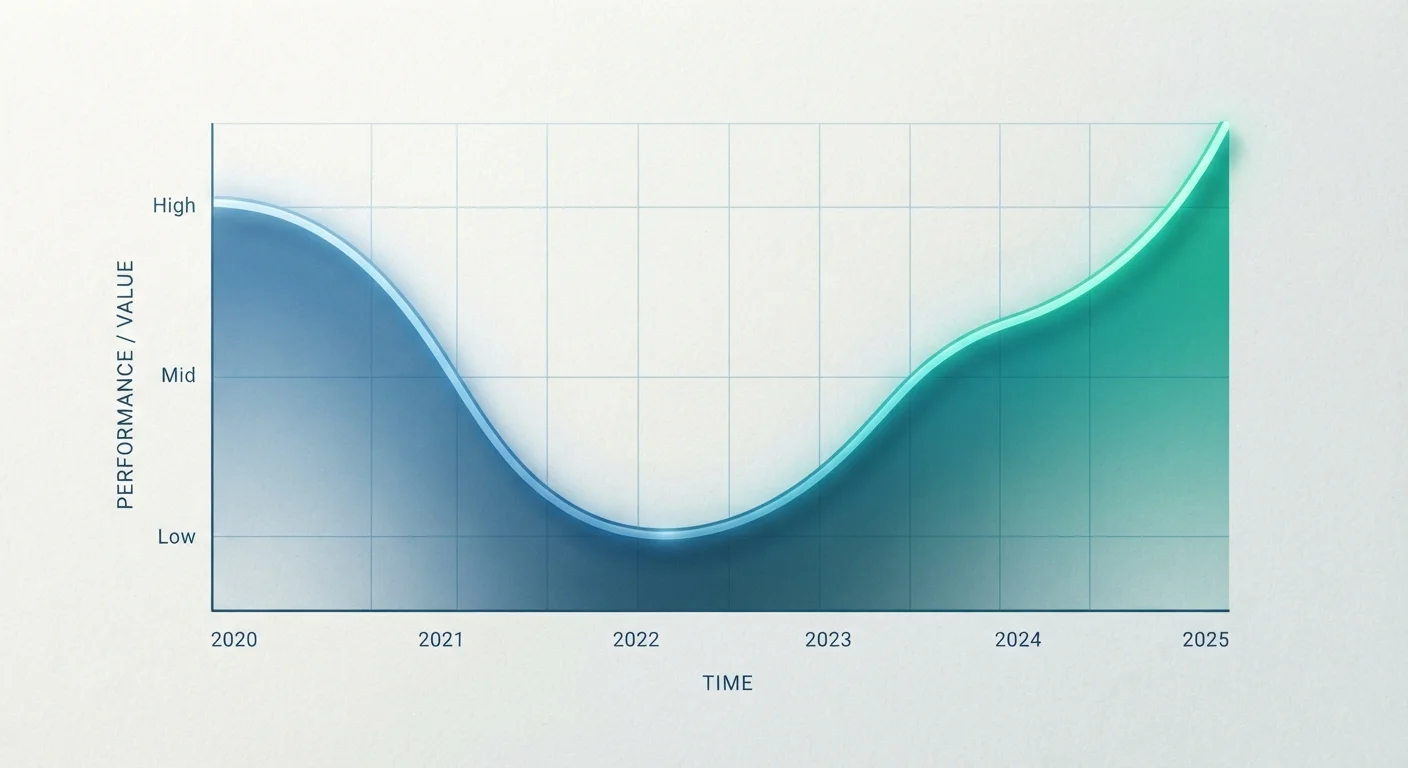
Photo credit: Wiseturt.com | Blogs Curated For You
In this article
Market drops feel alarming, but their impact depends heavily on your timeline and strategy. Here's a grounded look at how to interpret downturns.
Key Takeaways
- A market decline only becomes a realized loss when you sell your investments during the downturn.
- Long-term investors have historically recovered from market drops, though past performance doesn't guarantee future results.
- Emotional selling during downturns is one of the most common - and costly - investor mistakes.
- Diversification can reduce the impact of any single market event on your overall portfolio.
- Understanding your time horizon is the single most important factor in interpreting a market drop.
Why Market Drops Feel Worse Than They Often Are
Financial media is built to capture attention, and few things command attention like a red trading day. When headlines announce that the market has dropped hundreds of points, it's natural to feel anxious - especially if you're watching your account balance follow suit. But the way downturns are reported rarely reflects what they actually mean for someone investing over years or decades.
The core issue is framing. Short-term price movements are real events, but their significance to your financial future depends almost entirely on what you do next and when you actually need the money. A 10% market decline looks very different to a 30-year-old still decades from retirement than it does to someone planning to withdraw funds within the year.
Myth
When the market goes down, I'm losing real money that's gone forever.
Fact
A decline in portfolio value is a paper loss, not a realized one, unless you sell your holdings at the lower price.
Investment accounts display the current market value of your holdings - what they would fetch if sold today. When prices fall, that number drops, which feels like losing money. But you only lock in that loss by selling. If you hold through a downturn and prices recover, the loss existed only on paper. This is why your time horizon matters so much: an investor with 20 years ahead can ride out fluctuations that would devastate someone who needed the money next month.
Myth
A market crash means the economy is collapsing.
Fact
Markets and the broader economy are related but not the same thing - they frequently move out of sync.
Stock markets are forward-looking mechanisms that price in expectations, sentiment, and risk appetite - not just current economic conditions. Markets can fall sharply while employment remains strong, and they can rise during periods of genuine economic hardship. A 10% or even 20% market drop is classified as a correction or bear market respectively, but neither term implies economic collapse. Treating every downturn as a systemic crisis leads to decisions that rarely serve long-term investors well.
Myth
You should move to cash when the market starts falling to protect yourself.
Fact
Timing the market consistently and accurately is not something even professional investors reliably achieve.
The appeal of moving to cash during a downturn is intuitive: sell before it gets worse, buy back in at the bottom. In practice, identifying the bottom in real time is extraordinarily difficult. Research from institutions such as Dalbar consistently shows that average investor returns significantly lag market returns, largely because of poor timing decisions. Missing even a handful of the market's best days - which often occur shortly after the worst ones - can dramatically reduce long-term returns. Staying invested in a diversified portfolio aligned with your risk tolerance is generally a more dependable strategy than reacting to short-term moves.
Myth
If the market is down, there's nothing positive about it for investors.
Fact
For investors still in the accumulation phase, lower prices mean they're buying more shares for the same contribution amount.
If you contribute regularly to a retirement account or investment plan, a market downturn means your fixed contributions purchase more units or shares than they would at peak prices. This dynamic - sometimes called dollar-cost averaging - means long-term accumulators can actually benefit from periods of lower prices, provided the market recovers over their investment horizon. The effect works in reverse for those drawing down their portfolio, which is why the stage of your investing journey shapes how a downturn should be interpreted. Understanding how diversification reduces portfolio volatility can also help you see downturns in a broader context.
Myth
A diversified portfolio is just as vulnerable to market drops as a concentrated one.
Fact
Diversification doesn't eliminate risk, but it reduces the impact of any single asset or sector falling sharply.
A portfolio concentrated in one sector or asset class is fully exposed to whatever happens in that narrow area. A diversified portfolio spreads exposure across asset types, geographies, and sectors, so a severe drop in one area is partially offset by stability or gains elsewhere. It's not a shield against all losses - when broad markets fall, most assets are affected to some degree - but diversification reduces the severity of the blow and smooths the overall experience. Think of it as managing risk rather than eliminating it.
Common Misconceptions That Lead Investors Astray
Many of the most damaging financial decisions consumers make during market volatility stem from deeply held misconceptions - beliefs that feel intuitively correct but don't hold up under scrutiny. Understanding where these myths come from, and what the evidence actually shows, is one of the most practical things a long-term investor can do.
Selling in a Panic Can Lock In Losses
When markets fall sharply, the instinct to sell and 'stop the bleeding' is understandable - but it converts a paper loss into a real one. If you sell while prices are down and wait to feel confident before reinvesting, you may miss the early stages of a recovery, which are often the steepest. Exiting and re-entering the market based on emotion consistently underperforms a steady, long-term approach.
It's also worth noting that fees continue to matter during downturns. If your portfolio drops and you're paying elevated management costs on top of that, the drag compounds. Learning to identify fees that quietly erode your returns is a useful complement to understanding market risk.
Once a downturn passes - or while you're waiting for one to - it's also worth considering whether your asset mix still reflects your original plan. Markets shift portfolio weightings over time, and rebalancing your portfolio back to your target allocation is a practical discipline that many investors overlook until things go wrong.
This Is General Education, Not Personal Advice
The information in this article is intended for general financial literacy purposes only and does not constitute personalized investment advice. Every investor's situation - including their risk tolerance, timeline, and goals - is different. Consult a licensed financial adviser before making decisions about your own portfolio.
This article is for general informational and educational purposes only and does not constitute personalized investment, financial, or legal advice. Consult a qualified financial adviser to discuss your specific circumstances before making any investment decisions.

Author
Investment & Insurance Editorial Team
Investment & Insurance Editorial Team is the collective byline for our editorial team and contributor network. Articles published under this byline or an editorial pen name are researched, written, and reviewed according to our editorial standards for clarity, consistency, and independence before publication.
View all articles →