
The Honest Trade-offs of Cashback Reward Programs
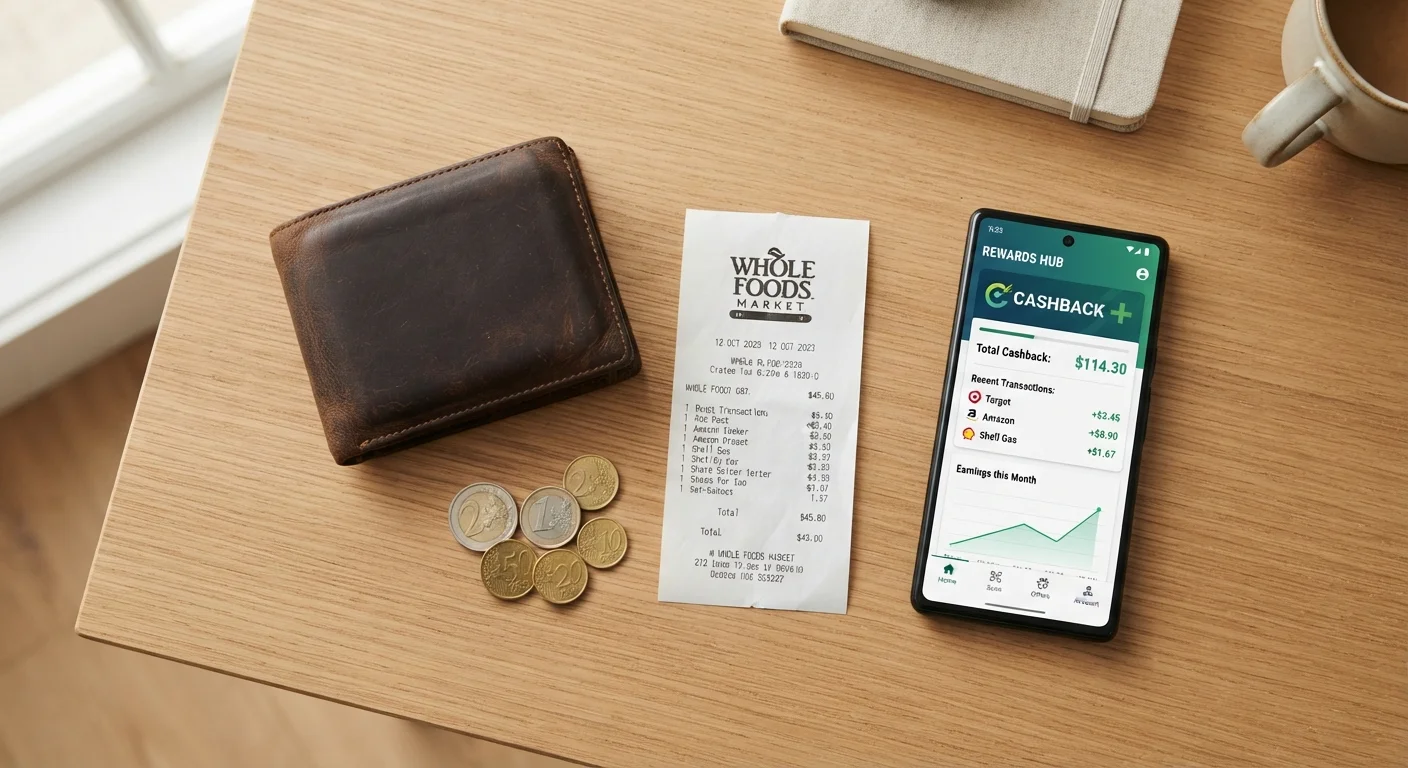
Photo credit: Wiseturt.com | Blogs Curated For You
In this article
Cashback sounds straightforward, but the fine print matters. A balanced look at what these programs genuinely offer and where they fall short.
Key Takeaways
- Cashback programs return a small percentage of spending, typically between 1% and 5%.
- Signup bonuses and category multipliers can boost value, but often come with conditions.
- Overspending to earn rewards is one of the most common and costly traps.
- Annual fees, expiration rules, and payout thresholds can quietly erode returns.
- Cashback works best as a passive benefit on planned purchases, not a savings strategy.
Returns real money on everyday purchases
Even a 1.5% flat cashback rate on $2,000 in monthly spending yields $360 annually with no lifestyle changes required.
Low effort once set up
Unlike coupon clipping or price matching, cashback is typically applied automatically at the point of purchase or billing cycle.
Category bonuses amplify value on predictable spending
Many programs offer 3%-5% back on specific categories like gas, dining, or streaming services - areas where household budgets are often consistent.
Signup bonuses can offer front-loaded value
Some cashback cards offer $150-$200 welcome bonuses after meeting a minimum spend threshold, which can represent a meaningful short-term return.
Flexible redemption options
Many programs allow you to apply cashback as a statement credit, direct deposit, or gift card, giving you control over how and when you use the return.
Encourages spending to earn rewards
The psychological pull of earning a percentage back can lead to purchases that would not otherwise occur, producing a net financial loss despite the reward.
Annual fees can erase the benefit
Premium cashback cards often carry annual fees of $95-$550. Unless your spending volume and category mix justify the fee, the net return may be negative.
Minimum redemption thresholds delay access to earnings
Many programs withhold payouts until your cashback balance reaches a set minimum, which can take months for light spenders to reach.
Interest charges dwarf any cashback earned
Carrying a balance on a cashback credit card at standard APRs will cost far more in interest than the program returns - making it a losing proposition for revolving borrowers.
Rotating categories add complexity and friction
Some programs require quarterly activation of bonus categories, meaning inattentive cardholders earn only the base rate even when the bonus rate applies.
Points and rewards can expire
Inactive accounts or program rule changes can result in accumulated cashback being forfeited - a risk that is easy to overlook in fine print.
What Cashback Programs Actually Are
Cashback programs refund a percentage of what you spend - typically through a credit card, a retailer loyalty account, or a third-party app. The rebate is credited to your account, applied as a statement credit, or paid out via check or direct deposit. Rates generally range from 1% to 5%, with elevated rates on specific spending categories like groceries, gas, or dining.
These programs are not free money. They are funded largely by interchange fees - the transaction fees merchants pay to card networks - as well as by the interest charged to customers who carry a balance. Understanding that funding model helps clarify what cashback programs are optimised for: encouraging spending volume, not reducing your overall costs.
For a broader view of how small automated saving habits interact with programs like these, see our piece on automating your savings.
The Real Advantages
When used correctly, cashback programs offer tangible, if modest, financial benefits.
Returns real money on everyday purchases
Even a 1.5% flat cashback rate on $2,000 in monthly spending yields $360 annually with no lifestyle changes required.
Low effort once set up
Unlike coupon clipping or price matching, cashback is typically applied automatically at the point of purchase or billing cycle.
Category bonuses amplify value on predictable spending
Many programs offer 3%-5% back on specific categories like gas, dining, or streaming services - areas where household budgets are often consistent.
Signup bonuses can offer front-loaded value
Some cashback cards offer $150-$200 welcome bonuses after meeting a minimum spend threshold, which can represent a meaningful short-term return.
Flexible redemption options
Many programs allow you to apply cashback as a statement credit, direct deposit, or gift card, giving you control over how and when you use the return.
1%-5%
Typical cashback rate range
Standard cashback rates across major US credit card programs, with higher rates generally restricted to specific spending categories.
$360
Annual return at 1.5% on $2,000/month
A straightforward illustration of flat-rate cashback on moderate household spending, assuming no balance is carried and no annual fee applies.
Category bonuses are where the math gets more interesting. A card offering 3%-5% back on groceries for a household spending $600 per month on food returns $216-$360 annually - without changing a single shopping habit. Pairing cashback with price-tracking tools, as explored in our comparison of price history trackers and coupon extensions, can stack savings without additional effort.
The Real Disadvantages
The downsides of cashback programs are less visible but just as real. Understanding them is essential before factoring these programs into your spending decisions.
Encourages spending to earn rewards
The psychological pull of earning a percentage back can lead to purchases that would not otherwise occur, producing a net financial loss despite the reward.
Annual fees can erase the benefit
Premium cashback cards often carry annual fees of $95-$550. Unless your spending volume and category mix justify the fee, the net return may be negative.
Minimum redemption thresholds delay access to earnings
Many programs withhold payouts until your cashback balance reaches a set minimum, which can take months for light spenders to reach.
Interest charges dwarf any cashback earned
Carrying a balance on a cashback credit card at standard APRs will cost far more in interest than the program returns - making it a losing proposition for revolving borrowers.
Rotating categories add complexity and friction
Some programs require quarterly activation of bonus categories, meaning inattentive cardholders earn only the base rate even when the bonus rate applies.
Points and rewards can expire
Inactive accounts or program rule changes can result in accumulated cashback being forfeited - a risk that is easy to overlook in fine print.
Read the Rotating Category Rules Carefully
Several popular cashback programs advertise high rates - sometimes 5% - but only on rotating categories that change every quarter and must be manually activated. Missing the activation window means earning the base rate, which is often just 1%. Before choosing a program based on its headline rate, confirm whether that rate applies automatically or requires ongoing action on your part.
The most financially significant risk is overspending to chase rewards. If a 2% cashback rate motivates $200 in purchases you would not have otherwise made, you have spent $196 more than you gained. This pattern is well-documented in consumer behaviour research and is one reason these programs remain profitable for issuers. For more on how apparent deals can inflate total spending, see why your great deal sometimes costs more.
How to Use Cashback Programs Without Getting Burned
The core principle is simple: cashback should follow your spending, not direct it. If a program changes where or how much you buy, the program is working for the issuer, not for you.
- Match the program to your existing habits. If you already spend heavily on groceries, a card with elevated grocery cashback captures value without changing behaviour.
- Check the payout thresholds and expiration rules before signing up. Some programs require a minimum balance - often $20-$25 - before redemption is available, and points can expire if the account is inactive.
- Calculate the net value after any annual fee. A $95 annual fee requires you to earn at least $95 in cashback just to break even. Model this before committing.
- Pay your balance in full each month. Interest charges at typical credit card rates (often 20%-28% APR) will erase any cashback earned many times over.
Pairing these tactics with consistent budgeting habits makes the biggest difference. The smart deal-hunting habits that hold up over time are built around discipline, not rewards chasing. For a structured approach to managing spending limits alongside any rewards program, the Smart Budgeting hub offers additional guidance.
This article is for general informational purposes only and does not constitute personalised financial advice. Consult a qualified financial professional for guidance specific to your situation.

Author
Smart Shopping Editorial Team
Smart Shopping Editorial Team is the collective byline for our editorial team and contributor network. Articles published under this byline or an editorial pen name are researched, written, and reviewed according to our editorial standards for clarity, consistency, and independence before publication.
View all articles →