
Grocery Budget Discipline: Practical Principles Behind Consistent Savings at the Store
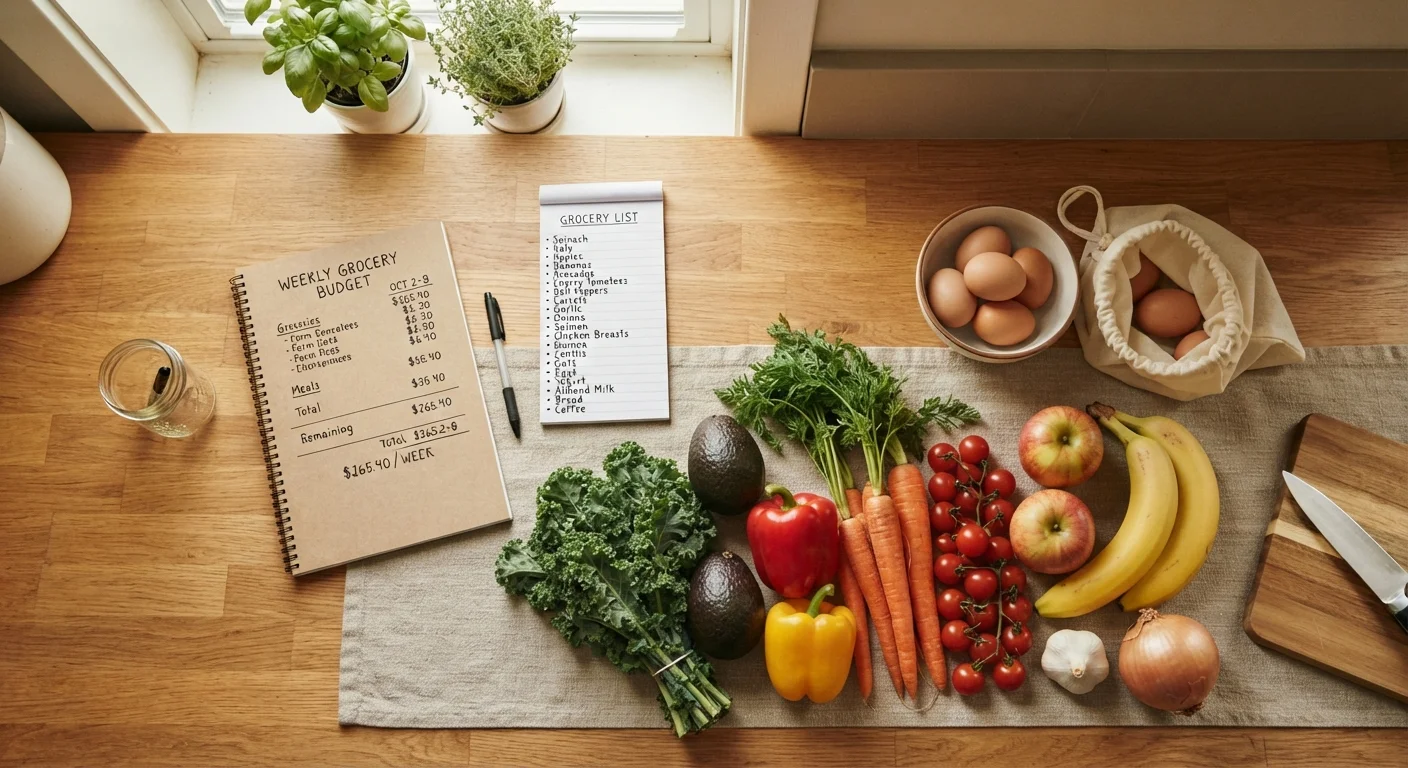
Photo credit: Wiseturt.com | Blogs Curated For You
In this article
Consistent grocery savings aren't about luck or coupons — they come from a few repeatable habits. Here are the principles that hold up across shopping trips.
Key Takeaways
- Shopping with a pre-planned list reduces impulse purchases and keeps total spend predictable.
- Unit price comparison - not package size - is the most reliable way to evaluate value.
- Meal planning before shopping prevents food waste, which silently inflates most grocery budgets.
- Store-brand substitutions on staple items typically offer equivalent quality at lower cost.
- Knowing your household's baseline spend makes it possible to track genuine progress over time.
Why Discipline Beats Deal-Chasing
Most grocery savings advice focuses on tactics - coupons, loyalty points, flash sales. Those tools have their place, but they're unreliable as a primary strategy. Discounts come and go; habits compound. For cost-conscious households, the bigger opportunity lies in eliminating the low-visibility waste that accumulates across every shopping trip: items that spoil unused, impulse purchases that weren't budgeted, and brands that charge a premium for packaging rather than performance.
This article outlines the foundational practices that keep grocery spending consistently lower - not by chasing deals, but by removing the friction points that cause overspending in the first place. For a broader framework on household spending, see the complete budgeting guide.
~$1,500
Average annual US household food waste cost
According to USDA estimates, the average US household discards roughly $1,500 worth of food annually - much of it from over-buying without a use plan.
20-40%
Typical store-brand savings on staple items
Consumer Reports and USDA food pricing data consistently show store-brand staples priced 20-40% below comparable name-brand products in most categories.
Core Practices for Consistent Grocery Savings
The following principles are ordered by the lever they pull - starting with planning, moving through in-store decisions, and ending with review. Each practice is independent; applying even two or three consistently will have a measurable effect on monthly spend.
Always shop from a written list built before you leave home.
Unplanned purchases are the single largest driver of grocery budget overruns. A list anchors your attention to needs rather than in-store promotions and display placements, which are designed to trigger unplanned spending. It also reduces repeat trips for forgotten items.
Compare unit prices, not package prices.
Retailers vary package sizes in ways that obscure which product is actually cheaper per ounce, per serving, or per count. The unit price (usually displayed on the shelf tag) removes that ambiguity. Larger packages are not always cheaper per unit - this depends on the product and the store.
Plan meals for the week before building your shopping list.
Food waste is one of the most overlooked budget leaks. Buying ingredients without a plan for how they'll be used leads directly to spoilage. Meal planning ensures every item purchased has a specific role, reducing both over-buying and waste. It also makes it easier to shop for nutritious options without overspending - see eating well on a budget for evidence-informed guidance.
Default to store-brand products for staple categories.
For commodity products - flour, canned beans, frozen vegetables, pasta, cooking oil - store-brand versions are typically manufactured to similar standards as name-brand equivalents but priced 20-40% lower. The quality difference in staple categories is usually marginal; switching brand-to-brand loyalty for premium packaging rarely pays off.
Set a firm budget before entering the store and track as you shop.
A budget stated only as a monthly intention is too abstract to influence in-store decisions. A per-trip dollar limit - ideally tracked in real time using a running total on your phone - creates a concrete constraint that filters purchasing decisions at the point of choice.
Audit your pantry before each shopping trip.
Buying duplicates of items already on hand wastes money and shelf space. A quick pantry check before writing your list prevents redundant purchases and surfaces ingredients that can anchor the week's meals - reducing the total list length.
Quick Actions You Can Take This Week
You don't need to overhaul your entire routine at once. Start with the actions below - each takes under 30 minutes and produces results on the next shopping trip.
For shoppers who also want to make sure their cart covers nutritional needs without adding cost, the weekly grocery checklist offers a practical starting point.
Tracking Progress and Staying Consistent
Budget discipline at the grocery store is a skill that improves with feedback. Without tracking, most households have no accurate sense of what they actually spend - estimates tend to run 20-30% below real figures, based on common patterns in personal finance research. A simple method: keep receipts for four weeks, total each week, and calculate an average. That average becomes your baseline.
Use Four Weeks of Receipts as Your Baseline
Before setting a grocery budget target, collect and total four consecutive weeks of actual receipts. Most households underestimate their real spend. A factual baseline - not a guess - is the only meaningful starting point for setting a realistic reduction goal. Once you have it, even a 5% weekly target is concrete and achievable.
From there, modest weekly targets - even a 5-10% reduction - give you a concrete goal without requiring dramatic lifestyle changes. If you're also working on broader savings goals, principles behind effective financial target-setting explains how to make those targets durable. And if you're curious about where deal-hunting fits alongside these habits, smart deal-hunting habits covers the approaches that hold up over time.
Coupons and Deals Have a Supporting Role
The practices in this article focus on structural habits rather than promotional tactics. Coupons and store deals can complement these habits - but they work best when applied to items already on your list, not as a reason to buy something new. If you want to understand where deal-hunting fits, coupon stacking mechanics and limits covers how to use multiple discounts without running into retailer restrictions.

Author
Smart Shopping Editorial Team
Smart Shopping Editorial Team is the collective byline for our editorial team and contributor network. Articles published under this byline or an editorial pen name are researched, written, and reviewed according to our editorial standards for clarity, consistency, and independence before publication.
View all articles →