
National Parks Road Trip: Planning a Route Through America's Public Lands
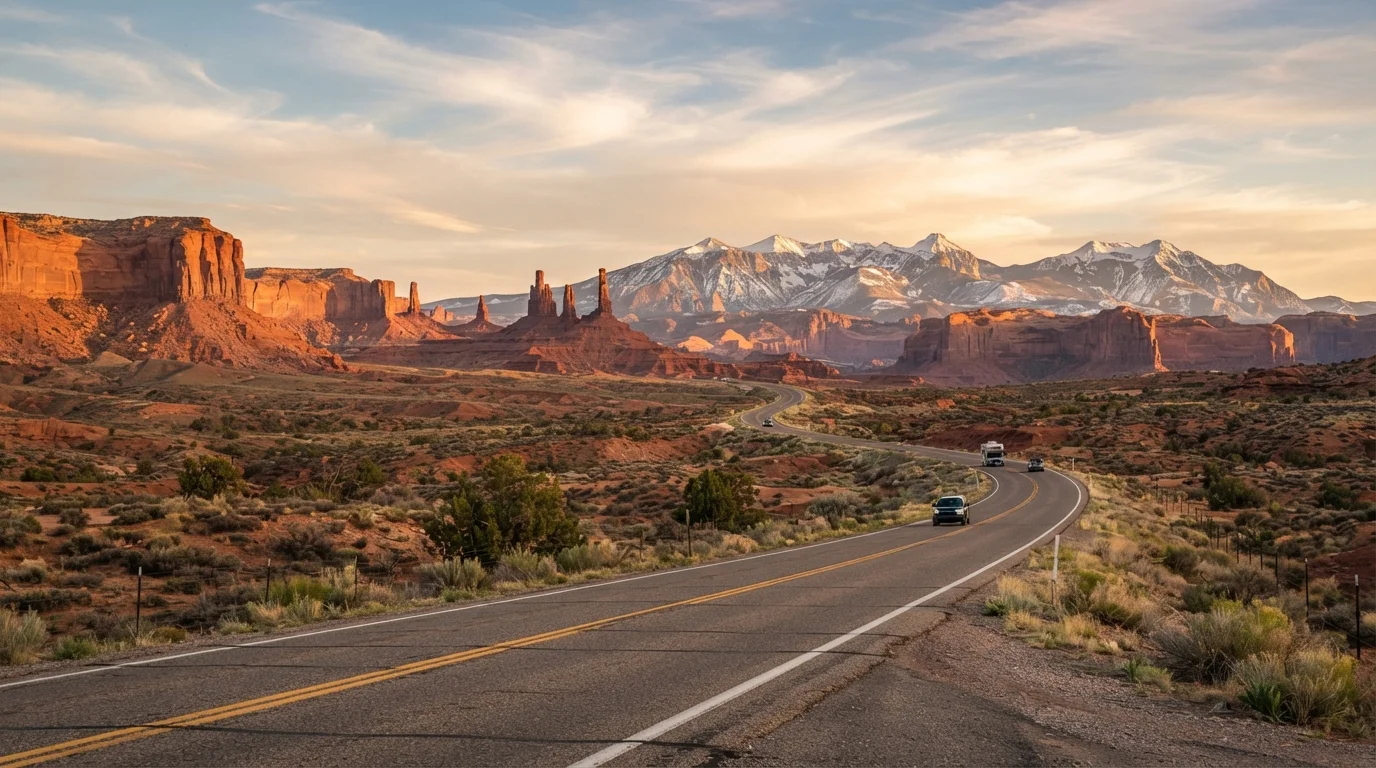
Photo credit: Wiseturt.com | Blogs Curated For You
In this article
From permits to park passes, here's what you need to know before driving between US national parks on a single trip.
Key Takeaways
- The America the Beautiful Annual Pass covers entrance fees at most national parks and federal lands.
- Timed-entry permits at high-traffic parks often sell out weeks or months in advance.
- Routing your trip geographically rather than by wishlist reduces driving time significantly.
- Camping reservations inside park boundaries require early planning, especially for peak summer dates.
- Buffer days between major stops protect your itinerary from weather delays and unexpected closures.
Before You Map a Single Mile
A national parks road trip is one of the most rewarding ways to experience the American landscape - but the gap between a dreamy wishlist and a trip that actually works comes down to early, deliberate planning. If you're new to organizing multi-stop trips, this first-timer's roadmap is a solid starting point before you dive into park-specific logistics.
Start by listing every park you'd ideally visit, then overlay that list on a map. Grouping destinations by region - say, the Colorado Plateau parks (Grand Canyon, Zion, Bryce Canyon, Arches) or the Pacific Northwest corridor (Crater Lake, Olympic, North Cascades) - cuts unnecessary backtracking and keeps driving days manageable. A route built around geography, rather than pure enthusiasm, is far less exhausting and usually far more enjoyable.
Also think honestly about your travel window. Most parks are most accessible between late spring and early fall, but peak summer means peak crowds. Shoulder seasons - May and September in particular - tend to offer a better balance of weather, accessibility, and space.
What you will need
Passes, Permits, and Reservations Explained
This is where many first-time road trippers get caught off guard. Federal public lands have a layered system of fees and access controls that can vary significantly from park to park.
The America the Beautiful Annual Pass (available through the National Park Service and other federal agency websites) covers entrance fees at most national parks, national monuments, and other federal recreation areas for 12 months from the purchase date. It covers the passholder and up to three additional adults. For anyone visiting three or more fee-charging sites in a year, it typically represents meaningful savings - though you should verify current pricing and coverage directly with the NPS before purchasing.
Timed-entry permits are a separate matter entirely. Parks like Glacier, Yosemite, Rocky Mountain, and Zion have introduced reservation or permit systems to manage overcrowding on specific corridors and at peak times. These permits are often released months in advance and sell out quickly. Check the official Recreation.gov site and each park's NPS page for current permit requirements - these details change seasonally and year to year.
Campsite reservations inside park boundaries follow a similar pattern. Coveted spots at Yosemite Valley, the South Rim of the Grand Canyon, or Yellowstone's Fishing Bridge typically open for reservations six months out and disappear within minutes. Build your preferred camping nights into your route first, then plan the rest of your schedule around those anchor dates.
Don't Rely on Last-Minute Permit Availability
Popular parks release a small percentage of timed-entry permits on a rolling or day-of basis, but counting on these is genuinely risky - especially during summer. If a specific park or trail is a priority for your trip, treat its permit as the first thing to secure, not an afterthought. Building your route around confirmed reservations is far less stressful than scrambling at the gate.
Building a Route That Holds Together
One of the most common planning mistakes on multi-destination trips is under-estimating time - both driving time and time inside each park. Learn why itineraries fall apart and how to build in the buffer days that keep a road trip from becoming a stressful sprint.
A practical approach: anchor your route around two or three must-visit parks and treat the stops in between as bonuses rather than obligations. This reduces the psychological pressure of ticking boxes and leaves room for the spontaneous detours that make road trips memorable.
Plan no more than four to five hours of driving on any given day that also includes meaningful park time. Factor in altitude changes, unpaved roads, and seasonal road closures - many high-elevation park roads don't fully open until late spring. The NPS website publishes current road condition alerts for each park; bookmark them and check them again the week before departure.
Plan Driving Days Around Park Hours
Most parks charge entrance fees based on a calendar day, not a 24-hour window. Arriving near closing time wastes a full day's permit or pass value. Aim to reach each park the evening before your full exploration day - many campgrounds allow late check-in, and you'll start the next morning already inside the gate.
For a broader look at how all these planning pieces fit together - from research through day-of logistics - the anatomy of a well-planned trip walks through every phase in a way that translates directly to a parks road trip context.
Practical Checklist Before You Leave
With your route, permits, and reservations locked in, shift attention to trip-ready logistics. A thorough pre-trip checklist covers the essentials - documents, health prep, packing - but a parks road trip adds a few specific considerations.
Confirm Your Vehicle Is Road-Trip Ready
Have your vehicle serviced before a long road trip - especially if it involves unpaved or high-elevation roads. Check tire condition and pressure, fluid levels, brakes, and that your spare tire is functional. Some backcountry park access roads require high-clearance or four-wheel-drive vehicles; verify road requirements for each park on your route.
Secure Your America the Beautiful Pass and Any Required Permits
Purchase your annual pass through Recreation.gov or an authorized NPS outlet. Then log in to Recreation.gov and each relevant park's NPS page to check for timed-entry permits, vehicle reservations, or wilderness permits. Screenshot and print confirmation numbers - cell signal is not guaranteed at entrance stations.
Book Campgrounds or Lodging in Advance
Use Recreation.gov to book federal campgrounds. For lodging inside parks (lodge rooms, glamping units), book through the official park concessionaire listed on the NPS site. Note cancellation policies carefully - plans change, and flexibility can matter on a multi-week trip.
Pack for Variable Conditions
Mountain weather changes fast. Even in summer, high-elevation parks can drop to near-freezing overnight. Pack layers, rain gear, and sun protection regardless of your destination. Carry enough water for a full day in the field - many trailheads have limited or no water access.
Review Leave No Trace Principles Before Each Park
Each park has specific rules around campfires, wildlife feeding, off-trail hiking, and waste disposal. Fines for violations can be significant, and some behaviors cause lasting ecological harm. Spend ten minutes on each park's NPS page reviewing current rules before you arrive - not after.
Always verify current park entry requirements, road conditions, permit availability, and safety advisories directly with official government and park sources before you travel. Conditions change, and published details in any third-party guide - including this one - may not reflect the most current information.

Author
Travel & Tours Editorial Team
Travel & Tours Editorial Team is the collective byline for our editorial team and contributor network. Articles published under this byline or an editorial pen name are researched, written, and reviewed according to our editorial standards for clarity, consistency, and independence before publication.
View all articles →