
Why Your Travel Itinerary Keeps Falling Apart
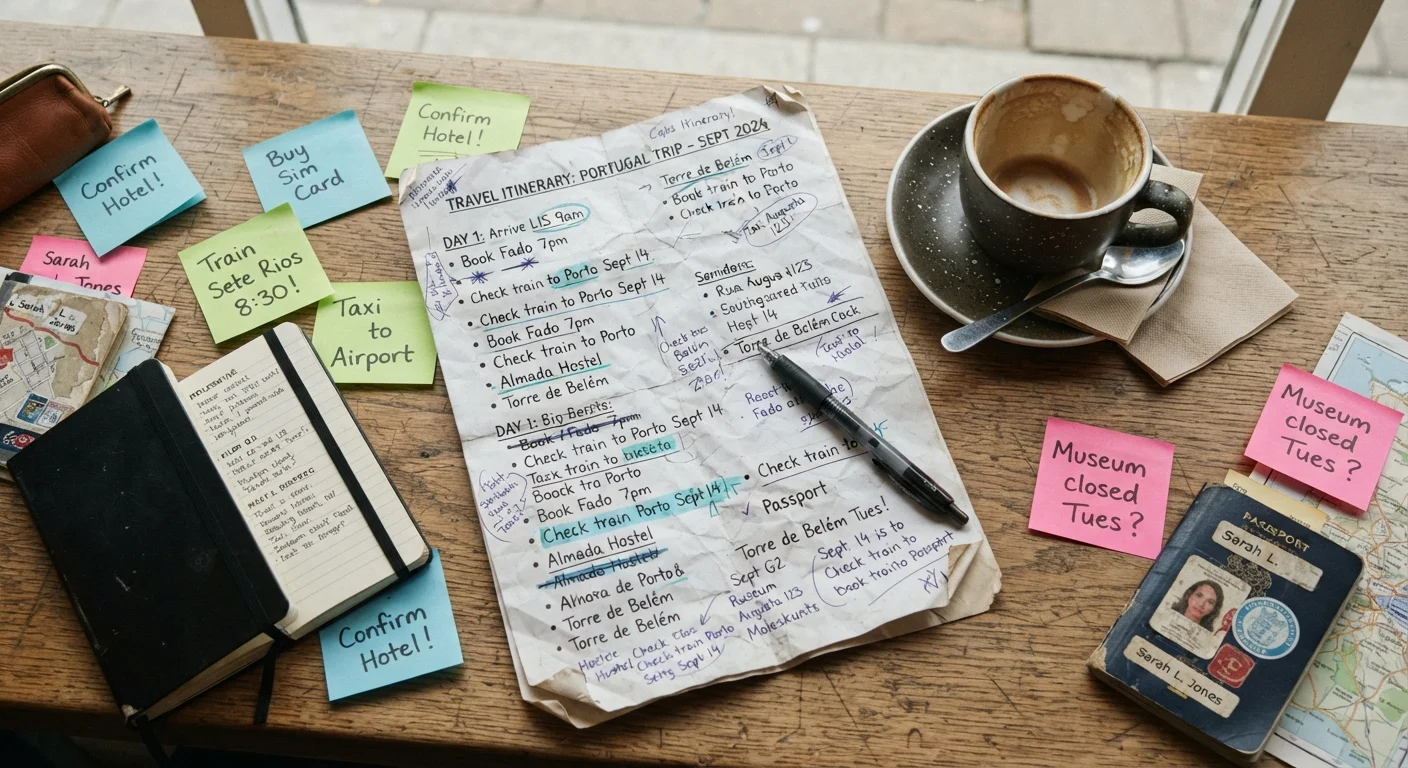
Photo credit: Wiseturt.com | Blogs Curated For You
In this article
Common planning missteps—over-scheduling, ignoring transit time, skipping buffer days—explained and corrected so your next trip runs more smoothly.
Key Takeaways
- Over-scheduling is the single most common reason itineraries collapse on day two or three.
- Transit time between destinations is routinely underestimated and can eat hours from your day.
- Buffer days - unscheduled blocks - are a structural necessity, not a luxury.
- Rigid booking sequences mean one missed connection can cascade into lost reservations.
- Aligning your itinerary with realistic energy levels prevents burnout mid-trip.
The Planning Trap Most Travelers Don't See Coming
There's a particular kind of optimism that kicks in when you're building a travel itinerary at home: everything seems doable, the days feel long, and enthusiasm is high. Then day two arrives and the whole thing starts to buckle. A late breakfast, unexpected traffic, a museum that required a timed entry you didn't know about - and suddenly you're two hours behind on a schedule with no slack built in.
This isn't bad luck. It's a structural problem that most itineraries share, and it's entirely fixable. The mistakes below are the most common culprits - each one predictable, each one avoidable once you know what to look for. For a solid foundation before diving in, see this first-timer's planning roadmap.
Packing too many activities into each day, leaving zero margin for the unexpected.
Why it happens: Travelers feel pressure to "see everything" and treat each hour as an opportunity. Online destination guides often list dozens of attractions without any sense of realistic pacing.
Ignoring transit time between attractions, hotels, airports, and neighborhoods.
Why it happens: Map apps show driving or transit time under ideal conditions. Travelers often forget to factor in walking to a station, waiting for transport, parking, or simply getting lost in an unfamiliar city.
Booking a rigid chain of reservations with no flexibility between them.
Why it happens: Travelers want certainty and often equate having everything booked with having everything under control. In reality, rigid sequences amplify the impact of any disruption.
Skipping buffer days entirely, especially on longer international trips.
Why it happens: Buffer days feel like "wasted" vacation time when you're planning from home. It's only mid-trip - exhausted and behind schedule - that their value becomes obvious.
Misjudging personal energy and stamina across consecutive high-activity days.
Why it happens: Itineraries are built during the excitement of planning, when everything sounds manageable. Fatigue from jet lag, walking, heat, or sensory overload is rarely accounted for in advance.
Booking tours or experiences that don't fit the trip's actual pace or your interests.
Why it happens: Popular tours look appealing online but may conflict with your travel style, physical comfort level, or the rhythm of the rest of your itinerary.
How to Build an Itinerary That Actually Survives Contact With Reality
The antidote to a fragile itinerary isn't less ambition - it's smarter structure. A realistic plan accounts for how travel actually feels on the ground, not how it looks on a spreadsheet.
One Missed Connection Can Cascade
When bookings are chained tightly together - flight, hotel check-in, timed museum entry, dinner reservation - a single delay can invalidate everything downstream. Before finalising your itinerary, identify where a 2-3 hour delay would cause the most damage and add deliberate breathing room at those exact points. This is especially critical on the first and last days of any trip.
Start by separating your trip into two categories: anchors and fillers. Anchors are the experiences you've specifically traveled for - the ones worth firm reservations and advance planning. Fillers are everything else, left deliberately loose so you can respond to weather, mood, or a local recommendation you couldn't have anticipated. This approach pairs well with a flexible travel budget strategy that gives you financial room to adapt on the fly.
If you're heading somewhere culturally unfamiliar - Southeast Asia, for instance - practical surprises can derail even a thoughtfully built schedule. It's worth reviewing what catches US travelers off guard in Southeast Asia before finalizing any plans there.
62%
Travelers who report feeling rushed mid-trip
A recurring theme in travel satisfaction surveys is that over-scheduling - not under-spending - is the leading cause of trip dissatisfaction among US leisure travelers.
2-3 hrs
Daily time lost to underestimated transit
Travel researchers and experienced tour operators consistently note that travelers underestimate point-to-point movement time by one to three hours per day in unfamiliar cities.
The travelers who enjoy their trips most aren't the ones who saw the most - they're the ones who planned well enough to stay present instead of spending every day scrambling to catch up.

Author
Travel & Tours Editorial Team
Travel & Tours Editorial Team is the collective byline for our editorial team and contributor network. Articles published under this byline or an editorial pen name are researched, written, and reviewed according to our editorial standards for clarity, consistency, and independence before publication.
View all articles →