
New York City Neighborhoods Every First-Time Visitor Should Actually Explore
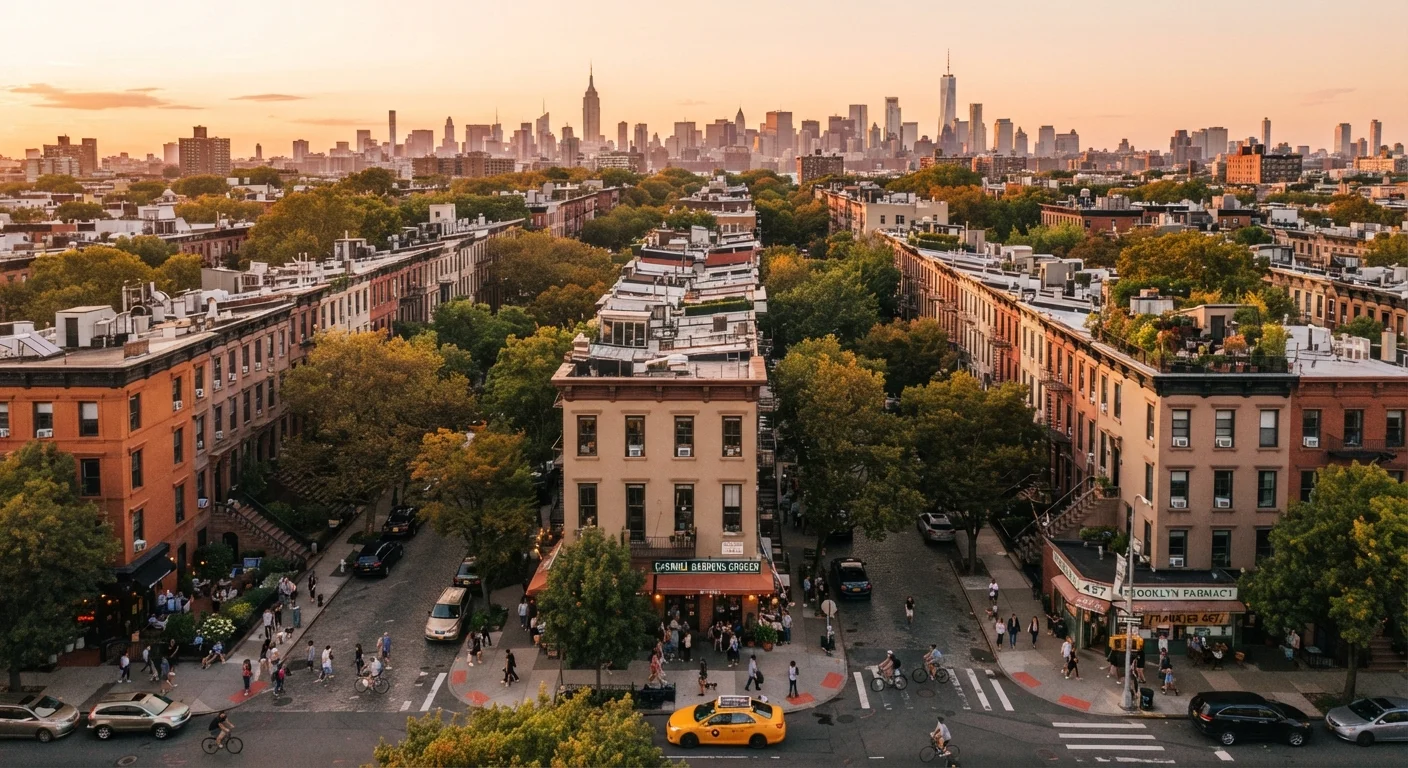
Photo credit: Wiseturt.com | Blogs Curated For You
In this article
Beyond Times Square, NYC's neighborhoods tell richer stories. A practical guide to where to go, what to expect, and how to get around.
Key Takeaways
- Manhattan's most famous blocks are worth seeing, but NYC's real character lives in its outer neighborhoods.
- Each neighborhood has a distinct vibe, food scene, and transit access - knowing the differences helps you plan smarter.
- The subway connects most neighborhoods efficiently; a MetroCard or OMNY tap-to-pay is your best friend.
- Many of NYC's most rewarding areas are entirely walkable and free to explore.
- Conditions, hours, and local businesses change frequently - always verify details before your visit.
Why First-Timers Should Think Beyond the Obvious Stops
Times Square is loud, bright, and genuinely iconic - but spending your whole NYC trip there is a bit like reading only the cover of a book. New York City is a collection of dozens of distinct neighborhoods, each with its own personality, food culture, architectural flavor, and local energy. For first-time visitors, exploring even two or three beyond the standard postcard stops can completely transform the experience.
If you're still building out the bones of your itinerary, the first-timer's trip planning roadmap is a great place to start before diving into neighborhood specifics. And if you're curious about how to structure your time around what you actually want to do - not just see - planning around experiences rather than destinations offers a useful reframe.
Below are seven neighborhoods that consistently reward first-time visitors with something real and memorable.
The West Village, Manhattan
Narrow cobblestone streets, Federal-style townhouses, and an unhurried pace make the West Village feel like a different city entirely. It's ideal for a slow morning walk followed by brunch at one of the many independent cafés tucked along Bleecker or Hudson Streets. The neighborhood also sits steps from the High Line, an elevated park built on a former rail line that stretches north through Chelsea.
The West Village's cobblestone charm and slow pace feel like a welcome escape from Midtown's relentless energy.
Astoria, Queens
Astoria is one of New York's most ethnically diverse neighborhoods and one of its most undervisited by tourists. The Greek food scene along Ditmars Boulevard is well-established, but you'll also find Egyptian, Ethiopian, and South Asian restaurants within a few blocks of each other. The Museum of the Moving Image, dedicated to the art and history of film and television, is located here and makes for a genuinely engaging half-day visit.
Astoria's remarkable culinary diversity and the Museum of the Moving Image make it a standout destination in Queens.
Brooklyn Heights and DUMBO
Brooklyn Heights offers some of the most sweeping views of lower Manhattan from its promenade along the waterfront - and it requires no admission fee. Just north, the DUMBO neighborhood (Down Under the Manhattan Bridge Overpass) sits beneath the iconic bridge arches and is home to independent galleries, design studios, and a vibrant weekend market scene at Brooklyn Bridge Park. The two areas are a short walk apart and pair naturally.
The Brooklyn Heights Promenade offers some of the finest free views of the Manhattan skyline in the entire city.
Harlem, Upper Manhattan
Harlem carries one of the most significant cultural histories of any American neighborhood, rooted in the Harlem Renaissance of the early 20th century and its enduring contributions to music, literature, and civil rights. The Apollo Theater on 125th Street remains a living landmark. The food scene - gospel brunch spots, soul food restaurants, and West African eateries - is genuinely excellent. Visitors should approach the neighborhood with curiosity and respect for its ongoing, lived community life.
Harlem's deep cultural legacy and vibrant food scene make it one of Manhattan's most rewarding neighborhoods to explore.
Flushing, Queens
If there's a neighborhood in New York that can genuinely surprise a first-time visitor, Flushing is near the top of the list. Its Main Street is one of the most active commercial corridors in the city, centered on a densely packed Chinese-American community with satellite Korean, Taiwanese, and Southeast Asian businesses. The food options - from hand-pulled noodles to Taiwanese shaved ice - are exceptional and affordable. Flushing is easily reached by the 7 train from Midtown.
Flushing's Main Street offers a concentrated, internationally influenced food scene that rivals any neighborhood in the five boroughs.
The Lower East Side, Manhattan
The Lower East Side has a layered history as a gateway neighborhood for immigrant communities - Jewish, Puerto Rican, and Chinese communities all shaped it across different eras. Today it's a mix of tenement-era architecture, independent boutiques, music venues, and cocktail bars. The Tenement Museum on Orchard Street offers guided tours through restored apartments that tell the stories of families who actually lived there - one of the more moving cultural experiences available in the city.
The Tenement Museum's apartment tours offer a rare, human-scale window into New York's immigrant history.
Prospect-Lefferts Gardens, Brooklyn
Less trafficked than Park Slope or Williamsburg, Prospect-Lefferts Gardens sits alongside the southern end of Prospect Park and features beautifully preserved early 20th-century row houses. It's a quieter, more residential corner of Brooklyn - great for a morning run through the park or a relaxed afternoon at one of the neighborhood's independent coffee shops. For visitors interested in the kind of neighborhood-rooted urban experience that feels authentic rather than curated, this is a solid choice.
Prospect-Lefferts Gardens rewards slow exploration with gorgeous architecture and a genuinely local Brooklyn atmosphere.
Making the Most of Your Neighborhood Exploration
The beauty of New York is that its subway system makes neighborhood-hopping genuinely easy. A single tap via OMNY (the city's contactless payment system) or a MetroCard purchase at any station covers a single ride - transfers within two hours are included. Most of the neighborhoods listed here are also highly walkable, so comfortable shoes will serve you better than a packed itinerary.
Use the Subway Like a Local
Download the MTA's official app or a well-reviewed transit app before your trip for real-time service updates. Service patterns - especially on weekends - can differ significantly from weekday schedules. When in doubt, check the digital displays on station platforms rather than relying on printed timetables.
One thing worth remembering: New York's neighborhoods shift block by block. A street that feels calm and residential can give way to a busy commercial strip within minutes - that's part of the texture. Give yourself permission to wander. For a deeper look at neighborhood-rooted experiences beyond the sightseeing checklist, urban experiences beyond the highlights reel explores the kinds of community-based tours and local encounters that make city travel genuinely memorable.
All travel information is general in nature. Hours, transit options, safety conditions, and local business availability change frequently - verify current details through official NYC sources or your accommodation before visiting any specific location.

Author
Travel & Tours Editorial Team
Travel & Tours Editorial Team is the collective byline for our editorial team and contributor network. Articles published under this byline or an editorial pen name are researched, written, and reviewed according to our editorial standards for clarity, consistency, and independence before publication.
View all articles →