
Urban Experiences Beyond the Highlights Reel
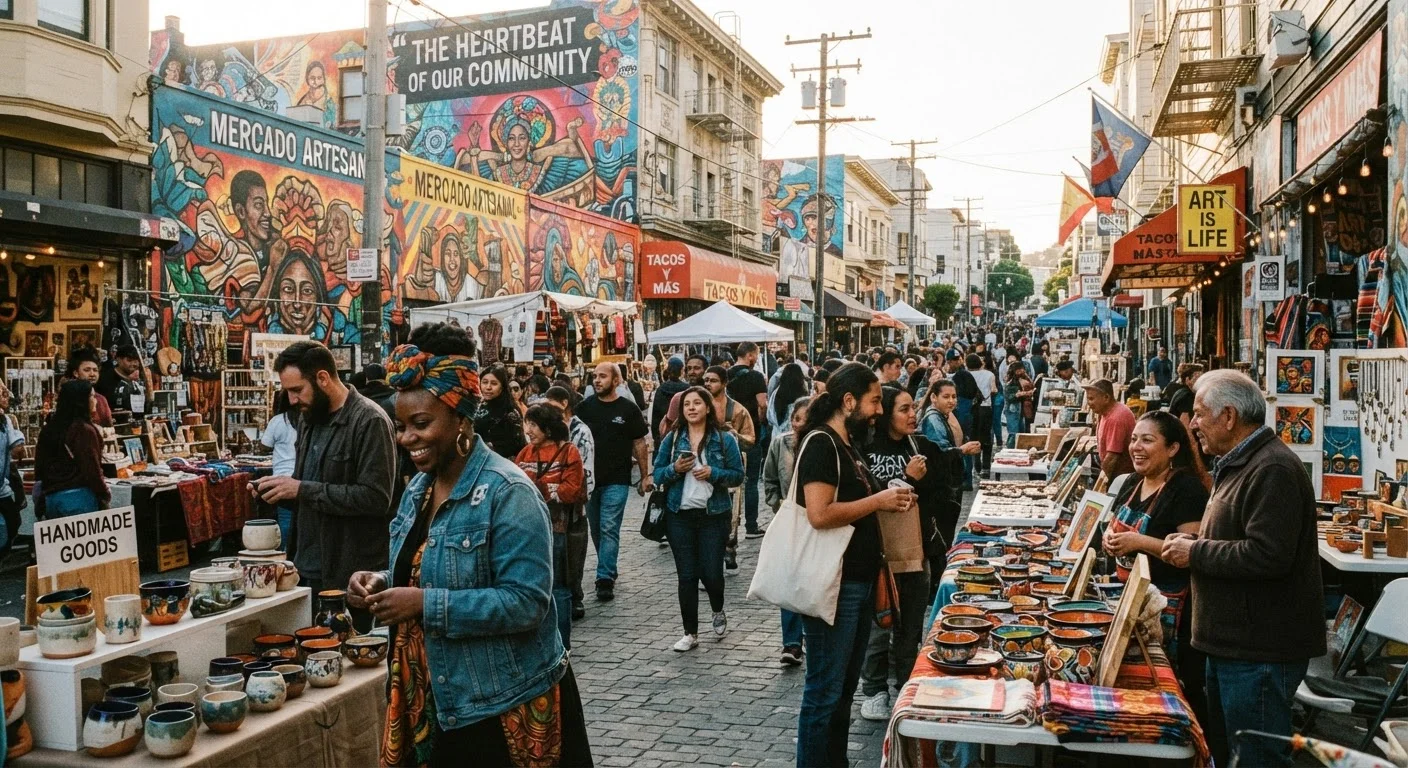
Photo credit: Wiseturt.com | Blogs Curated For You
City tours don't have to center on landmarks. Explore the types of neighborhood, craft, and community-based urban experiences gaining traction.
Key Takeaways
- Neighborhood-level experiences often reveal more about a city than its famous landmarks.
- Community-based tours connect travelers with locals in ways that standard sightseeing rarely does.
- Craft, food, and art-focused urban experiences are increasingly available across US and international cities.
- Researching beyond top-ten lists helps travelers find more personally meaningful itineraries.
- Authentic urban experiences vary widely - verifying quality and community benefit matters before booking.
Why the Highlights Reel Leaves You Wanting More
Every city has a postcard version of itself - the skyline shot, the famous museum, the landmark everyone photographs before moving on. And while those icons exist for good reason, relying on them exclusively tends to produce trips that feel interchangeable. You could swap out one city for another and the itinerary would barely change.
The good news: a growing range of urban experiences actively invites travelers off that well-worn path. Neighborhood walks led by residents, craft workshops tucked into converted industrial spaces, community food markets that locals actually use - these aren't fringe options anymore. They're how many curious travelers are choosing to spend their city time. If you've been wondering how to approach this differently, planning around experiences rather than destinations is a useful place to start rethinking your whole approach.
Below are seven types of urban experiences worth building into your next city visit - each one offering a genuinely different window into how a place actually works.
Resident-Led Neighborhood Walks
Some of the most illuminating city walks are led not by professional tour guides but by people who live in the neighborhood. These experiences - offered through community organizations, local nonprofits, or resident collectives - prioritize storytelling over facts and dates. You hear about the coffee shop that became a community gathering point, the block that survived a wave of demolitions, the mural commissioned by a neighborhood association after a difficult year.
Because the guide has personal stake in the place, the narrative tends to be more textured and less rehearsed than a scripted tour. Look for these through city cultural organizations, neighborhood associations, or arts councils rather than mainstream booking platforms.
Guides with personal stakes in a neighborhood share stories no script could capture.
Craft and Maker Studio Visits
Many cities have clusters of working studios - ceramicists, printmakers, glassblowers, textile artists, small-batch distillers - that occasionally open their doors to visitors. Some offer hands-on workshops; others provide behind-the-scenes looks at the production process. Either way, you leave with an understanding of how something is made and by whom, which is a very different souvenir from a photograph of a monument.
Open studio weekends, often organized seasonally by local arts organizations, are a particularly good way to access multiple makers in a concentrated area without needing to book each individually.
Watching something being made by hand gives a city visit a dimension guidebooks rarely capture.
Community Food Markets and Producer Visits
Farmers markets exist on a spectrum. Some are primarily tourist experiences; others are genuinely where neighborhood residents shop for weekly groceries. Seeking out the latter version puts you alongside locals, exposes you to regional producers, and often sparks conversations that reveal more about a place than any attraction could.
For a more structured approach, some food tours go beyond restaurant tasting stops to include producer visits, market walkthroughs, and conversations with the people growing or making the food. What makes a food tour genuinely educational is worth reading if you're weighing options in this category.
Shopping where locals actually shop reveals more about a city than most attractions.
Independent Bookshop and Cultural Institution Trails
Independent bookshops, record stores, community galleries, and small theatres function as cultural anchors in many urban neighborhoods. Visiting several in a single day - without a rigid agenda - creates an informal trail through a city's creative identity. Staff at these venues are often extraordinarily knowledgeable about local history, current happenings, and places worth visiting nearby.
This kind of self-directed cultural immersion works especially well in cities with strong independent retail corridors. A quick search for neighborhood cultural maps, often published by local arts organizations or city tourism offices, can help you orient.
Independent bookshops and galleries are informal archives of a neighborhood's creative life.
Architecture and Urban History Walks
Most cities offer architecture tours, but the most interesting ones tend to focus on a specific era, a contested redevelopment, or a particular building type rather than trying to cover everything at once. A walk through a former industrial district, a post-WWII housing estate, or a neighborhood shaped by mid-century urban renewal policies tells a story that connects design to social history in ways that are both specific and surprisingly universal.
Local preservation societies and architecture schools frequently organize these kinds of focused walks, often at low or no cost.
Focused architecture walks reveal how a city's design decisions shaped - and sometimes disrupted - its communities.
Language and Cultural Exchange Meetups
Many cities host regular language exchange events - casual gatherings where participants practice a second language with native speakers. These aren't tourist activities in any conventional sense, which is exactly what makes them interesting. Showing up as a traveler who's genuinely trying to connect, rather than observe, shifts the dynamic entirely.
Beyond language meetups, cultural community centers in immigrant neighborhoods often host public events, lectures, and celebrations that welcome outside visitors. Checking local event listings a week before your trip tends to surface options that no travel guide would include.
Joining a local language exchange as a traveler signals genuine curiosity - and people notice.
Public Art and Street Mural Trails
Street art has become a serious curatorial effort in many cities, with neighborhoods commissioning large-scale murals that reflect specific histories, communities, or ongoing social conversations. Walking a mural trail - ideally with context about who commissioned each piece and why - turns what might look like decoration into a layered public record.
Some cities publish official mural maps; in others, local arts organizations or urban guides maintain informal ones. Either way, this is an experience that requires almost no budget and delivers a genuine sense of a neighborhood's visual identity and values.
A city's murals are a public record - each one commissioned for a reason worth understanding.
Making the Most of What You Find
The experiences listed above share something important: they tend to reward a little advance research. Reading recent reviews from fellow travelers, checking whether an experience is locally operated or resold through a third party, and looking into whether it gives back to the community it represents - all of that matters. What 'authentic local experience' actually means is worth understanding before you book, since the phrase gets applied loosely to a wide range of offerings.
Check Who Benefits Before You Book
When an experience is marketed as community-based or locally led, it's worth a moment to verify. Look for organizers with ties to the neighborhood, transparent descriptions of how participants are compensated, and recent firsthand reviews. Experiences that genuinely benefit the communities they represent tend to say so specifically - vague 'authentic' language alone isn't a reliable indicator.
It's also worth thinking about pacing. Cramming four neighborhood experiences into a single day usually means absorbing less from each. Whether you prefer a guided framework or like to wander independently, guided tours versus self-guided exploration covers the real trade-offs so you can match the format to your travel style. The city will still be there - the goal is actually seeing it.

Author
Travel & Tours Editorial Team
Travel & Tours Editorial Team is the collective byline for our editorial team and contributor network. Articles published under this byline or an editorial pen name are researched, written, and reviewed according to our editorial standards for clarity, consistency, and independence before publication.
View all articles →