
Solo Travel Myths That Keep People from Going
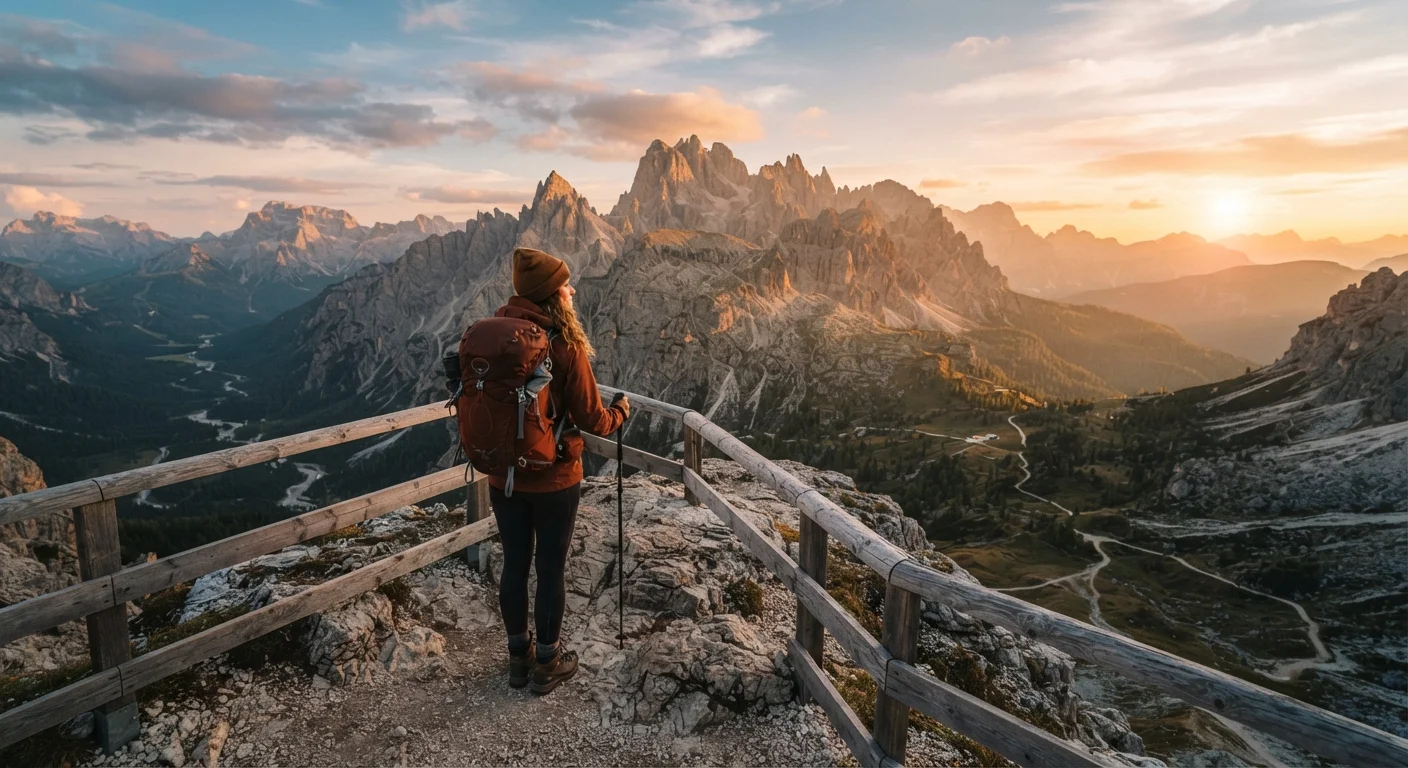
Photo credit: Wiseturt.com | Blogs Curated For You
In this article
From safety fears to loneliness concerns, common solo travel beliefs often don't hold up against the actual experiences of regular travelers.
Key Takeaways
- Solo travel is not inherently more dangerous than group travel when reasonable precautions are taken.
- Loneliness is rarely the dominant experience - most solo travelers report unexpectedly rich social connections.
- Solo trips are not always more expensive; single travelers have significant flexibility to control costs.
- Almost any destination is accessible to solo travelers, not just a narrow list of 'approved' spots.
- First-time solo travelers are not a special risk category - preparation matters far more than experience level.
Why Solo Travel Myths Are So Persistent
Solo travel myths don't survive because they're true - they survive because they tap into real anxieties: fear of the unknown, social judgment, and the comfort of familiar patterns. When someone has never done something, they tend to fill the gap with worst-case scenarios. Add in well-meaning friends and family who've also never done it, and those scenarios harden into received wisdom.
The problem is that these myths have real consequences. They keep capable, curious people from experiences that could genuinely enrich their lives. That's why it's worth examining them seriously - not to minimize legitimate risks, but to separate the real from the imagined so you can make an informed decision.
If you're already skeptical of conventional wisdom in other areas of life, you might recognize this pattern. Just as budgeting myths stop people from managing their finances, travel myths stop people from seeing the world. The antidote in both cases is accurate information.
Myth
Solo travel is far too dangerous, especially for first-timers.
Fact
Risk in travel is largely about preparation and situational awareness, not whether you have company.
This myth often conflates the idea of being alone with being unprotected. In reality, millions of people travel solo every year without incident. Experienced solo travelers consistently point to the same fundamentals: researching your destination, sharing your itinerary with someone at home, staying aware of your surroundings, and following local norms. A solo traveler who is prepared is frequently in a stronger position than an unprepared group. That said, risk is real in any travel context - what matters is how seriously you take the research beforehand.
Myth
You'll be lonely the entire time.
Fact
Solo travel often creates more genuine social opportunities than group travel.
When you travel with a group, you tend to exist inside that group's bubble. Solo travelers, by contrast, are naturally more open - and more approachable. Hostel common rooms, guided day tours, cooking classes, and even restaurant bars become natural meeting points. Many solo travelers describe coming home with friendships they didn't expect and conversations they never would have had otherwise. Loneliness does happen occasionally, and that's worth acknowledging honestly - but it's rarely the defining experience people fear it will be.
Myth
Solo travel always costs more than traveling with others.
Fact
Solo travel can be cost-competitive once you factor in the full flexibility it provides.
Yes, the "single supplement" charge at some hotels is real and frustrating. But solo travelers also have total control over every spending decision - no negotiating compromises on accommodation tiers, dining choices, or activity budgets. You can opt for a hostel, cook your own meals, or shift your travel dates without coordinating with anyone. When you add up the hidden costs of group travel - extra nights, upgraded rooms everyone has to share, activities not everyone wants - solo can be just as affordable. See our travel cost myths guide for more on stretching your travel dollar.
Myth
Solo travel only works for a short list of 'safe' destinations.
Fact
A wide range of destinations are well-suited to solo travelers with proper preparation.
It's true that some destinations present more logistical complexity than others, but the idea that solo travel is limited to a handful of Western European capitals is simply outdated. Destinations across Southeast Asia, Latin America, and beyond have robust solo traveler infrastructure - from well-organized hostels to established backpacker routes. The key is doing destination-specific research rather than applying a blanket rule. Our solo vs. group travel planning guide explores how preparation shifts depending on where you're headed.
Myth
You need to be an experienced traveler before going solo.
Fact
First-time solo travelers succeed every day - the learning curve is real but manageable.
Waiting until you feel "ready" is one of the most effective ways to never go. Almost every seasoned solo traveler had a first trip, and many describe it as their most formative. Starting with a destination that has good tourist infrastructure - clear signage, English-language support, organized transport - lowers the barrier considerably. Building in a buffer day, over-communicating your itinerary to someone at home, and having backup plans for accommodation are practical steps that don't require prior experience. If you're concerned about booking experiences once you arrive, our Tours & Experiences hub is a good starting point for understanding what's bookable in advance.
Myth
Eating alone at restaurants is awkward and uncomfortable.
Fact
Dining solo is common worldwide and many restaurants are well-accustomed to single diners.
The discomfort of eating alone is almost entirely a social construct, and one that fades quickly once you're actually doing it. Counter seating, bar dining, and street food markets are all natural environments for solo eating. Many travelers actually come to love solo meals - you read, you people-watch, you get talking to the staff. The stigma is far greater in the imagination than in practice.
Planning Smart Without Letting Fear Drive the Trip
Debunking myths doesn't mean ignoring genuine planning responsibilities. Solo travel rewards preparation - not because danger lurks everywhere, but because good groundwork means more freedom, not less, once you're actually there.
Don't Skip Travel Insurance
Many solo travelers skip travel insurance to save money, but this can be a costly mistake. Without a travel companion to help in an emergency, having coverage for medical evacuation, trip cancellation, and lost belongings is especially worth considering. Review policy terms carefully, as coverage varies widely by provider and plan.
Start with destination research that goes beyond social media highlights. Read recent traveler forums, consult official government advisories, and think through your communication plan - who knows your itinerary, and how will you check in? For the on-the-ground experience, consider mixing self-guided exploration with a structured tour or two. Organized day trips can be an excellent bridge between total independence and the security of a group. Our Trip Planning Tips hub covers the practical logistics in more depth.
Always Verify Entry and Safety Information
Travel conditions, visa requirements, and safety advisories change frequently and vary by destination. Before any trip, check official sources such as the U.S. Department of State's travel advisories and your destination country's embassy website. No article - including this one - should substitute for up-to-date, official guidance.
One planning area worth honest reflection: tour selection. Solo travelers sometimes book group tours out of a desire for company, then find the experience doesn't match their travel style. Our guide on why travelers regret tours they book walks through the most common mismatches and how to avoid them before you commit.
The goal isn't a perfectly scripted trip - it's enough of a foundation that you can adapt with confidence when things don't go exactly to plan. They won't, and that's usually where the best stories come from.
72%
Solo travelers who plan to travel alone again
According to travel research surveys, the strong majority of solo travelers report their experience positively and intend to repeat it.
17%
Annual growth in solo travel searches
Industry data from travel booking platforms has consistently tracked rising interest in solo travel itineraries over recent years.

Author
Travel & Tours Editorial Team
Travel & Tours Editorial Team is the collective byline for our editorial team and contributor network. Articles published under this byline or an editorial pen name are researched, written, and reviewed according to our editorial standards for clarity, consistency, and independence before publication.
View all articles →