
Why Travelers Book Tours They End Up Regretting
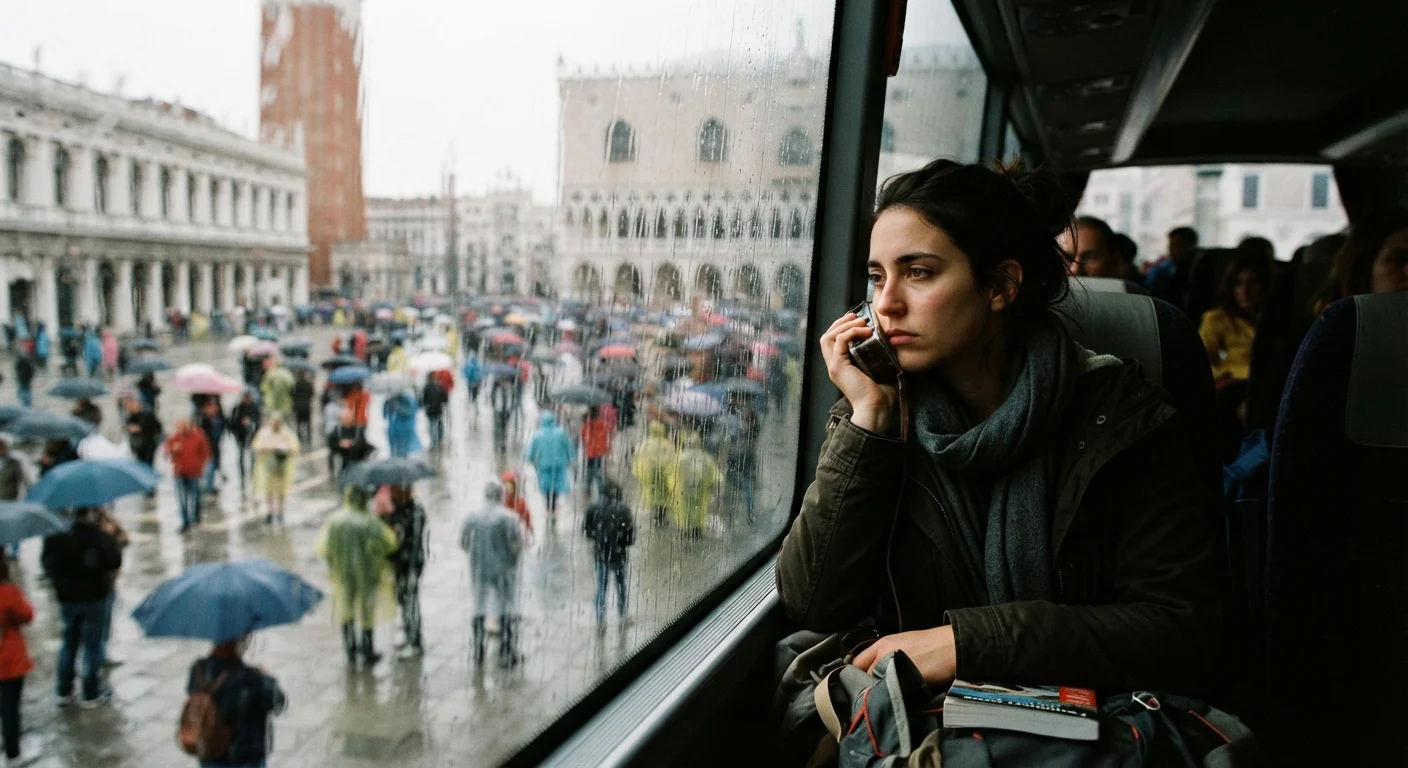
Photo credit: Wiseturt.com | Blogs Curated For You
In this article
Misaligned expectations, poor vetting, and rushed decisions cause most tour disappointments. Here's what goes wrong and how to avoid it.
Key Takeaways
- Most tour disappointments stem from mismatched expectations, not bad luck or bad operators.
- Rushing the booking process - especially skipping the fine print - is the single most common mistake.
- Reading operator listings critically and asking direct questions before booking dramatically reduces regret.
- Group size, pace, and included activities shape your experience far more than price or brand recognition.
- Authentic experiences usually require a bit more research upfront, but that effort pays off on the ground.
The Gap Between What's Promised and What's Delivered
Tour regret rarely comes from a single catastrophic failure. It creeps in - the itinerary that moved too fast, the 'authentic dining experience' that turned out to be a tourist-trap buffet, the guide who seemed more interested in moving the group along than answering questions. These disappointments share a common origin: decisions made without enough information, often under time pressure.
The travel industry is full of compelling copy designed to spark excitement rather than set accurate expectations. That's not necessarily dishonest - but it does mean the burden of getting specific falls on the traveler. Understanding where the gaps typically appear is the first step toward filling them.
42%
Travelers who say tours didn't match descriptions
A recurring finding across traveler satisfaction surveys suggests a substantial share of group tour participants feel the experience differed meaningfully from how it was marketed.
~8
Average group size preferred by independent travelers
Research into experiential travel preferences consistently shows that travelers seeking depth and flexibility favor small-group formats, typically under ten participants.
If you're weighing whether a guided experience is right for you at all, a balanced look at guided tour trade-offs is a useful starting point before comparing operators.
The Most Common Mistakes - and How to Sidestep Them
The mistakes below show up repeatedly across traveler accounts and planning forums. None of them are inevitable. Each one is avoidable with a small but deliberate shift in how you approach the booking process.
Booking based on price rather than fit.
Why it happens: Budget pressure is real, and a cheaper tour feels like a win - until you're on a rushed bus with 40 strangers when you wanted an intimate walking experience.
Skipping the operator's fine print on what's actually included.
Why it happens: Tour listings often use aspirational language and bury exclusions. Travelers assume meals, entrance fees, and transfers are covered when they frequently aren't.
Ignoring group size and pace details.
Why it happens: Travelers focus on the destination and activities but overlook logistics. A 35-person group moves very differently than a group of eight.
Assuming a tour marketed as 'authentic' or 'local' actually is.
Why it happens: These words sell tours. They're used loosely and rarely defined, leading travelers to expect village homestays and end up at tourist-facing restaurants with a scripted cultural performance.
Over-scheduling a tour within an already packed itinerary.
Why it happens: Travelers want to maximize every day, so they stack a full-day tour onto back-to-back activities. Energy and enjoyment both crater by day three.
Booking impulsively at the destination under social or time pressure.
Why it happens: Hotel lobbies, hostel noticeboards, and street vendors create artificial urgency. Travelers book on the spot to avoid missing out, without doing any research.
Cancellation Terms Can Make or Break You
Many tour operators enforce strict non-refundable policies, particularly for small-group and specialty tours. Always read the cancellation and amendment clauses in full before submitting payment. If the terms aren't clearly published, ask for them in writing - a reputable operator will provide them without hesitation.
For solo travelers especially, group tour dynamics can feel particularly misaligned if the tour skews toward couples or large family groups. Solo travel misconceptions often extend into tour selection - understanding your own comfort level with group formats matters as much as the destination itself.
What Good Tour Research Actually Looks Like
Effective vetting doesn't have to take hours. A focused 20-30 minutes of targeted research before booking will eliminate most of the scenarios described above.
Glowing Reviews Alone Aren't Enough
A tour with hundreds of five-star reviews may still be wrong for your travel style. Reviews tend to reflect the majority experience - large, social group tours often collect enthusiastic feedback that obscures how the pace or content lands for quieter, more independent travelers. Always read one-star and three-star reviews alongside the glowing ones to spot recurring complaints.
- Start with the operator's FAQ and terms page, not the highlights reel. Cancellation policies, group size caps, and inclusion lists live there.
- Search the operator's name alongside words like 'complaint,' 'disappointed,' or 'misleading' on independent travel forums. You'll surface patterns that review platforms sometimes obscure.
- Email or call with two or three specific questions. Response quality and speed tell you a lot about how the operator handles problems on the ground.
- Check whether the experience suits your physical pace. Many tours describe themselves as 'moderate' without defining what that means in elevation, daily walking distance, or terrain type.
The Trip Planning Tips hub covers broader strategies for organizing trips that hold up under pressure - including how to build flexibility into a schedule without sacrificing coverage of the places that matter most to you.
Tours, when well-matched to the traveler, can be genuinely transformative. The research isn't a chore - it's how you protect the experience you're actually trying to have.

Author
Travel & Tours Editorial Team
Travel & Tours Editorial Team is the collective byline for our editorial team and contributor network. Articles published under this byline or an editorial pen name are researched, written, and reviewed according to our editorial standards for clarity, consistency, and independence before publication.
View all articles →