
Tokyo for First-Time Travelers: Getting Oriented in One of the World's Most Complex Cities
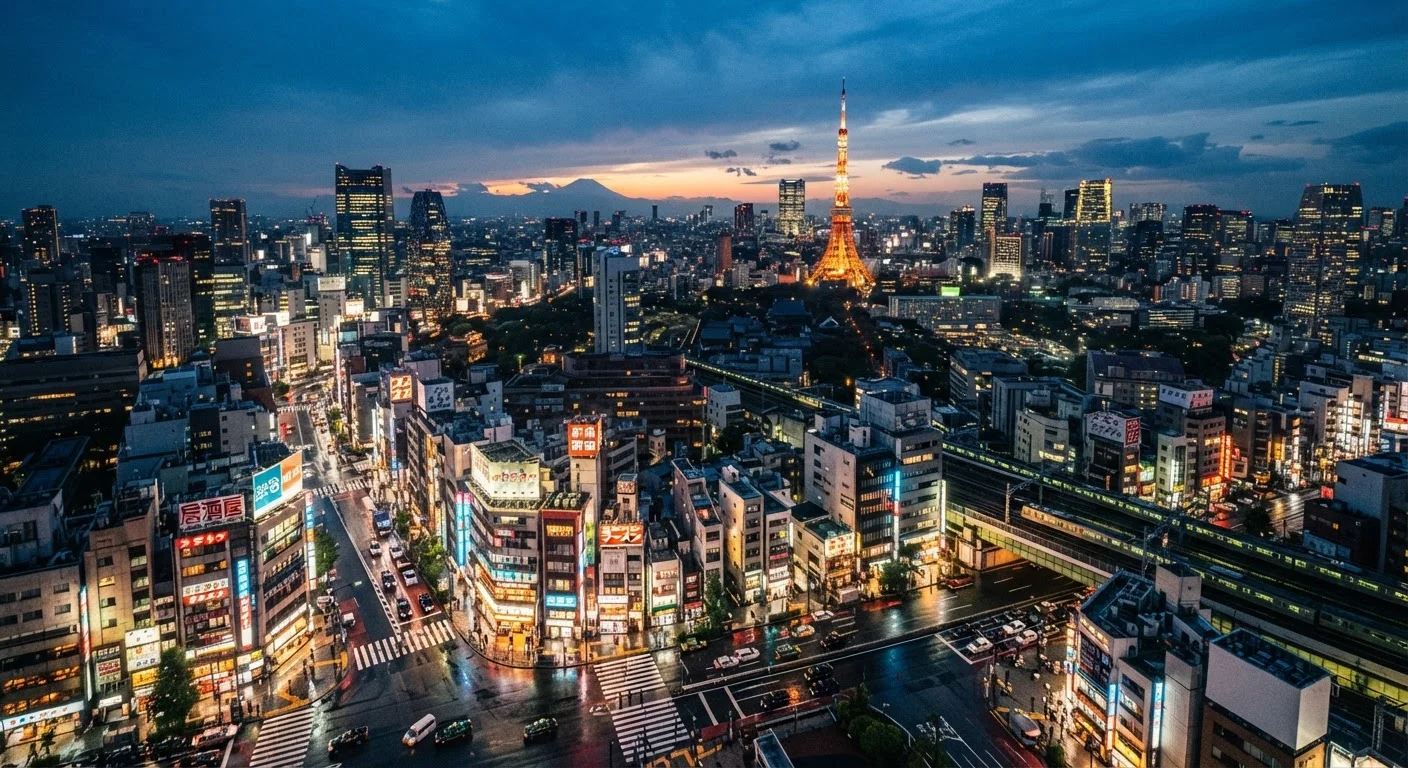
Photo credit: Wiseturt.com | Blogs Curated For You
In this article
Tokyo can feel overwhelming at first. This guide covers transit, neighborhoods, cultural norms, and practical logistics for new visitors.
Key Takeaways
- Tokyo's train network is extensive and efficient - an IC card like Suica makes riding it nearly effortless.
- The city is organized into distinct neighborhoods, each with its own personality and atmosphere.
- Cultural etiquette matters: quiet voices on trains, no tipping, and removing shoes where prompted are baseline expectations.
- Cash is still widely used in Tokyo; carry yen even if you rely on cards elsewhere.
- English signage is common in tourist areas and on transit, but learning a few Japanese phrases goes a long way.
- Planning experiences before destinations helps you explore Tokyo more meaningfully and less stressfully.
Why Tokyo Feels Overwhelming - and Why That's Okay
Tokyo is home to roughly 14 million people within the city proper and sits at the center of the world's most populous metropolitan area. Its train map looks like abstract art, its street addresses follow a system that baffles even longtime residents, and the sheer density of things to see, eat, and do can make planning feel impossible before you've even left home.
Here's the reassurance every first-timer needs: Tokyo is remarkably navigable once you understand a few foundational concepts. The transit system is punctual and well-labeled. Neighborhoods are distinct enough that you can anchor your days by area. And the city is genuinely welcoming - locals are accustomed to visitors and generally patient with language barriers.
If you're new to planning international trips, the Travel Planning From Scratch guide is a strong starting point before diving into Tokyo-specific logistics. It's also worth considering the experience-first approach to itinerary planning - in a city this large, knowing what you want to feel and do is more useful than a checklist of landmarks.
Navigating the Transit System
Tokyo's transit network is operated by multiple companies - JR East, Tokyo Metro, Toei Subway, and private lines - which sounds complicated but functions cohesively for riders. The most important practical step you can take before your first train ride is loading a Suica or Pasmo IC card.
IC Card
A rechargeable contactless card (Suica or Pasmo are the most common) used to pay for trains, subways, buses, and some retail purchases by tapping a reader. Eliminates the need to buy individual tickets.
JR (Japan Railways)
The main national rail operator in Japan. In Tokyo, JR lines include the Yamanote Line - a loop connecting most major neighborhoods - and the Chuo and Sobu lines running east-west.
Shinkansen
Japan's high-speed bullet train network, connecting Tokyo to cities like Kyoto, Osaka, and Hiroshima at speeds up to around 200 mph. A separate ticketing system from local Tokyo transit.
Ryokan
A traditional Japanese inn, often featuring tatami mat floors, futon bedding, communal baths, and multi-course kaiseki meals. A distinct accommodation style from Western hotels.
Romanization
The process of writing Japanese words using the Latin alphabet (e.g., 'Shinjuku' instead of '新宿'). Most Tokyo station names and transit maps use romanization alongside Japanese script.
These rechargeable cards work across virtually all rail and bus lines in the city and can be tapped at convenience stores for small purchases. You can pick one up at major JR stations or at Narita and Haneda airports. Recharging them at station kiosks is straightforward.
For route planning, apps like Google Maps and Hyperdia are widely used and reliably accurate for Tokyo transit. Enter your destination in English - most station names are romanized consistently - and the app will show you platform numbers, transfer points, and journey times.
Download your transit app before landing
Set up Google Maps or a dedicated Japan transit app while you still have reliable Wi-Fi at home. Pre-download the Tokyo offline map as well. Having navigation ready before you step off the plane makes the airport-to-hotel journey dramatically less stressful.
If you plan to travel beyond Tokyo to cities like Kyoto or Osaka, consider whether a Japan Rail Pass fits your itinerary. It covers most JR Shinkansen (bullet train) services and can represent significant value for multi-city trips. The multi-city trip planning guide has useful framework for thinking through this kind of routing decision.
Understanding Tokyo's Neighborhoods
Rather than treating Tokyo as one giant city, think of it as a collection of highly distinct villages connected by rail. Each major area has its own energy, architecture, and identity.
- Shinjuku - A full sensory experience: skyscrapers, the famous Golden Gai alley bars, Kabukicho entertainment district, and one of the world's busiest train stations.
- Shibuya - Home to the iconic scramble crossing and a hub for fashion, youth culture, and nightlife.
- Asakusa - Tokyo's most traditionally atmospheric neighborhood, anchored by Senso-ji temple and lined with craft shops along Nakamise-dori.
- Harajuku & Omotesando - Contrasting streets: Takeshita-dori is playful and trend-driven; Omotesando is elegant, tree-lined, and architecturally notable.
- Yanaka - A slower-paced, preserved pocket of old Tokyo with temples, independent shops, and a famous cemetery that doubles as a neighborhood park.
Basing different days in different neighborhoods - rather than trying to cross the city repeatedly - is one of the most effective strategies for managing Tokyo's scale.
Cultural Norms Every Visitor Should Know
Tokyo has a strong culture of public consideration, and a few baseline behaviors will earn you quiet respect from locals.
- Trains are quiet spaces. Keep phone calls to a minimum or avoid them entirely; voices are kept low; headphones are standard.
- No tipping. Tipping is not practiced in Japan and can cause confusion or mild embarrassment in restaurants and taxis. Service quality is considered part of the job, not something separately rewarded.
- Remove shoes when prompted. Many traditional restaurants, ryokan (Japanese inns), and some temples require shoes off at the entrance. A clear step up at the doorway is usually the signal.
- Queue culture is genuine. Lines form and are respected - for trains, convenience store counters, and popular food stalls alike.
- Trash cans are rare. Carry a small bag for wrappers and packaging; you may walk several blocks before finding a public bin.
Every Global City Has Its Own Logic
The customs that feel instinctive in one city can be completely reversed in another. Tokyo's etiquette around public noise, tipping, and queuing is distinct from cities in Latin America, Europe, or even other parts of Asia. Approaching each destination on its own terms - rather than expecting familiar rules - makes for richer, more respectful travel.
Comparing Tokyo's cultural rhythms with another major world city can be illuminating. If you've visited or are planning Mexico City, you'll notice how differently urban etiquette, transit culture, and neighborhood identity play out across global destinations.
Practical Logistics: Money, Connectivity, and Language
A few practical realities will make your days run more smoothly once you know them upfront.
Money
Japan remains a cash-forward society in many contexts. Smaller restaurants, temples, local markets, and some transit services prefer or require yen. Reliable ATM access for foreign cards is available at 7-Eleven convenience stores and Japan Post Bank branches across the city. Withdrawing a moderate amount upon arrival reduces the chance of being caught short.
Connectivity
Pocket Wi-Fi rental devices and data SIM cards are available at both major airports and can be ordered online for airport pickup. Having a reliable data connection matters more in Tokyo than in many cities - transit apps, maps, and translation tools are genuinely essential here. Check current options and reviews closer to your travel date, as offerings change regularly.
Language
English proficiency varies, but Tokyo's tourist infrastructure is well adapted to English speakers. Train station signage, airport instructions, and menus at major attractions are commonly bilingual. Google Translate's camera feature handles menus and signs you can't decipher. A few practiced Japanese phrases - sumimasen (excuse me), arigatou gozaimasu (thank you), and eigo ga hanasemasu ka? (do you speak English?) - open doors and demonstrate respect.
Travel conditions, entry requirements, transit fares, and local regulations can change. Always verify current information with official government sources and your accommodation before traveling.
Frequently Asked Questions

Author
Travel & Tours Editorial Team
Travel & Tours Editorial Team is the collective byline for our editorial team and contributor network. Articles published under this byline or an editorial pen name are researched, written, and reviewed according to our editorial standards for clarity, consistency, and independence before publication.
View all articles →