
Mexico City: A Practical Orientation for Travelers Arriving for the First Time
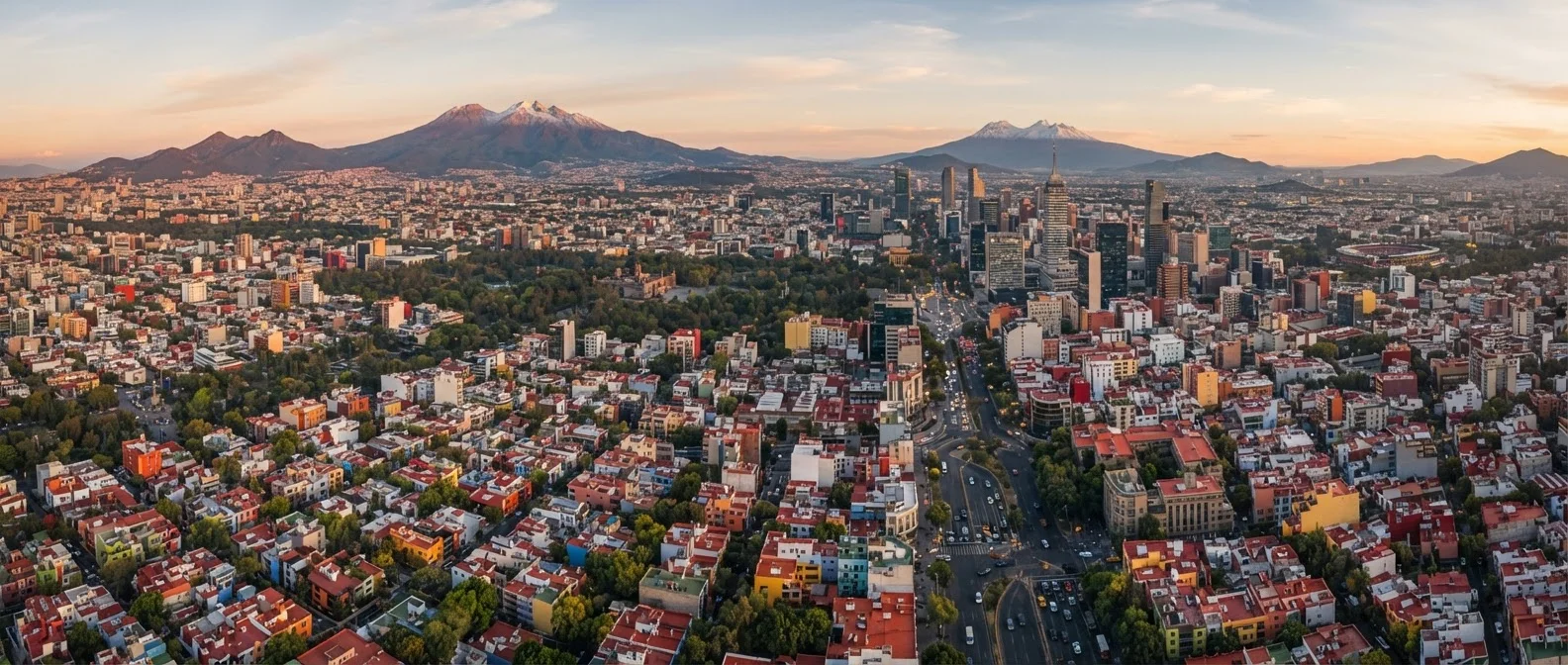
Photo credit: Wiseturt.com | Blogs Curated For You
In this article
Colonias, altitude, transit options, safety awareness, and cultural etiquette — what you need to know before landing in CDMX.
Key Takeaways
- Mexico City is divided into colonias (neighborhoods) - knowing a few key ones simplifies navigation enormously.
- At 7,380 feet above sea level, altitude effects are real; build in a slow first day to acclimatize.
- The Metro is affordable and extensive, but ride-hailing apps are safer for night travel.
- Like any major city, CDMX rewards travelers who stay aware without being paralyzed by fear.
- Tipping, greetings, and meal timing follow distinct local customs worth learning in advance.
- Always verify visa, health, and entry requirements with official government sources before traveling.
Understanding CDMX: Size, Layout, and Colonias
Mexico City - officially Ciudad de México, abbreviated CDMX - is home to roughly 9 million people within city limits and over 21 million in its greater metro area. It is one of the largest cities in the Western Hemisphere, and first-timers often underestimate just how sprawling it is. Thinking of it as a single place to "see" leads to exhaustion; thinking of it as a constellation of distinct neighborhoods makes it manageable and endlessly rewarding.
The city is divided into 16 alcaldías (boroughs) and hundreds of colonias (neighborhoods). Most visitors base themselves in a handful of centrally located colonias:
- Roma Norte and Roma Sur - tree-lined streets, cafés, restaurants, and a relaxed walkable energy.
- Condesa - art deco architecture, parks, and a cosmopolitan feel that's especially popular with international travelers.
- Polanco - upscale dining and museums, including the world-class Museo Nacional de Antropología.
- Centro Histórico - the historic heart of the city, built atop the Aztec capital Tenochtitlán, full of landmarks, markets, and centuries of layered history.
- Coyoacán - a bohemian colonia in the south, associated with Frida Kahlo and a slower, village-like pace.
A useful habit: always save a specific address, not just a neighborhood name, when navigating. CDMX addresses follow street + number + colonia - the colonia is essential for avoiding confusion, since street names often repeat across different areas.
If you're approaching trip planning from the ground up, the Travel Planning From Scratch guide walks through how to structure your research before booking anything.
Altitude Awareness: What to Expect at 7,380 Feet
Mexico City sits at approximately 7,380 feet (2,250 meters) above sea level - higher than Denver, Colorado. Many first-time visitors arrive from coastal cities and don't anticipate any physical adjustment. In practice, altitude affects people differently: some feel nothing, while others experience headaches, fatigue, shortness of breath, or disrupted sleep during the first 24-48 hours.
Build a Slow First Day Into Your Itinerary
Arriving in Mexico City and immediately rushing to sites can backfire if altitude catches you off-guard. Plan your first afternoon as an acclimatization window - a walk around your colonia, a sit-down meal, and early rest. You'll be in much better shape for the rest of your trip.
Common sense steps that may help: stay well hydrated, reduce alcohol consumption on your first day, eat lighter meals initially, and avoid immediately packing an intense itinerary for your arrival afternoon. Give your body time to settle. If you have underlying cardiovascular or respiratory conditions, consult a qualified healthcare provider before your trip - this article is general information, not medical advice.
Symptoms that are severe or persistent warrant medical attention; don't dismiss them as jet lag.
7,380 ft
Mexico City's elevation above sea level
Higher than Denver, CO - altitude effects are common among arriving travelers, particularly in the first 24-48 hours.
21M+
Greater metro area population
Mexico City's metro area is one of the largest in the Western Hemisphere, making neighborhood-level navigation essential.
12 lines
Mexico City Metro network size
The Sistema de Transporte Colectivo covers 12 lines and over 190 stations, offering broad city coverage at low cost.
Getting Around: Transit Options Explained
CDMX has a surprisingly robust transit network for a city its size - the challenge is knowing which option fits which situation.
Metro (Sistema de Transporte Colectivo)
The Metro covers 12 lines and over 190 stations, making it the backbone of the city's transit. Fares are extremely low. Stations are color-coded and use pictograms alongside names, which helps even non-Spanish speakers navigate. Avoid the Metro during weekday rush hours (7-9 a.m. and 6-8 p.m.) if you're carrying luggage or are uncomfortable in very dense crowds. Dedicated women-only cars exist on all lines for safety.
Metrobús
Bus Rapid Transit (BRT) lines run along major avenues. They require a rechargeable card, are less crowded than the Metro at peak times, and serve areas the Metro doesn't reach directly.
Ride-Hailing Apps
Apps like Uber and similar local services are widely used and generally considered a safer and more comfortable alternative to hailing street taxis, especially at night. Confirm your driver's license plate before entering any vehicle.
Ecobici (Bike Share)
The city operates an extensive bike-share network, ideal for flat stretches around Reforma, Condesa, and Roma. Temporary memberships are available.
Download an offline map of CDMX before you land - Google Maps and Maps.me both support offline areas. Mobile data can be spotty underground, and having a local map cached saves real frustration.
Metro connectivity is inconsistent, and arriving without offline navigation in an unfamiliar megacity increases disorientation risk significantly.
For day trips that involve significant driving - like Teotihuacán or Xochimilco - consider booking through an established local tour operator rather than renting a car yourself. Traffic patterns and highway navigation in greater CDMX are genuinely complex for first-timers.
CDMX traffic is notoriously dense, and unfamiliarity with local driving norms adds unnecessary stress to what should be a highlight experience.
Walking remains the best way to experience colonias like Roma and Condesa - wide sidewalks and dedicated ciclovías (bike lanes) make the area genuinely pedestrian-friendly. For a broader comparison of how transit works in other major cities, see our Tokyo first-timer orientation.
Safety Awareness for First-Time Visitors
Safety is the question most first-timers ask about CDMX - and it deserves a straightforward, non-sensationalized answer. Mexico City is a large, complex urban environment. Like any major city - including New York, Chicago, or Los Angeles - it has areas and situations that require awareness, and it also has vast stretches of daily life that are entirely unremarkable in terms of risk.
Avoid Street Taxis Hailed at Random
In Mexico City, it's strongly recommended to avoid flagging down unregistered taxis on the street, especially at night or near busy transit hubs. Use verified ride-hailing apps or arrange transportation through your hotel. Confirm the driver's name and license plate match what the app shows before getting in.
General situational awareness practices that apply in CDMX as they would anywhere:
- Use ATMs inside banks or well-lit commercial spaces, not standalone street machines after dark.
- Keep phones put away in crowded Metro cars and markets.
- Pre-book airport transportation through verified services rather than accepting unsolicited offers from strangers at the arrivals hall.
- Share your live location with someone at home when exploring unfamiliar areas.
- Learn a few basic Spanish phrases - locals generally respond well to visitors making an effort.
Check your government's official travel advisory page before departure and again before travel, as conditions can shift. The U.S. Department of State publishes country- and region-specific advisories; treat them as one input among several, alongside recent traveler reports and local news.
Cultural Etiquette and Local Norms
CDMX rewards travelers who show up with genuine curiosity and basic cultural awareness. A few norms that matter:
Greetings
A warm handshake or a single cheek-to-cheek greeting (depending on how well you know someone) is standard. Among friends, the greeting is often warmer than in Northern US or European contexts. Don't skip the greeting - launching straight into a transaction without acknowledging a person is considered abrupt.
Meal Timing
The main meal of the day is la comida, eaten between roughly 2 and 4 p.m. Dinner (la cena) is often light and eaten late, sometimes after 9 p.m. Restaurants in tourist-heavy colonias adapt, but you'll get better food and better prices leaning into local timing.
Tipping
Tipping is standard and appreciated. A 10-15% tip at restaurants is typical; some checks include a suggested tip amount. Tipping parking attendants (franeleros), hotel staff, and tour guides is customary.
Language
Spanish is the language of daily life. English is spoken in many tourist areas, but making a genuine effort in Spanish - even imperfectly - is consistently well-received. A pocket phrasebook or translation app is a practical companion.
For deeper guidance on respectful behavior during guided experiences, see our piece on cultural sensitivity on guided tours.
Practical Logistics Before You Land
A few concrete items to sort before your flight:
Visas and Entry
US citizens do not currently require a visa for tourist visits to Mexico, but entry conditions, duration limits, and documentation requirements can change. Always verify current requirements with the official Mexican government immigration authority (Instituto Nacional de Migración) and your country's State Department or equivalent before travel - not just travel blogs.
Currency
The Mexican peso (MXN) is the local currency. While cards are accepted in many establishments, cash remains essential in markets, smaller restaurants, street food stalls, and taxis. Withdraw pesos from bank-affiliated ATMs after arriving; airport exchange booths typically offer less favorable rates.
Connectivity
International SIM cards and eSIM options are widely available and affordable. Having mobile data makes navigation, translation, and ride-hailing far simpler. Many hotels and cafés offer Wi-Fi, but relying on it exclusively limits flexibility.
Health Prep
Consult a healthcare provider about any recommended vaccinations or health precautions before travel - requirements and recommendations vary by individual health history. Tap water in CDMX is not generally considered safe to drink; bottled or filtered water is the standard practice.
Structuring this kind of pre-travel research as part of a systematic planning process helps avoid gaps. Our guide to the anatomy of a well-planned trip breaks down each phase clearly.
This article provides general travel orientation information only. Conditions, regulations, and safety situations can change; always verify visa, health, and entry requirements with official government and provider sources before traveling. Nothing in this article constitutes medical, legal, or safety advice.

Author
Travel & Tours Editorial Team
Travel & Tours Editorial Team is the collective byline for our editorial team and contributor network. Articles published under this byline or an editorial pen name are researched, written, and reviewed according to our editorial standards for clarity, consistency, and independence before publication.
View all articles →