
Small-Group Tours vs. Large Coach Tours: How the Experience Differs
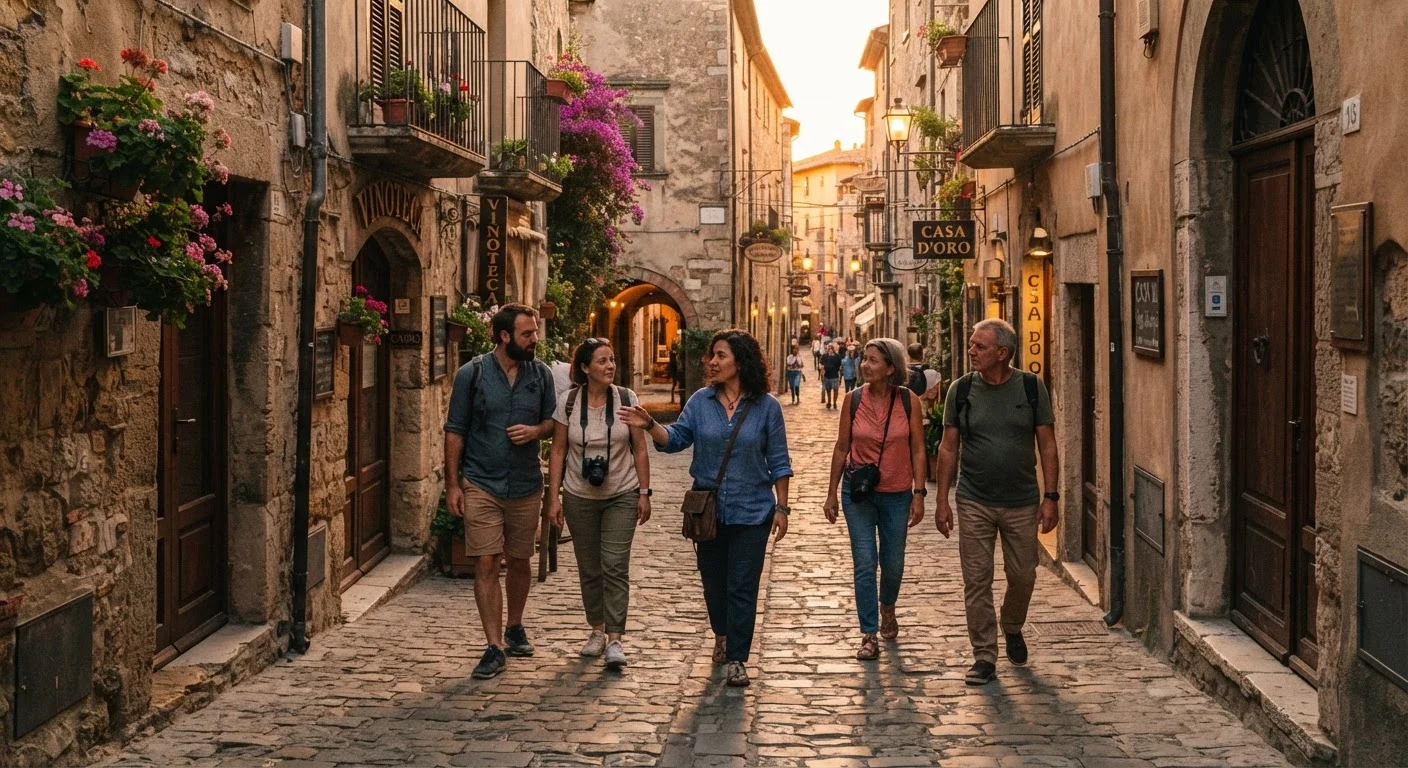
Photo credit: Wiseturt.com | Blogs Curated For You
In this article
Group size shapes everything from guide attention to spontaneity. See how small-group and large coach formats compare across key factors.
Key Takeaways
- Small-group tours (typically under 16 people) allow guides to tailor the experience in real time.
- Large coach tours excel at covering multiple destinations efficiently with streamlined logistics.
- Flexibility and spontaneity are significantly higher in small-group formats.
- Coach tours generally accommodate a wider range of mobility needs due to standardized infrastructure.
- Group size affects pace, noise level, wait times, and access to smaller or restricted venues.
- Neither format is universally superior - your travel style should drive the decision.
What Defines Each Format
The line between a small-group and large coach tour is primarily one of scale - but scale touches almost everything. Small-group tours typically cap participants at 12 to 16 people, though some operators define the ceiling as low as 8. Large coach tours commonly range from 30 to 50 travelers, sometimes more. That difference in headcount cascades into pace, access, noise level, and the fundamental quality of the relationship between guide and traveler.
It's worth noting that tour descriptions don't always make this obvious. As our guide to reading tour operator listings explains, group size caps are sometimes buried in fine print - always confirm the maximum before booking.
Beyond numbers, each format is built around a different philosophy. Small-group tours are designed for depth; coach tours are designed for breadth. Neither is a compromise - they're simply optimized for different traveler priorities.
Guide Attention and Itinerary Flexibility
One of the most tangible differences is the guide-to-traveler ratio. In a group of ten, a knowledgeable guide can register individual reactions, invite specific questions, and pivot the afternoon's agenda when the group discovers an unexpected gem. In a group of forty, even the most talented guide is managing logistics as much as storytelling - headcounts, stragglers, and audio-device coordination become part of the job.
Small-group formats also create space for spontaneity. A quiet courtyard glimpsed through an archway, an impromptu conversation with a local artisan, a decision to linger over lunch - these moments are far easier to accommodate when a guide only needs to coordinate a dozen people. Guided tours offer genuine advantages, but the degree of flexibility varies enormously by format.
| Criterion | Small-Group Tours | Large Coach Tours |
|---|---|---|
| Typical group size | 8-16 people | 30-50+ people |
| Guide personalization | High - adapts in real time | Limited - manages logistics |
| Itinerary flexibility | Often allows detours | Fixed schedule |
| Access to small venues | Strong - fits capacity limits | Restricted by group size |
| Logistics handling | Moderate | Comprehensive - fully bundled |
| Typical price point | Higher per person | Lower per person |
| Social variety | Intimate, closer bonds | Broader mix of travelers |
| Pace of travel | Relaxed, exploratory | Efficient, structured |
Access, Logistics, and Social Dynamics
Group size directly affects where you can go. Many heritage sites, family-run restaurants, and working studios have occupancy limits that make them inaccessible to coach-sized groups. Small-group travelers often gain entry to places that mass tourism simply cannot reach - a consideration worth weighing if authentic, off-the-beaten-path experiences are your goal. For destination-specific inspiration, browsing destination guides can reveal which locations lend themselves to intimate exploration.
Coach tours compensate with sheer logistical muscle. Accommodation blocks, airport transfers, and skip-the-line entry at major attractions are coordinated in advance, which dramatically reduces the planning burden. For travelers who find independent logistics stressful - or who are combining this tour with other complex elements of a trip - that infrastructure is genuinely valuable.
Socially, larger groups offer more chances to meet fellow travelers with varied backgrounds. Smaller groups may form tighter bonds but offer less variety. If the social dimension matters to you, how group dynamics shape trip planning is worth reading before you decide.
≤16
Common small-group tour cap
Many specialized tour operators define 'small group' as a maximum of 12-16 participants to maintain guide quality and venue access.
30-50+
Typical large coach group size
Standard motorcoach configurations seat between 40 and 55 passengers, shaping the logistics-first nature of larger tour formats.
~40%
Of travelers cite flexibility as top priority
Industry surveys on travel preferences consistently rank itinerary flexibility among the top factors travelers consider when choosing a tour format.
Pricing, Value, and Choosing Wisely
Small-group tours typically carry a higher per-person price - a reflection of the specialized access, lower economies of scale, and guides who often hold deeper regional expertise. Coach tours leverage bulk purchasing to keep costs lower, though the inclusion list matters as much as the headline price. Understanding what drives those price differences is explored in depth in our article on how tour pricing works.
The right choice ultimately depends on what you're optimizing for. If a trip to Tuscany means visiting every major hilltop town efficiently, a coach format delivers. If it means learning to make pasta with a local family in a village most tourists never see, a small-group format opens that door. Consider pairing this decision with the broader question of trip length - matching your itinerary format to your travel goals is just as important as choosing the right group size.
This article is for general informational purposes only. Prices, group size definitions, and tour inclusions vary by operator and destination. Always verify details directly with the tour provider before booking.

Author
Travel & Tours Editorial Team
Travel & Tours Editorial Team is the collective byline for our editorial team and contributor network. Articles published under this byline or an editorial pen name are researched, written, and reviewed according to our editorial standards for clarity, consistency, and independence before publication.
View all articles →