
Solo Travel vs. Group Travel: Planning Differences That Matter
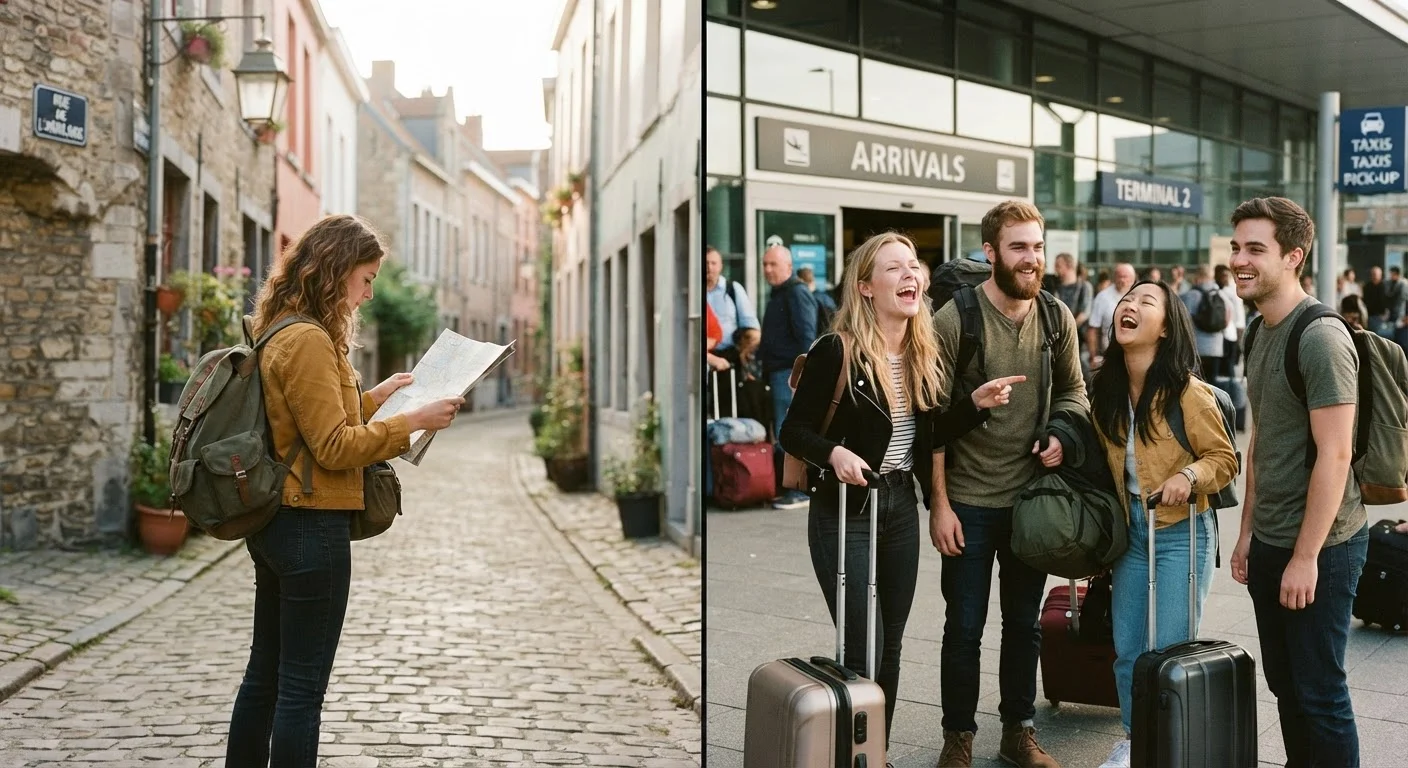
Photo credit: Wiseturt.com | Blogs Curated For You
In this article
How trip planning changes depending on whether you're going alone or with others—covering logistics, budgeting, safety, and flexibility trade-offs.
Key Takeaways
- Solo travelers gain maximum flexibility but bear the full cost of single-occupancy rooms and private transport.
- Group travel distributes costs and decision-making but requires coordination and compromise.
- Safety planning looks different depending on whether you're traveling alone or with companions.
- Itinerary structure, booking timelines, and backup plans should reflect your travel format from the start.
- Neither format is universally better - the right choice depends on your goals, budget, and comfort level.
How Your Planning Mindset Shifts
The moment you decide whether you're traveling alone or with others, your entire planning framework changes. Solo travel puts every decision - and every consequence - squarely on your shoulders. That's a genuine freedom, but it also means you carry the full weight of research, booking, and contingency planning. Group travel redistributes that load, though it trades individual control for collective negotiation.
Understanding the key phases of trip planning is essential regardless of format, but the emphasis shifts meaningfully. Solo travelers need airtight logistics and robust backup plans. Groups need clear decision-making processes and agreed-upon priorities before anyone books a flight.
Knowing which format fits your travel style is step one. The planning strategy follows naturally from there.
Budgeting: Where the Numbers Diverge
Cost structure is one of the starkest differences between the two formats. Solo travelers lose access to the "per-person" savings that come with shared rooms, split car rentals, and group dining. A hotel room that costs $150/night is $150 for a solo traveler - and $75 each for two people sharing it. That gap compounds over a multi-week trip.
~25%
Typical solo supplement on tour packages
Many tour operators charge a single-supplement fee of roughly 20-30% above the per-person double-occupancy rate.
72%
Solo travelers who say autonomy is the primary draw
According to travel industry surveys, the majority of solo travelers cite freedom and self-paced exploration as their top motivation.
Group travelers can also split costs for private guides, chartered transport, and vacation rentals, making some high-value experiences genuinely more affordable. However, group dynamics can inflate costs too - dining at restaurants that accommodate large parties, booking tours in advance for everyone, or paying premium rates when unanimous agreement on timing is hard to reach.
For a deeper look at how tour pricing responds to group size, see how tour pricing actually works - the mechanics matter when you're splitting costs across multiple people.
Solo travelers should budget a single-supplement premium of 20-30% on many tour and cruise packages, and factor in the full cost of private transport when public transit isn't safe or practical.
Logistics, Flexibility, and Decision-Making
Solo travel is logistically simpler in one key way: there is only one person to please. You can change your flight, pivot your itinerary, or stay an extra day somewhere without negotiating. That spontaneity is part of the appeal - and the reality of solo travel often surprises first-timers who expect it to feel lonely or limiting.
| Solo Travel | Group Travel | |
|---|---|---|
| Itinerary flexibility | Total - change plans anytime | Limited by group consensus |
| Per-person accommodation cost | Higher - single-occupancy rates | Lower - shared rooms possible |
| Booking lead time needed | Shorter - one person's schedule | Longer - aligning multiple schedules |
| Built-in safety net | None - self-reliant required | Yes - companions present |
| Decision-making speed | Fast - one decision-maker | Slow - negotiation required |
| Social experience | Depends on outgoing personality | Built-in companionship |
| Cost-splitting opportunities | None | Transport, rentals, guides |
Group travel demands earlier and more thorough coordination. Booking windows need to account for everyone's availability. Accommodation choices must work for multiple preferences. Itinerary drafts often go through several rounds of feedback. Designating a logistics lead - someone who centralizes bookings and communications - reduces friction significantly.
If your group is considering a structured tour format, comparing small-group tours vs. large coach tours can help you match the tour structure to your group's dynamic.
Safety Planning Looks Different
Safety preparation is non-negotiable for all travelers, but the specific actions diverge sharply. Solo travelers - regardless of gender or experience level - should share detailed itineraries with someone at home, check in at regular intervals, and research local emergency contacts for every destination. Staying in well-reviewed, centrally located accommodations matters more when there's no one watching your back at the hostel.
Share Your Itinerary Before You Leave
Whether traveling solo or in a group, send a detailed copy of your itinerary - including accommodation addresses, flight numbers, and local contact info - to someone you trust at home. Solo travelers should also set a regular check-in schedule so a missed message triggers a prompt follow-up rather than silence. Simple habit, meaningful peace of mind.
Group travelers benefit from an inherent safety advantage: witnesses, shared problem-solving, and the ability to stay with one member while another seeks help. But groups can also generate overconfidence - assuming someone else checked the local travel advisory or confirmed the taxi's legitimacy. Agree in advance on who owns safety research for each destination.
For entry requirements, visa rules, health advisories, and local laws, always verify directly with official government sources (such as travel.state.gov for US travelers) and the destination country's embassy or consulate. These details change and should never be assumed.
Building an Itinerary That Fits Your Format
Solo itineraries reward an experience-first approach. Without the need to find consensus, you can build days around exactly what matters to you - whether that's a single museum, a long hike, or an afternoon with no plans at all. Planning around experiences rather than destinations is especially powerful for solo travelers who want meaningful trips rather than a checklist of landmarks.
Group itineraries work best when designed around shared priorities established early. A simple poll - adventure vs. relaxation, budget vs. comfort, packed schedule vs. free days - surfaces disagreements before they derail a trip. Build in genuine free time so individuals can pursue personal interests without the group feeling obligated to tag along.
Both formats benefit from knowing when structure helps and when it constrains. Compare the trade-offs between guided tours and self-guided exploration to decide how much scaffolding your trip actually needs.

Author
Travel & Tours Editorial Team
Travel & Tours Editorial Team is the collective byline for our editorial team and contributor network. Articles published under this byline or an editorial pen name are researched, written, and reviewed according to our editorial standards for clarity, consistency, and independence before publication.
View all articles →