
Myths About Cheap Travel That Lead Planners Astray
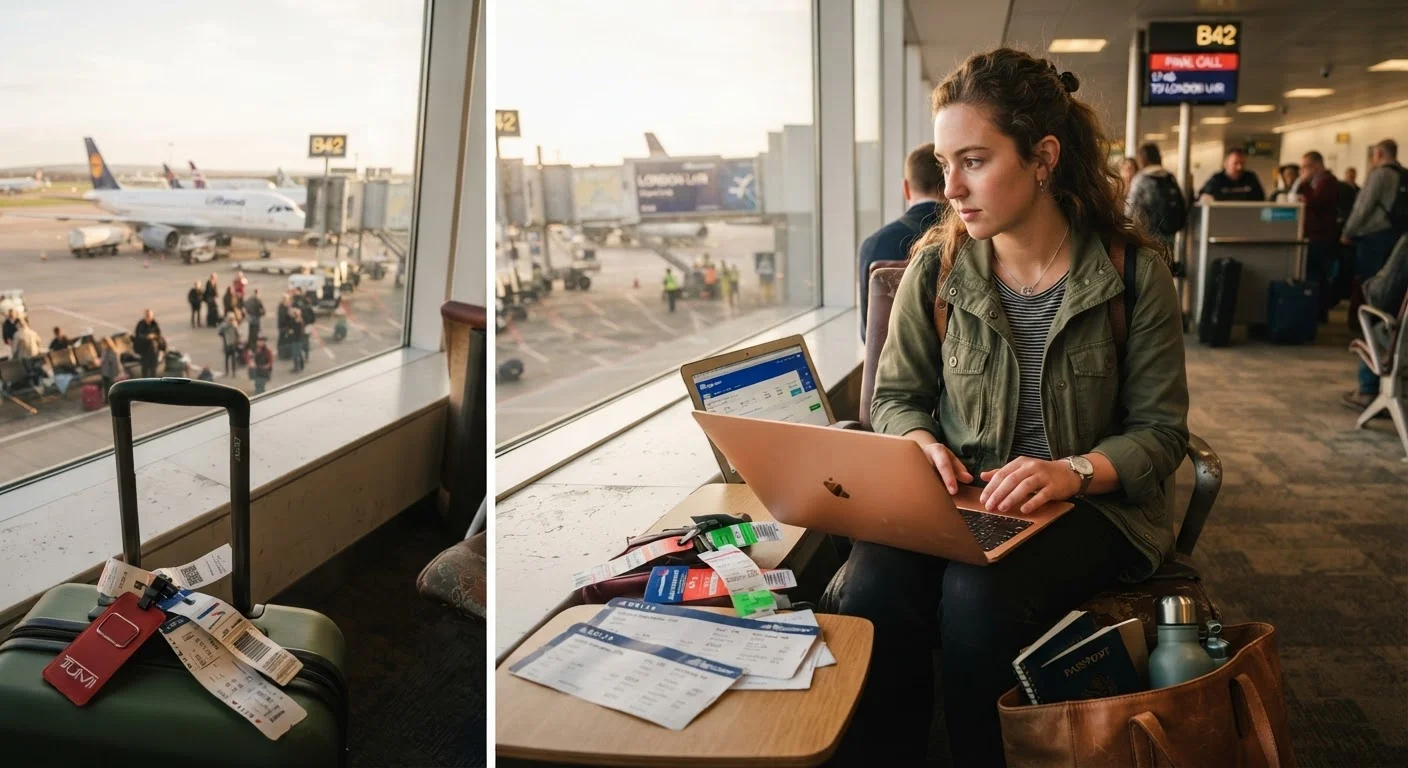
Photo credit: Wiseturt.com | Blogs Curated For You
Separating fact from fiction on travel costs—from 'Tuesday is the cheapest day to fly' to 'incognito mode always gets lower fares.'
Key Takeaways
- Tuesday flight deals are a myth - airfare pricing is dynamic and shifts multiple times daily.
- Incognito mode does not reliably lower flight prices for most travelers.
- Budget airlines can end up costing more once fees and add-ons are factored in.
- Last-minute deals are increasingly rare; planning ahead generally yields more options.
- Travel rewards cards carry real costs that offset their value if balances aren't paid monthly.
Why Travel Myths Are So Persistent
Cheap travel advice spreads fast - shared in group chats, repeated in listicles, passed down like family wisdom. The problem is that much of it was never accurate to begin with, or it was once partially true but no longer applies to how airlines and booking platforms actually work today.
Believing the wrong hacks doesn't just waste time. It can lock you into a higher fare, saddle you with hidden fees, or build a trip budget that quietly falls apart. Before you plan your next journey, it's worth stress-testing the conventional wisdom. For more on how budget assumptions go wrong in general, see common budgeting misconceptions that apply far beyond travel.
Myth
Booking on a Tuesday (or Wednesday) guarantees the lowest airfare.
Fact
Airfare algorithms update continuously. No single day of the week reliably produces the lowest prices.
This myth likely originated from an era when airlines released weekly promotional fares early in the week. Today, most major carriers and booking platforms use dynamic pricing - fares can change dozens of times per day based on demand, remaining inventory, and competitor moves. Industry analyses have consistently failed to find a statistically significant price advantage tied to any particular booking day. Tracking fares over several weeks and setting alerts is a more effective strategy than waiting for a specific weekday.
Myth
Using incognito or private browsing mode shows you lower prices.
Fact
Private browsing has no consistent effect on airfare pricing for the vast majority of searches.
The fear driving this myth is that booking sites track your searches and raise prices when they detect repeat interest. While some sites do use cookies to personalize experiences, the evidence that this reliably inflates airfares is thin. Price differences travelers notice between sessions are far more likely to reflect genuine fare changes or inventory shifts than targeted price hikes. Searching across multiple platforms - not just switching browser modes - tends to be a more useful strategy for finding competitive prices.
Myth
Budget or ultra-low-cost carriers are always cheaper than legacy airlines.
Fact
Budget carriers frequently add fees that close - or reverse - the price gap when compared to full-service fares.
A base fare from a budget carrier can look dramatically cheaper until you price in checked baggage, a carry-on that exceeds size limits, seat selection, and airport check-in fees. On some routes, a legacy carrier's comparable fare includes a checked bag and a seat assignment at no extra cost, making the total price nearly identical or lower. Always build out a complete cost comparison - including every anticipated add-on - before assuming a budget carrier saves you money. Hidden fees are especially easy to overlook when the headline number is eye-catching.
Myth
Waiting until the last minute scores you the best deals.
Fact
Last-minute discounts are increasingly rare; most unsold seats are now resold at full or premium prices.
The last-minute deal era faded as airlines became more sophisticated at yield management - the practice of pricing seats to maximize revenue across a flight's remaining inventory. Today, airlines are more likely to raise prices as a departure date approaches, particularly on popular routes. Waiting can also eliminate flexibility in accommodation and ground transportation. Research on domestic US routes generally suggests that booking several weeks to a couple of months in advance offers a better balance of availability and price than holding out for a last-second windfall.
Myth
Travel rewards credit cards always save you money on trips.
Fact
Rewards cards deliver value only when balances are paid in full monthly - otherwise interest costs outweigh any benefit.
Travel credit cards can offer genuine value in the form of points, miles, or travel credits - but that value evaporates quickly if you carry a balance. High annual percentage rates (APRs) on travel cards mean that even a modest unpaid balance can cost more in interest than the rewards earned. Annual fees can also erode value if travel perks go unused. Evaluate any rewards card against your actual spending habits and ability to pay in full each cycle. This is general financial education, not personalized financial advice - consult a licensed financial professional for guidance specific to your situation.
What Smart Planners Do Instead
Once you've cleared out the noise, a cleaner planning strategy emerges. Set fare alerts using multiple search tools and check them over a period of weeks rather than hunting for a single magic moment. Understand the full cost of your ticket - including baggage, seat selection, and airport transfer - before comparing prices across carriers. Our guide on hidden costs that inflate travel budgets is an essential companion for exactly this kind of audit.
Timing still matters, but the evidence is more nuanced than any single rule suggests. Research on booking timing shows that booking windows vary significantly by route, season, and carrier - no universal formula applies. Build that uncertainty into your planning rather than betting on a shortcut.
~3-4 weeks
Average domestic fare-tracking window before booking
Travel industry analysts generally recommend monitoring fares for several weeks rather than relying on a single search session to capture a representative price range.
Up to $70+
Typical one-way baggage fee on budget carriers
Carry-on and checked bag fees on ultra-low-cost carriers in the US can add significantly to the base fare, often narrowing or eliminating savings compared to full-service competitors.
The bigger win is in building a realistic budget from the start. A travel budget that actually holds accounts for the real costs most travelers miss - and it starts with clearing out the myths that cause underestimation in the first place.
Don't Build a Budget Around Hoped-For Deals
Planning a trip with the assumption that you'll find a last-minute bargain or a Tuesday-morning miracle is a risky foundation. If the deal doesn't appear - and increasingly it won't - you're left with either a blown budget or a cancelled trip. Build your plan around realistic, current prices, then treat any genuine savings as a bonus rather than a baseline.

Author
Travel & Tours Editorial Team
Travel & Tours Editorial Team is the collective byline for our editorial team and contributor network. Articles published under this byline or an editorial pen name are researched, written, and reviewed according to our editorial standards for clarity, consistency, and independence before publication.
View all articles →