
Hidden Costs That Inflate Travel Budgets
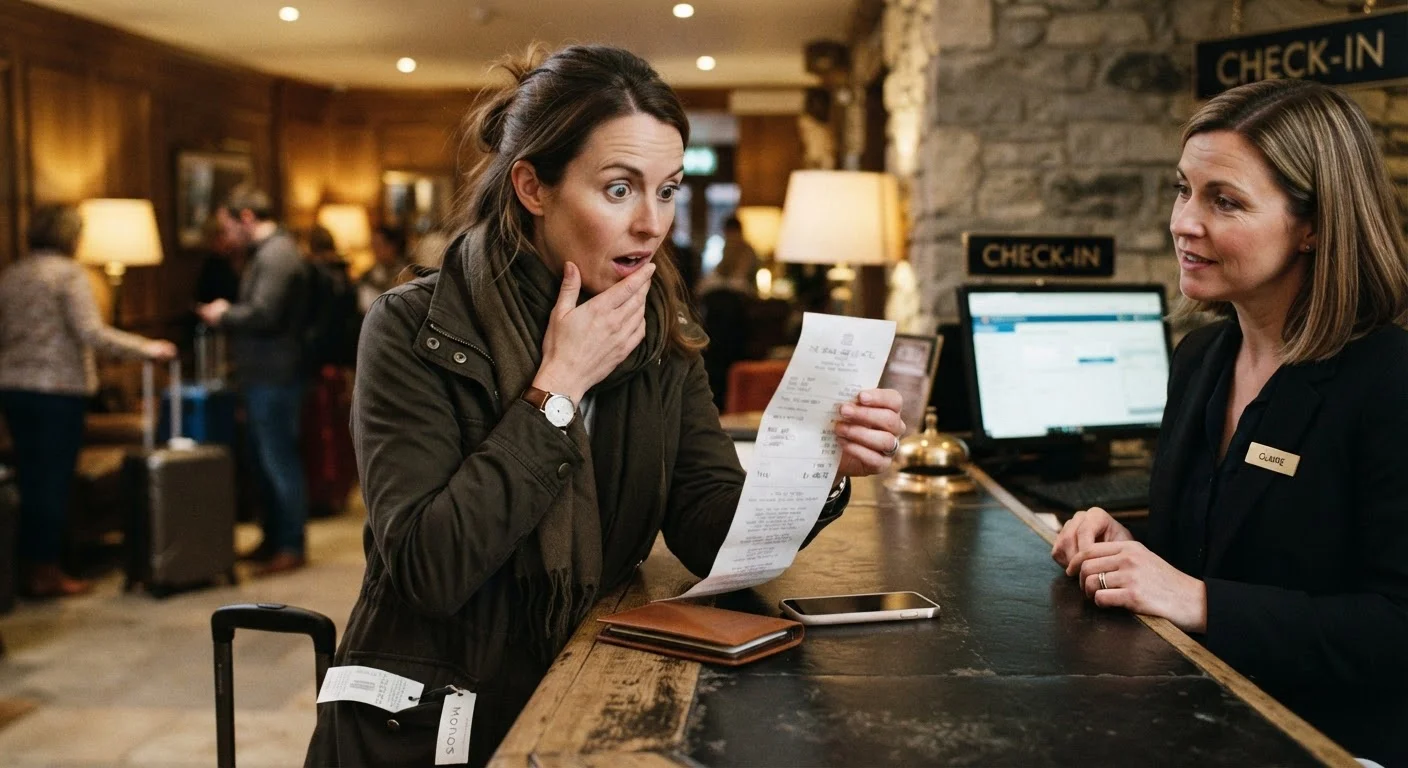
Photo credit: Wiseturt.com | Blogs Curated For You
In this article
Resort fees, baggage charges, airport transfers, and more—a closer look at the expenses travelers routinely underestimate when planning a trip.
Key Takeaways
- Resort fees, airline add-ons, and airport transfers routinely add hundreds of dollars to trip costs.
- Reading the fine print before booking is the single most effective way to avoid surprise charges.
- Building a 10-15% buffer into your travel budget helps absorb unavoidable hidden expenses.
- Credit card foreign transaction fees and dynamic currency conversion can quietly inflate spending abroad.
- Travel insurance costs and tipping norms in destinations are often left out of initial trip budgets.
The Gap Between Quoted Price and Real Cost
You found a flight for $189. The hotel looks reasonable. Rental car rates seem manageable. Then you actually take the trip - and come home wondering where an extra $400 went. This scenario plays out constantly for US travelers, and it's rarely the result of reckless spending. It's the result of costs that weren't visible at the time of booking.
Hidden travel costs aren't always deliberately concealed - some are just tucked into terms and conditions, disclosed only at checkout, or simply not on most travelers' radar during the planning phase. Understanding what these expenses look like, and when they typically appear, is the first step toward building a budget that reflects reality. For a deeper look at how misleading pricing shapes travel decisions, see common myths about cheap travel.
Below are the charges that most consistently catch travelers off guard - and what you can do about each one.
Resort and Destination Fees
Hotels - particularly in Las Vegas, Miami, and other resort-heavy markets - routinely charge mandatory daily "resort fees" that can range from $25 to over $50 per night. These fees often cover amenities like pool access, Wi-Fi, or gym use, whether or not you use them. Because they're disclosed separately from the room rate, they don't show up in most search results until you're deep into the booking process. Always look for a "taxes and fees" line before confirming any hotel reservation.
Resort fees of $25-$50 per night can add hundreds of dollars to a hotel stay.
Airline Baggage and Seat Selection Fees
Most US carriers now charge separately for checked bags, with fees typically ranging from $30 to $40 per bag each way - meaning a round trip for two with one checked bag each can add $120 or more before you board. Seat selection fees layer on top of that, especially if you want an aisle seat or want to sit next to your travel companion. Reading an airline's full fee schedule before booking often reveals whether a slightly higher base fare on a full-service carrier is actually the more economical option.
Baggage and seat fees can add over $120 to a round-trip fare before you ever board.
Airport Transfers and Parking
Getting to and from the airport is a cost travelers frequently forget to budget. Ride-share surge pricing around peak travel times, off-site parking fees that accumulate over a week-long trip, or airport shuttle bookings all add up. A week of airport parking can cost $70-$150 or more depending on the city. Researching your options - public transit, pre-booked shuttles, or having someone drop you off - before travel day prevents last-minute sticker shock.
A week of airport parking alone can cost $70 to $150 depending on the city.
Foreign Transaction and Currency Conversion Fees
Travelers using a standard US credit or debit card abroad often face foreign transaction fees of 1-3% on every purchase. Dynamic currency conversion - when a foreign merchant offers to charge your card in US dollars instead of local currency - sounds helpful but typically applies an unfavorable exchange rate that costs you more. Declining dynamic currency conversion and using a no-foreign-transaction-fee card (many travel-oriented cards offer this) are straightforward ways to reduce this particular drain. General guidance on managing money across categories is available through the Budget & Savings hub.
Declining dynamic currency conversion at the point of sale is a simple way to avoid inflated costs.
Travel Insurance and Medical Coverage Gaps
Many travelers either skip travel insurance entirely or assume their existing health insurance covers them abroad - often neither is a safe assumption. Standard US health plans frequently provide limited or no coverage internationally, and emergency evacuation costs can reach into the tens of thousands of dollars. Travel insurance policies vary widely in what they cover, including trip cancellation, delays, and medical emergencies. For a grounded overview of how coverage decisions work, the Insurance Basics hub offers useful context. Always review policy details carefully before purchasing.
Emergency evacuation abroad can cost tens of thousands - standard US health plans often don't cover it.
Tipping Norms in Unfamiliar Destinations
Tipping practices vary significantly by destination and service type, and travelers who don't account for gratuities routinely underestimate daily spending. In the US, tipping expectations at restaurants, hotels, and for tour guides are well-established - but even domestic travelers sometimes overlook tipping bellhops, housekeeping, and drivers. Internationally, norms range from expected and generous (some Caribbean destinations) to culturally unusual (parts of Japan and East Asia). Researching tipping customs for your specific destination is a small planning step that prevents awkward underspending and budget surprises alike.
Tipping customs vary dramatically by destination and are routinely left out of initial travel budgets.
Build for the Real Price, Not the Listed One
Every category above shares a common thread: the initial price you see is rarely the price you pay. Across airlines, hotels, rental agencies, and destination spending, the gap between the advertised rate and the actual total can easily reach 20-30% of your original estimate.
Try the "All-In" Pricing Exercise
Before finalizing any booking, open a simple spreadsheet and list every cost you can identify: base fare or room rate, taxes, fees, baggage, transfers, insurance, and a daily gratuity estimate. Then add 10-15% as a buffer. This "all-in" total is your real trip cost - and comparing it across options often reshuffles which deal looks best. It's the same principle that applies to understanding the real cost of a deal in any spending context.
The good news is that awareness itself is protective. Travelers who anticipate these charges - and build a 10-15% buffer into their budgets - report far fewer financial surprises. Building a travel budget that actually holds walks through a practical framework for doing exactly that. And if you're curious how this pattern shows up in other spending contexts, household budget leaks follow a strikingly similar logic.
The goal isn't to eliminate every surprise - travel rarely works that way. The goal is to make sure the surprises don't derail you.

Author
Travel & Tours Editorial Team
Travel & Tours Editorial Team is the collective byline for our editorial team and contributor network. Articles published under this byline or an editorial pen name are researched, written, and reviewed according to our editorial standards for clarity, consistency, and independence before publication.
View all articles →