
Things That Catch US Travelers Off Guard in Southeast Asia
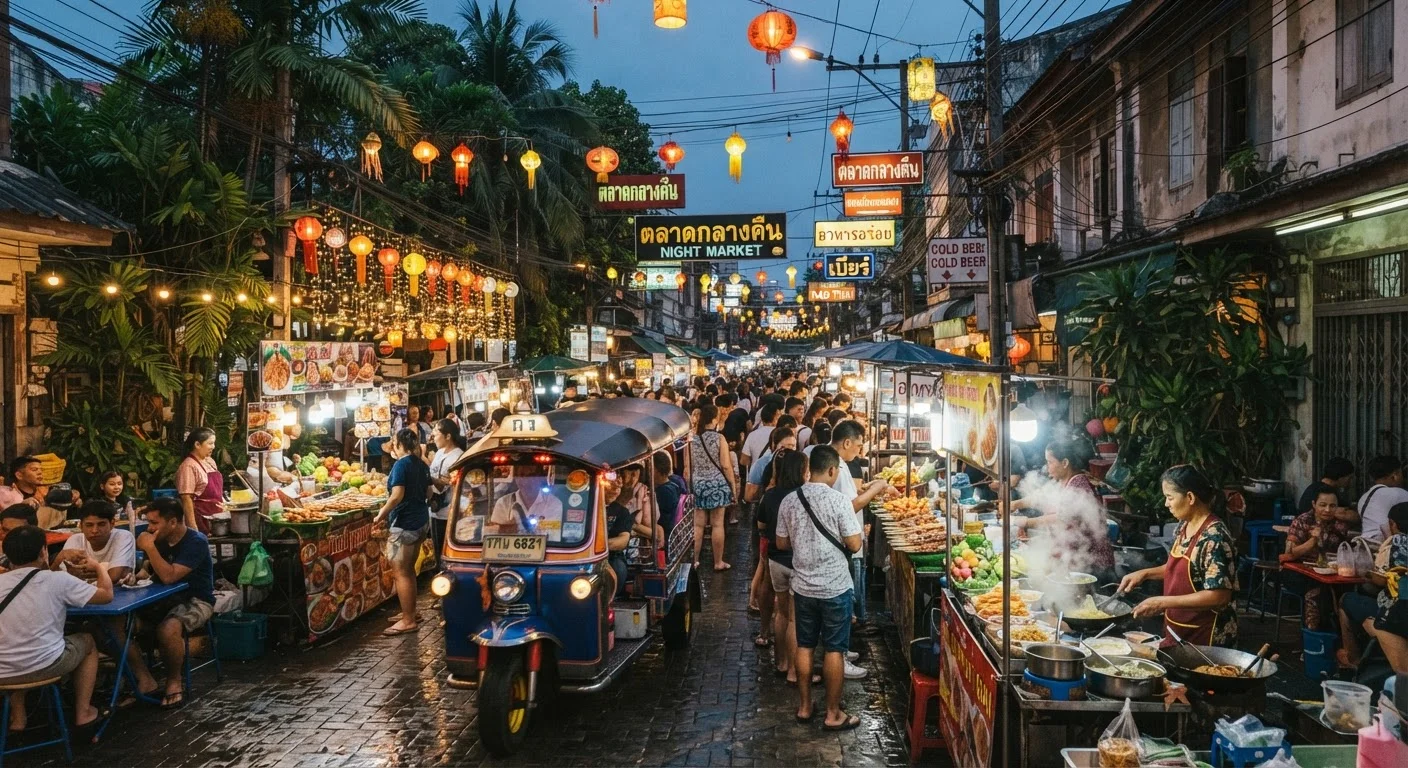
Photo credit: Wiseturt.com | Blogs Curated For You
In this article
From tipping norms to transportation realities, these are the practical surprises that often derail first trips to Southeast Asia.
Key Takeaways
- Tipping customs in Southeast Asia differ significantly from US norms and vary by country.
- Transportation between cities often takes far longer than maps suggest.
- Visa requirements and entry rules differ by country and change - always verify before departure.
- Cash is still king in many areas; ATM fees and card acceptance are inconsistent.
- Dress codes at temples and cultural sites are strictly enforced at many locations.
Why Southeast Asia Surprises Even Experienced Travelers
Southeast Asia ranks among the world's most rewarding travel destinations - and also among the most humbling for first-timers. The region spans eleven countries with distinct languages, currencies, infrastructure levels, and cultural norms. Many US travelers arrive expecting something like a streamlined international vacation and find instead a fascinating, fast-moving puzzle that rewards flexibility and punishes rigid planning.
The surprises aren't unpleasant - they're just different. Knowing what to expect before you land can mean the difference between a trip that flows and one that constantly stalls. Below are the most common mistakes travelers make, why they happen, and how to sidestep them with a little advance thinking. For broader planning pitfalls, see why travel itineraries fall apart - many of the same patterns apply here.
Assuming tipping works the same as in the US.
Why it happens: US travelers are conditioned to tip 15-20% almost automatically. In parts of Southeast Asia, tipping is not customary at local establishments, and in some contexts can even feel awkward.
Underestimating travel time between destinations.
Why it happens: Distances on a map look manageable, but road conditions, border crossings, ferry schedules, and traffic in major cities can turn a 200-mile journey into an all-day endeavor.
Not verifying visa requirements for each country in advance.
Why it happens: US travelers often assume that because one Southeast Asian country offers visa-on-arrival or visa-free entry, the same applies across the region. It doesn't.
Relying on credit or debit cards without preparing for cash-dominant areas.
Why it happens: Card acceptance has improved in cities, but rural guesthouses, local markets, and smaller eateries frequently deal in cash only. International ATM fees can also add up quickly.
Ignoring dress codes at temples and sacred sites.
Why it happens: Travelers packing for a warm-weather trip prioritize lightweight clothing and may not think through religious site requirements until they arrive at an entrance gate.
Booking a packed itinerary that leaves no room for the unexpected.
Why it happens: Southeast Asia has so much to see that travelers try to cram in as many destinations as possible - especially on a first trip.
On the Ground: Culture, Etiquette, and Staying Informed
Beyond logistics, cultural awareness shapes how welcomed and comfortable you'll feel throughout your trip. Temples, markets, and local communities each carry their own unwritten codes of conduct - and violations, even unintentional ones, can cause real friction or offense.
11
Countries in Southeast Asia, each with distinct entry rules
The region includes Brunei, Cambodia, Indonesia, Laos, Malaysia, Myanmar, Philippines, Singapore, Thailand, Timor-Leste, and Vietnam - each with its own visa and customs framework.
~700M
Population across Southeast Asia
The region's enormous population diversity means cultural norms, languages, and etiquette vary dramatically even within short distances.
Dress requirements at religious sites are perhaps the most consistently enforced: covered shoulders and knees are expected at Buddhist temples across Thailand, Cambodia, Laos, and beyond. Many sites provide sarongs at the entrance, but bringing your own lightweight cover-up saves time and avoids relying on availability. Cultural sensitivity on guided tours is a topic worth reading before booking organized experiences - what applies independently applies doubly when you're part of a group.
Adventure activities are another area where travelers often skip important due diligence. From motorbike rentals to boat tours, operators vary widely in safety standards. What travelers aren't told about adventure activity risk is essential reading before signing up for anything physically demanding. And if you've already locked in tours, understanding why travelers regret their tour bookings can help you vet what's already on the calendar.
Motorbike Rentals Carry Real Risk
Renting a motorbike is a popular way to explore in countries like Vietnam and Thailand, but US travelers may not be covered by their travel insurance for motorbike accidents, particularly if they don't hold the appropriate license class. Before renting, confirm your insurance coverage, verify local licensing requirements, and honestly assess your riding experience. This is one area where overconfidence can have serious consequences.
This article is for general informational purposes only. Entry requirements, visa rules, health advisories, and local regulations change frequently - always verify current conditions with official government sources and your country's embassy or consulate before traveling.

Author
Travel & Tours Editorial Team
Travel & Tours Editorial Team is the collective byline for our editorial team and contributor network. Articles published under this byline or an editorial pen name are researched, written, and reviewed according to our editorial standards for clarity, consistency, and independence before publication.
View all articles →