
Negotiating a Car Price Without the Anxiety
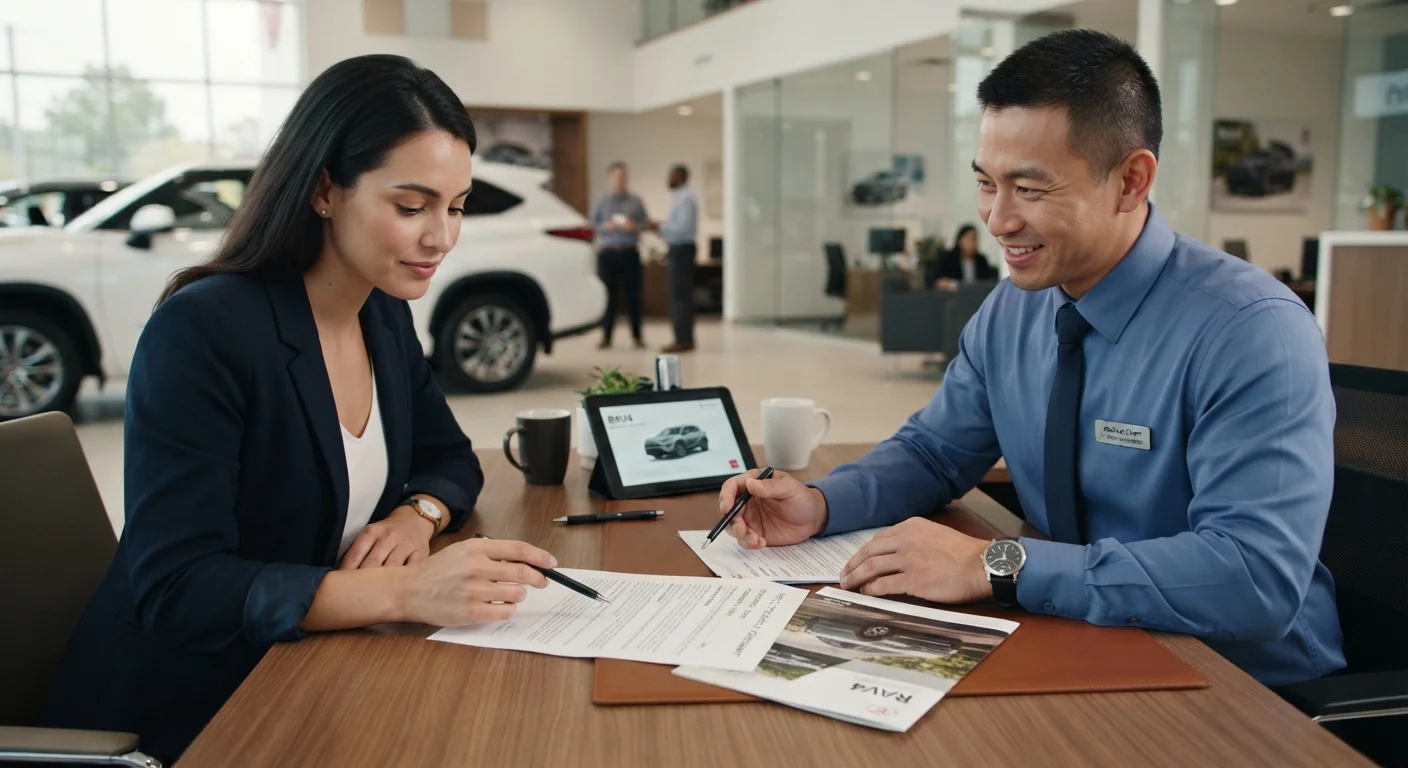
Photo credit: Wiseturt.com | Blogs Curated For You
In this article
A calm, practical approach to discussing price at a dealership — what's typically negotiable, what isn't, and how to stay grounded.
Key Takeaways
- The sticker price (MSRP) is usually a starting point, not a fixed number.
- Knowing the invoice price and market value before you arrive gives you real leverage.
- Keep the monthly payment conversation separate from the total purchase price.
- Fees, add-ons, and trade-in value are all individual negotiating points.
- Walking away is a legitimate and often effective negotiating move.
What's actually negotiable at a dealership
Most buyers assume the sticker price is fixed. It usually isn't. The MSRP (Manufacturer's Suggested Retail Price - the price printed on the window sticker) is, as the name says, a suggestion. Actual transaction prices depend on vehicle demand, inventory levels, and how long a car has sat on the lot.
Generally negotiable items include:
- The vehicle sale price
- Trade-in value
- Dealer-added accessories and protection packages
- Dealer fees (documentation fees vary by state and dealer)
- Financing rate, when dealer financing is being used
Items that are typically not negotiable include government-set taxes and title fees, and manufacturer destination charges. These are fixed costs that appear on every deal.
For a broader look at the full purchase journey, see our car-buying process overview.
Vehicle pricing tool (e.g., Edmunds, Kelley Blue Book)
Look up the invoice price, MSRP, and real-world transaction prices for your specific make, model, trim, and options.
Pre-approval letter from a bank or credit union
Gives you an independent financing benchmark so you can evaluate any dealer financing offer objectively.
Printed or saved price quotes from multiple dealerships
Competing quotes give you documented evidence of what the market is offering, which strengthens your position.
How to prepare before you walk in
Preparation is the single most effective thing you can do to reduce negotiation anxiety. When you know what a vehicle is worth - not just what the dealer is asking - you have a factual basis for every number you offer or counter.
What you will need
If you're comparing this approach to buying from a private seller, the dynamics differ significantly. Our article on buying from a private seller vs. a dealership walks through those differences.
Pre-approval changes the dynamic
Arriving with a pre-approval from your bank or credit union means you already know the interest rate you qualify for. If the dealer offers financing, you can compare it directly to your pre-approved rate. This prevents the financing conversation from becoming a separate source of pressure during an already dense negotiation.
Step-by-step: how the conversation goes
The steps below give you a clear sequence to follow from the moment pricing comes up. Each step addresses a specific part of the negotiation and keeps you in control of what's being discussed - and when.
Anchor to the out-the-door price, not the monthly payment
Before any numbers are discussed, tell the salesperson you want to negotiate the total out-the-door price - that is, the vehicle price plus all taxes, title, and fees - not the monthly payment. Dealers can stretch loan terms to make a high price look affordable per month while you pay significantly more overall. Once you have an agreed purchase price, you can separately evaluate financing.
Make the first offer below your target
Start slightly below what you are actually willing to pay. This gives you room to move without exceeding your limit. Base your opening offer on the invoice price or documented market transaction prices - not the MSRP sticker. State your offer clearly and confidently, then stop talking. Silence is normal; you don't need to fill it.
Negotiate the trade-in separately
If you have a vehicle to trade, keep that discussion completely separate from the purchase price negotiation. Bundling them allows the dealer to adjust one number to offset the other, making it harder to know whether you're getting a fair deal on either. Agree on the new car price first, then introduce the trade-in.
Evaluate dealer add-ons individually
Dealers commonly present a menu of add-ons in the finance office - extended warranties, paint protection, tire-and-wheel coverage, and others. Each one is separately priced and separately negotiable. Ask what each item covers, whether it duplicates your manufacturer warranty, and what the cost would be to purchase it later. You are never required to accept any add-on as a condition of purchase (with rare exceptions for required dealer-installed items).
Know when and how to walk away
If the dealership won't come to a number you're comfortable with, you can simply say: "I appreciate your time - I need to think this over." Then leave. This is not a bluff or a tactic - it's a genuine option. Dealers know that a customer who leaves may not return, which sometimes prompts a follow-up call with a better offer. In other cases, a different dealership will meet your number.
Monthly payment framing can obscure the real cost
A common dealership practice is to focus the conversation on what you'll pay per month rather than the total price. Extending a loan from 48 to 72 months can lower the monthly payment while adding thousands of dollars in interest over the life of the loan. Always confirm the total amount financed, the interest rate, and the loan term - not just the monthly figure.
After the price is agreed: what to check before signing
Agreeing on a vehicle price is not the finish line. The finance office is where deals can shift in subtle ways - through add-ons, adjusted fee totals, or financing terms that weren't fully discussed on the floor. Before you sign anything, review every line item on the contract.
Our pre-signing checklist covers exactly what to look for, including how to spot fees that weren't part of the agreed price.
Understand the terms before you sit down
Words like invoice price, dealer reserve, and APR come up fast in these conversations. If you want a plain-language reference before your visit, our car deal glossary covers every term you're likely to hear. Going in with the vocabulary makes it easier to follow what's happening in real time.
For broader deal-evaluation skills that apply beyond car buying, deal hunting for beginners is a useful companion read.

Author
Auto Editorial Team
Auto Editorial Team is the collective byline for our editorial team and contributor network. Articles published under this byline or an editorial pen name are researched, written, and reviewed according to our editorial standards for clarity, consistency, and independence before publication.
View all articles →