
The Car-Buying Process, Start to Finish
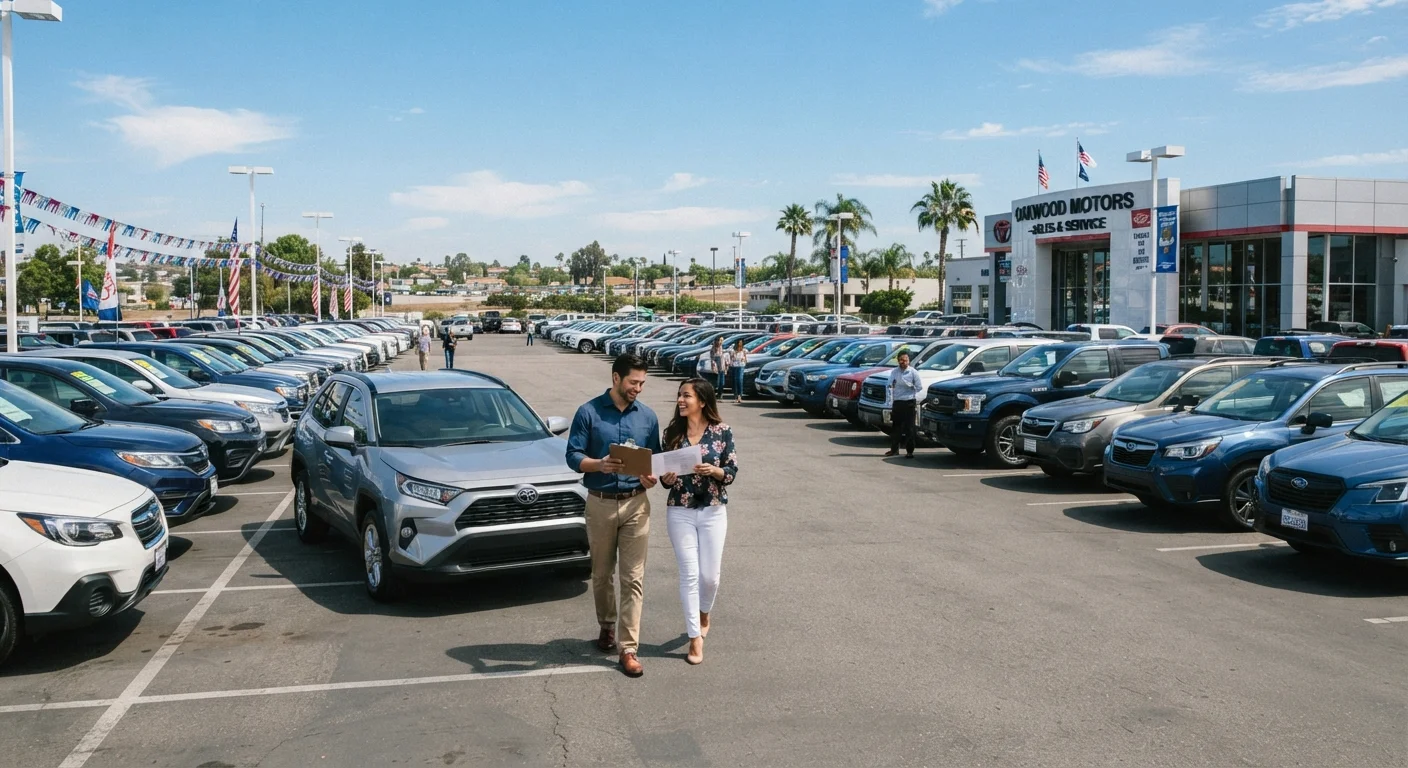
Photo credit: Wiseturt.com | Blogs Curated For You
In this article
A clear walkthrough of every stage in buying a car — from research and test drives to signing the paperwork.
Key Takeaways
- Clarifying your needs and setting a realistic budget before shopping saves significant time and money.
- Getting pre-approved for financing gives you leverage and a clear spending limit at the dealership.
- A thorough test drive and independent vehicle inspection protect you from costly surprises.
- Negotiating the vehicle price separately from monthly payments leads to a clearer deal.
- Reading every line of the purchase agreement before signing is non-negotiable.
Start With Your Needs and Budget
Before you set foot in a dealership or browse a single listing, spend time answering two questions honestly: What do I actually need this car to do? and What can I realistically afford?
Think about your daily commute, how many people typically ride with you, whether you need cargo space or towing capacity, and what driving conditions you face. If you're unsure which vehicle category fits your lifestyle, our guide on matching vehicle types to real needs is a useful starting point.
For budget, consider the total cost of ownership - not just the sticker price. Factor in insurance, estimated fuel costs, registration fees, and routine maintenance. A general rule: keep total monthly transportation costs (loan payment plus insurance) below 15-20% of your take-home pay. This is a general guideline, not a personalized recommendation - your situation may differ.
MSRP
Manufacturer's Suggested Retail Price - the price the automaker recommends the dealer charge. It's a starting point for negotiation, not a fixed price.
Invoice Price
The amount the dealer paid the manufacturer for the vehicle. Knowing this gives you a realistic floor for price negotiations.
APR
Annual Percentage Rate - the yearly cost of borrowing, including interest and lender fees. A more complete measure of loan cost than the interest rate alone.
Pre-approval
A lender's conditional commitment to loan you a specific amount at a specific rate, based on a credit check. Having one before you shop gives you a clear spending limit.
VIN
Vehicle Identification Number - a unique 17-character code assigned to every vehicle. Used to pull vehicle history reports and verify a car's identity.
Gap Insurance
Optional coverage that pays the difference between what you owe on a car loan and what your insurer pays if the vehicle is totaled or stolen. Most relevant when you finance a large portion of the vehicle's value.
Research Vehicles and Pricing
Once you know what you need, narrow down to two or three candidate vehicles. Look up owner reviews, reliability data from consumer organizations, and safety ratings from the National Highway Traffic Safety Administration (NHTSA) and the Insurance Institute for Highway Safety (IIHS) - both publish free, searchable databases.
On pricing, look up the invoice price (what the dealer paid the manufacturer) alongside MSRP. Tools that aggregate real transaction prices in your area can show what similar buyers actually paid, which is more useful than sticker price alone. Our pre-purchase research checklist covers a structured approach to evaluating any major purchase.
If you're buying used, pull a vehicle history report using the car's VIN (Vehicle Identification Number). This reveals reported accidents, title problems, and odometer history. It's a small cost that can prevent a large mistake.
Get Quotes From Multiple Sources
Don't rely on a single dealership's price. Contact several dealers by email or phone and ask for their out-the-door price on the same vehicle trim. Having competing figures in hand is one of the most effective ways to move a negotiation in your favor.
Secure Financing Before You Shop
Many buyers make the mistake of walking into a dealership without knowing their financing options. Dealers can arrange loans, but they earn a fee when they do - which can mean a higher interest rate than you'd find on your own.
Contact your bank or a credit union first and get pre-approved for an auto loan. This gives you a rate and a maximum loan amount to use as a benchmark. If the dealer offers better terms, you can take them - but you'll have leverage either way.
Understand the difference between the interest rate and the APR (Annual Percentage Rate). APR includes lender fees and gives a more complete picture of the loan's cost. For plain-language definitions of these and other deal terms, see our car deal glossary.
This article provides general financial information only, not personalized financial or lending advice. Consult a qualified financial professional for guidance specific to your situation.
Test Drive and Inspect
A test drive is not a formality - it's your primary chance to assess whether a vehicle actually works for you. Drive on the roads you use daily: highway if you commute long distances, tight streets if you're in a city. Test parking, visibility, seat comfort over at least 20-30 minutes, and how controls fall to hand.
For used vehicles, pay attention to any unusual sounds, pulls in the steering, warning lights, or rough shifting. Ask to see maintenance records. Then - and this step is worth emphasizing - have an independent mechanic inspect the vehicle before you commit. Most mechanics offer pre-purchase inspections for a reasonable fee. Skipping this step is one of the most common and costly mistakes used-car buyers make.
Don't Skip the Independent Inspection
A pre-purchase inspection by a mechanic of your choosing - not one affiliated with the seller - can reveal hidden mechanical or safety issues that aren't apparent during a test drive. Even vehicles sold 'as-is' can be inspected before you commit. Factor the inspection fee into your decision-making, not as an afterthought.
Negotiate and Review the Deal
Negotiation goes more smoothly when you separate the variables. Discuss the vehicle price first, then trade-in value, then financing. Dealers sometimes bundle these together to obscure the true cost of each element - keeping them separate keeps the math transparent.
Get any agreed price in writing before moving to the finance office. In the finance office, you'll be offered add-ons: extended warranties, paint protection, gap insurance, and so on. Each of these is optional unless you want it. Take time to evaluate them - don't feel pressured to decide on the spot.
Our article on what to verify before signing walks through the specific line items to scrutinize in the contract.
Sign the Paperwork and Drive Away
The purchase agreement is a legal contract. Read every page - not just the highlighted lines. Confirm the vehicle price, interest rate, loan term, total amount financed, and monthly payment all match what you negotiated verbally. Check that no extra products or fees have been added without your knowledge.
Before leaving the lot, verify you receive the title (or understand the timeline for receiving it), registration documents, and any warranty paperwork. Make sure your insurance is active and covers the new vehicle before you drive it off the lot - most insurers allow you to add a vehicle by phone or app.
The car-buying process involves real money and a multi-year commitment. Taking it step by step - research, financing, inspection, negotiation, paperwork - means you're far less likely to feel rushed into a decision you later regret. The process shares some structural similarities with other large purchases; if you're also navigating homeownership, our overview of the first home purchase process covers that journey in comparable detail.
Your Insurance Must Be Active at Pickup
Most states require proof of insurance before you can legally drive a vehicle off a lot. Contact your insurer before finalizing the sale to add the new vehicle to your policy. Coverage doesn't transfer automatically from an old car, so confirm the details with your insurance provider directly.
Frequently Asked Questions

Author
Auto Editorial Team
Auto Editorial Team is the collective byline for our editorial team and contributor network. Articles published under this byline or an editorial pen name are researched, written, and reviewed according to our editorial standards for clarity, consistency, and independence before publication.
View all articles →